Hit enter to search or ESC to close
27 November 2025
If you’ve ever paused to wonder how patients with respiratory issues get portable oxygen support outside the hospital, chances are you’re touching on the world of the 3l oxygen concentrator. This device, capable of filtering ambient air to deliver up to three liters of concentrated oxygen per minute, plays a surprisingly critical role, especially in regions where hospital access is limited or during crises like pandemics or natural disasters.
Globally, chronic respiratory diseases affect approximately 1 billion people according to the World Health Organization (WHO), and oxygen therapy is a vital lifeline for many of them. That’s just to set the stage — understanding how oxygen concentrators work, their benefits, and where their growth is headed tells a bigger story of innovation intersecting with urgent healthcare needs.
Let’s zoom out for a moment: The United Nations reported that aging populations and increasing air pollution contribute significantly to respiratory illnesses worldwide. It’s no surprise then that demand for devices like the 3l oxygen concentrator has surged by over 20% in the last five years, especially in emerging markets.
Take the COVID-19 pandemic as a stark reminder — halfway through 2020, health systems everywhere were scrambling to secure reliable oxygen delivery systems, highlighting gaps in infrastructure and device availability. What this device addresses is clear: reliable, energy-efficient, and cost-effective solutions that can work off limited power sources and in rural or resource-scarce environments.
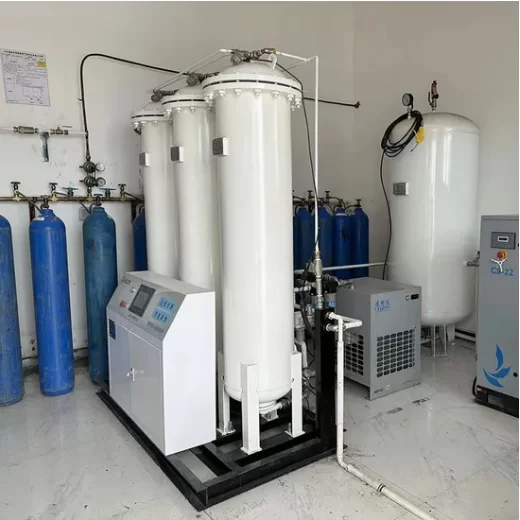
Simply put, a 3l oxygen concentrator is a medical device designed to continuously purify oxygen from ambient air, delivering it at a flow rate of up to three liters per minute to patients who need supplemental oxygen. Unlike oxygen tanks that store compressed gas, concentrators pull in air, filter out nitrogen using molecular sieve technology, and deliver higher concentrations of oxygen — usually between 85% and 95% pure.
It’s this ability to “make oxygen out of thin air” that makes the device invaluable for home use, clinics, and even mobile healthcare setups. In humanitarian sectors, its portability and no-dependency on heavy cylinders make it a game-changer for post-disaster care or disease outbreak response.
All told, it’s a neat marriage of engineering and medical needs that continuously improves thanks to advances in materials science and microelectronics.
This device finds its way into a surprising array of situations. Here are some broad brush strokes:
For instance, NGOs operating in the mountainous regions of Nepal have reported that having reliable oxygen concentrators enabled safer patient transport and local care, a critical step when every breath counts.
| Feature | Specification |
|---|---|
| Oxygen Output (Flow Rate) | 0.5 - 3 Liters per minute |
| Oxygen Concentration | 85% - 95% (adjusted for flow rate) |
| Power Supply | AC 110/220V, DC 12V (varies by model) |
| Noise Level | ≤ 45 dB |
| Weight | ~10 - 12 kg |
| Dimensions | Approx. 330mm x 220mm x 420mm |
| Additional Features | Alarms for power failure, low oxygen concentration, filter replacement |
| Vendor | Price Range (USD) | Warranty | Portability | Additional Services |
|---|---|---|---|---|
| OxyLife Medical | $700 - $900 | 2 years | Medium (10 kg) | 24/7 Support, Replacement Filters Included |
| HealAir Tech | $650 - $850 | 1.5 years | Lightweight (9.5 kg) | Free Delivery, Online Tutorials |
| PureAir Global | $750 - $1000 | 3 years | Medium (11 kg) | Extended Warranty Options, Local Support Centers |
So, why lean on a device that provides just 3 liters per minute? Because roughly this output covers most patients needing moderate oxygen therapy without risking oxygen toxicity. The device’s benefits stack up quickly:
I find that the emotional angle here is what often resonates most — oxygen therapy is life-affirming. It’s not just a treatment; it’s breath, literally. And having a dependable 3l oxygen concentrator translates into freedom for many—a genuine gift.
Honestly, the field is buzzing right now.
All these advances are shaping a future where oxygen therapy is not just a hospital service but a truly integrated, patient-centered care approach. It feels like we’re getting close to devices that almost “disappear” into daily life...
Of course, no device is without its quirks. Some common challenges include:
Experts recommend paired solutions such as solar battery banks, local training programs on maintenance, and vendor certification schemes to keep devices in top shape over years of use.
In real terms, these devices have quietly become essential for anyone needing oxygen therapy outside the hospital environment. They blend innovation with practical healthcare needs, supporting not only treatment but enhancing quality of life. Their growing global adoption reflects a healthcare shift towards more patient-centric, accessible solutions—long overdue, if you ask me.
If you want to explore the best options for yourself or your facility, check out 3l oxygen concentrator offerings for reliable choices, specs, and support.