Hit enter to search or ESC to close
27 November 2025
If you’ve ever had to manage oxygen therapy — whether as a patient, caregiver, or healthcare professional — you know how crucial reliable oxygen delivery is. The oxygen concentrator 3L model, a mid-range oxygen concentrator providing approximately three liters per minute (LPM) of oxygen, is quietly making waves in both medical and humanitarian settings worldwide.
This niche device, despite sounding technical, matters globally: it strikes a balance between portability and sufficient oxygen output, helping millions breathe easier — literally. Understanding its design, applications, and evolving technology helps stakeholders worldwide make better health decisions, especially where oxygen access is critical but infrastructure isn’t always advanced.
According to the World Health Organization (WHO), over 2.7 million people die annually from conditions exacerbated by hypoxemia (low blood oxygen). The COVID-19 pandemic threw the spotlight on medical oxygen shortages, particularly in developing regions. Suddenly, a device that could deliver continuous oxygen — without bottled tanks, complex refills, or logistical nightmares — became indispensable. This is where the oxygen concentrator 3l truly shines.
Per UN data, over 40% of healthcare facilities in low-income countries lack reliable oxygen sources, so portable concentrators that deliver up to 3 liters per minute fill a vital gap. They’re small enough to use at home, yet powerful enough for moderate respiratory support in both clinical and community settings, including emergency relief and disaster zones.
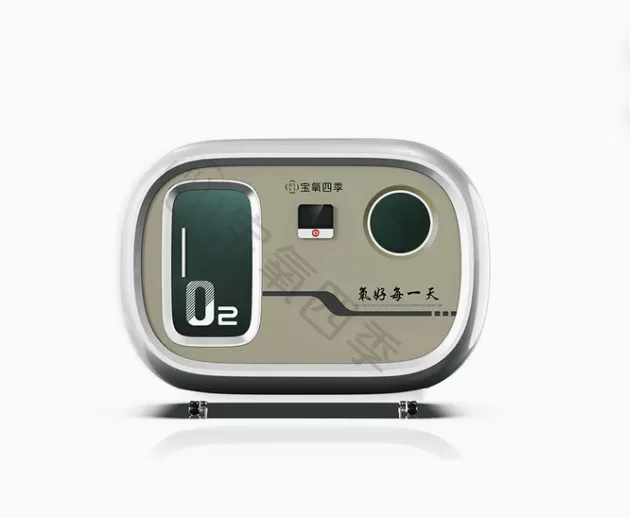
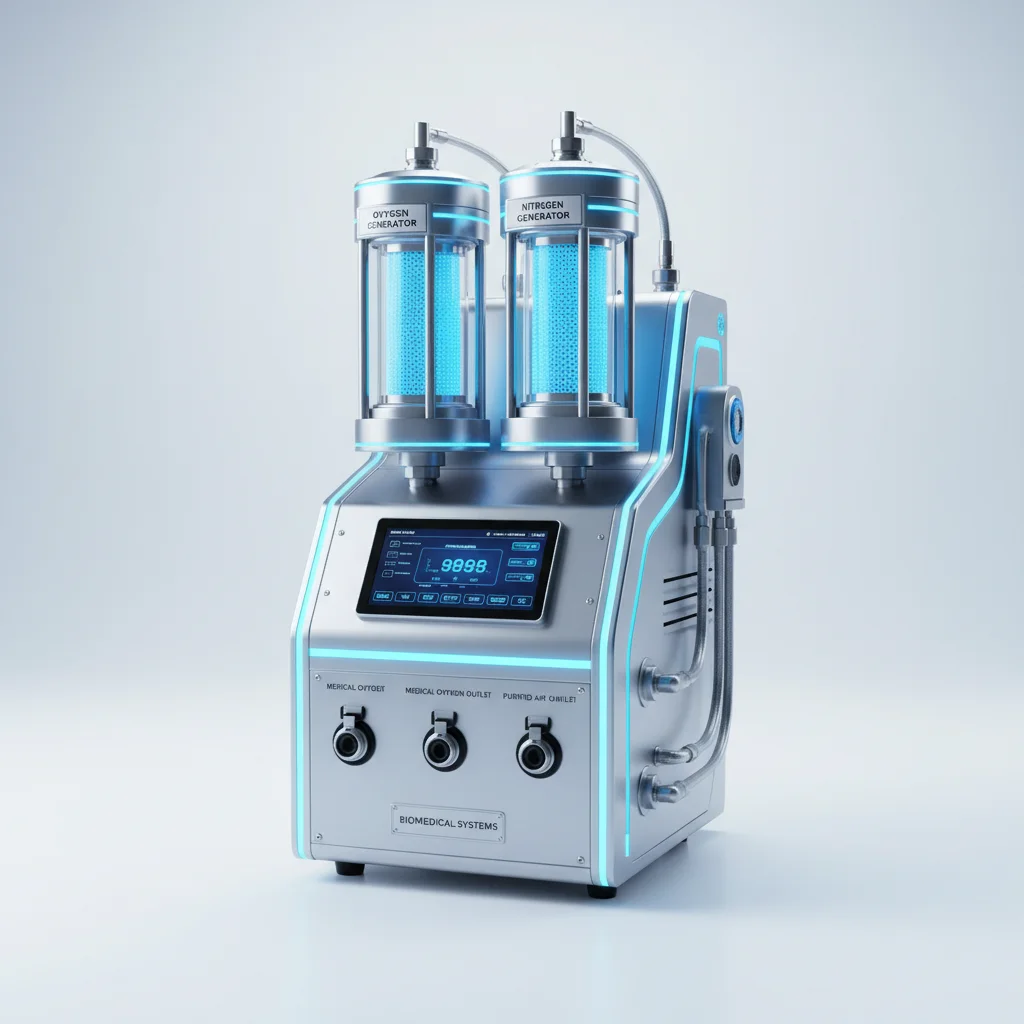
Put simply, an oxygen concentrator 3L is a medical device designed to extract and concentrate oxygen from ambient air, delivering it at a flow rate around three liters per minute. Unlike oxygen tanks, it pulls in surrounding air, filters out nitrogen, and supplies nearly pure oxygen to the patient continuously.
This makes it especially valuable in areas without a steady gas supply or where refilling tanks is difficult or costly. Thanks to advances in sieve technology and compact compressors, the 3L variants are considered powerful yet manageable for home health or on-the-go use.
The hallmark is the 3-liter per minute flow, which suits moderate respiratory support like chronic obstructive pulmonary disease (COPD) or post-surgical recovery. Oxygen purity usually remains around 90-95%, balancing effectiveness and safety.
Many 3L units are lightweight, often under 10 kilograms, with optional battery packs for mobile use. This dual-power connectivity caters especially to remote or off-grid applications.
A device used in emergency interventions can’t crank out unbearable noise nor break down easily. Manufacturers increasingly focus on rugged casings and quieter compressor tech. Oddly enough, even 3L concentrators sometimes serve long-term patients, so reliability matters a lot.
Basic LCD displays and alarms for low oxygen purity or power failures add reassurance. Easy-to-use controls identify a design focus on both clinical and home users, reducing training barriers.
| Feature | Specification |
|---|---|
| Oxygen Flow Rate | 3 liters per minute |
| Oxygen Purity | 90-95% |
| Weight | 8 to 10 kg |
| Dimensions | Approx. 35 x 18 x 24 cm |
| Power Source | AC outlet, Optional Battery |
| Noise Level | 40-50 dB |
The versatility of these devices brings them to many fronts globally:
One inspiring case: during the COVID-19 crisis in India, community health workers equipped themselves with 3L oxygen concentrators sourced from smaller suppliers, delivering care beyond hospital walls.
Beyond pure medical utility, the oxygen concentrator 3l offers several key advantages:
| Vendor | Price Range (USD) | Warranty | Battery Option | Noise Level (dB) |
|---|---|---|---|---|
| OxyLife Medical | $900 - $1,200 | 2 years | Yes | 45 |
| BreatheWell | $850 - $1,100 | 1 year | Optional | 50 |
| PureAir Tech | $1,100 - $1,400 | 3 years | Yes | 42 |
With climate change and health crises accelerating demand for smarter medical devices, 3L oxygen concentrators are evolving:
Despite their promise, oxygen concentrators face problems:
Innovations like modular parts, community repair training, and microfinance schemes are bridging some of these gaps. It’s a work in progress, but the momentum is real.
A: Absolutely, many 3L models weigh under 10 kg and come with battery packs, making them suitable for travel and transport. However, air travel requires checking airline policies about onboard oxygen device usage.
A: Typically, pre-filters should be cleaned monthly, and HEPA or sieve filters replaced every 1-2 years depending on usage and environmental conditions. Regular maintenance ensures oxygen purity and device longevity.
A: It depends on the patient’s condition. For moderate needs, 3L/min is adequate, but severe cases might require higher flow or hospital-grade equipment. Always consult healthcare professionals for oxygen therapy prescriptions.
A: Most 3L units operate in the 40-50 dB range — roughly as loud as a quiet conversation or a computer fan. Noise levels vary by model; newer devices tend to be quieter.
A: Ensure you purchase from reputable vendors who comply with medical device standards. Storeoxygen.com offers certified models with warranties, making it a trusted starting point.
The 3-liter oxygen concentrator is more than just a gadget; it’s a lifeline for many globally. Balancing portability, cost, and adequate oxygen delivery, it fits uniquely into homes, clinics, and emergency sites — bridging a vital gap in healthcare access.
With evolving tech making these devices lighter, smarter, and greener, their role will only deepen. If you want to explore our range and learn more about how an oxygen concentrator 3l can support your needs, visit Storeoxygen.com. It’s a small step to big breathes ahead.