Hit enter to search or ESC to close
27 November 2025
Oxygen — now that’s one thing none of us can live without, right? The humble 5l oxygen concentrator has quietly become a global hero, especially over the past few years. But why this particular device? And what’s so special about a 5-liter model anyway? Simply put, if you’re interested in healthcare tech, disaster relief, or remote medical access, understanding this gadget’s importance can open your eyes to how small innovations ripple out globally.
Oxygen concentrators extract and supply concentrated oxygen from ambient air, making life support easier and more accessible beyond traditional tanks. And the "5l" – that’s just the flow rate, roughly 5 liters per minute, which is perfect for many medical patients requiring supplemental oxygen.
Globally, oxygen therapy devices like this are critical in treating respiratory illnesses, especially in developing countries and remote regions where logistics for oxygen cylinders can be tricky. With the rise in chronic respiratory diseases worldwide — and the sudden shocks of pandemics like COVID-19 — 5l oxygen concentrators have never been more essential.
Mini Takeaway: The 5l oxygen concentrator symbolizes a simple, scalable solution to a massive healthcare challenge globally. It blends practicality with life-saving potential.
Let’s put this in context. According to the World Health Organization, chronic respiratory diseases affect millions worldwide. The United Nations estimates that access to medical oxygen is scarce in many low-income countries, with some facilities running dangerously low during health crises. This is where reliable oxygen sources like 5l oxygen concentrators come in.
Think of it this way: cylinders require complex supply chains, high transportation costs, and safety hazards. But a concentrator can make pure oxygen right on-site, cutting costs and logistics woes. In fact, ISO standards (ISO 80601-2-69) regulate medical oxygen concentrators to ensure consistent quality and safety. So, having a dependable 5l unit can literally be the difference between life and death in a hospital or clinic far from urban centers.
Mini Takeaway: The 5l oxygen concentrator is more than a device — it’s a lifeline for underserved populations worldwide, easing huge systemic strains.
Okay, let’s simplify. A 5l oxygen concentrator is a machine that “sucks in” ambient air, filters out nitrogen and other gases, and delivers oxygen-enriched air at roughly 5 liters per minute. This rate suits many patients needing moderate oxygen support — think chronic obstructive pulmonary disease (COPD), pneumonia, or trauma cases.
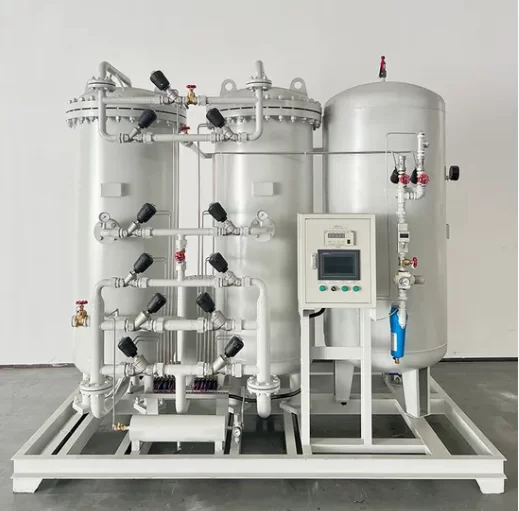
The technology has come a long way from bulky, heavy cylinders. Instead, these concentrators rely on Pressure Swing Adsorption (PSA) to separate gases. And because they run on electricity, they can work continuously — which is vital in hospitals, emergency settings, and home health care.
These units marry medical necessity with engineering efficiency, producing a steady supply of concentrated oxygen while being portable enough for transport or home use.
Mini Takeaway: A 5l oxygen concentrator is basically a smart oxygen factory in a box — filtering air to give patients the oxygen boost they need.
This is the heart of the unit — usually a PSA sieve bed packed with zeolite that adsorbs nitrogen molecules. Many engineers note the importance of high-quality sieve material for longevity and purity.
It pulls ambient air through filters and forces it into the sieve bed. The compressor needs to be efficient and quiet — especially for home use.
With power outages common in rural areas, many 5l oxygen concentrators now offer built-in rechargeable batteries or inverter compatibility. This feature is a game-changer for field hospitals or disaster zones.
Simple dials or digital screens let caregivers set flow rates, check purity, or sound alarms — sometimes smartphone-connected for remote monitoring.
Oxygen purity sensors, overload protection, and alarms ensure safe operation — crucial in medical environments where a slip-up isn’t an option.
| Specification | Typical Value |
|---|---|
| Oxygen Flow Rate | 1 to 5 liters/min |
| Oxygen Concentration | > 90% ±3% |
| Power Consumption | 300 – 400 W |
| Noise Level | |
| Dimensions (HxWxD) | 40 x 28 x 58 cm |
| Weight | ~14 kg |
| Battery Backup | Up to 2 hours (optional) |
Mini Takeaway: The magic behind 5l oxygen concentrators lies in smart engineering—balancing performance, safety, and portability.
From bustling hospitals in Nairobi to tiny clinics in rural India, 5l oxygen concentrators play a huge role. In disaster zones—like after earthquakes or floods—they become lifelines where oxygen cylinders aren’t easily replenished. Humanitarian agencies like Médecins Sans Frontières rely heavily on these units to support respiratory patients.
Industries also use them, for instance, workers exposed to hazardous dust may need oxygen supplementation on-site. Even the home healthcare market has boomed, with chronic patients preferring these over noisy cylinders.
A good example: during the COVID-19 outbreak, many countries scrambled to secure reliable 5l models to meet skyrocketing oxygen demands. This surge underlined their critical role in accessible healthcare.
Mini Takeaway: Across continents and sectors, the 5l oxygen concentrator proves to be a versatile, affordable, and life-saving tech friend.
| Vendor | Price Range | Battery Backup | Warranty | Special Features |
|---|---|---|---|---|
| OxyLife | $700 - $950 | Optional, 2 hr | 2 years | Smart app monitoring |
| AirPure Med | $650 - $900 | Included, 1.5 hr | 1 year | Low noise compressor |
| LifeO2 Pro | $750 - $1000 | Optional, 3 hr | 3 years | Built-in air purifier |
Owning a 5l oxygen concentrator is more than convenience — it’s an investment in health and peace of mind. The biggest perk? Cost savings. No longer dependent on refilling cylinders, you cut down ongoing expenses drastically.
From a sustainability standpoint, concentrators reduce the carbon footprint linked to manufacturing and transporting oxygen cylinders. Plus, users feel safer knowing they have a steady oxygen supply at hand — no waiting, no crisis.
Socially, reliable oxygen devices increase access to healthcare for vulnerable populations, restoring dignity for patients and caregivers alike. It's technology but with a heart.
Mini Takeaway: Cheaper, greener, safer — 5l oxygen concentrators perfectly balance human and environmental needs.
We’re seeing tech advances like AI-powered oxygen purity monitoring, solar-powered units for off-grid use, and ultra-lightweight designs thanks to new materials like carbon composites. Digital connectivity, enabling doctors to monitor patient oxygen remotely, is another innovation gaining ground.
Policy-wise, international health organizations are pushing for better standards and subsidies to make these devices affordable worldwide. Green energy integration means the next generation is likely to run longer with less environmental impact.
In real terms, a humble device is turning into a smart, connected, sustainable lifeline.
Not all sunshine, though. Power reliability remains a headache in many rural areas. Plus, maintenance and servicing require local expertise that sometimes isn’t available. Then there’s initial device cost and quality variations flooding some markets.
Many NGOs address these by integrating solar power kits, remote training via apps, and setting up regional maintenance hubs. Some vendors now offer pay-as-you-go models to lower upfront cost barriers.
With ongoing innovation and community-driven support, these challenges are steadily shrinking.
It’s clear that the 5l oxygen concentrator is not just a medical device, but a cornerstone for modern and accessible healthcare. It answers the global demand for reliable oxygen supply with flexibility, affordability, and growing technological finesse.
So whether you’re outfitting a clinic in a remote village, responding to emergencies, or looking for home care options, a 5l oxygen concentrator deserves serious consideration. If you want to explore more or purchase, take a peek at our selection at Store Oxygen. Because when oxygen flows, life goes on.