Hit enter to search or ESC to close
27 November 2025
If you’ve ever found yourself curious about medical equipment that quietly works behind the scenes, the 5 l oxygen concentrator is one such unsung hero. Globally, oxygen therapy plays a crucial role in treating respiratory illnesses, emergency care, and even supporting patients with chronic conditions. With the increasing need for accessible oxygen — thanks to population growth, aging demographics, and unexpected crises like pandemics — understanding what a 5 l oxygen concentrator offers couldn’t be timelier.
In simple terms, this device delivers up to 5 liters of concentrated oxygen per minute, enough to support moderate oxygen therapy needs both in clinical and home environments. It’s a remarkable balance of portability, efficiency, and affordability, fitting neatly into the health ecosystem, especially across developing countries where traditional oxygen cylinders may be scarce or cumbersome.
Mini takeaway: The 5 l oxygen concentrator is more than just a machine – it's a vital lifeline globally, bridging gaps in respiratory care with ease and reliability.
Oxygen concentrators, particularly the 5 l variants, stand at the crossroads of global health challenges and technological innovation. The World Health Organization estimates that millions worldwide lack access to medical oxygen, which sometimes turns routine care into a gamble. Emerging health crises have only underlined this scarcity — for example, COVID-19 surged the demand for reliable oxygen units exponentially.
Moreover, data from the United Nations (UN) suggests that respiratory diseases account for nearly 10% of global mortality causes. That translates into a pressing need for effective oxygen delivery systems that can be deployed rapidly and maintained easily. 5 l oxygen concentrator units, with their manageable output and durability, suit this niche perfectly — especially when infrastructure is unstable or resources thin.
Mini takeaway: The 5 l oxygen concentrator answers a real problem: connect the dots between oxygen scarcity and rising health risks.
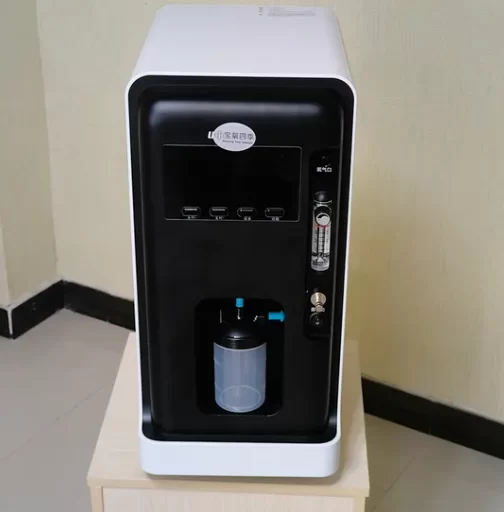
At its core, the 5 l oxygen concentrator is a medical device designed to pull ambient air, filter out nitrogen, and deliver concentrated oxygen to patients. It typically provides oxygen flow rates up to 5 liters per minute — enough to meet the needs of many patients requiring supplemental oxygen at home or in medical settings. Unlike bulky oxygen cylinders, these machines offer consistent oxygen supply without the hassle of refills or transport.
Its connection to humanitarian work and industry is especially meaningful. NGOs and disaster response teams depend on such devices in regions where oxygen tanks can’t be delivered easily. Similarly, in industrial zones with exposed workers or emergency departments, having a reliable 5 l oxygen concentrator ensures critical respiratory support on demand.
Mini takeaway: Think of it as a compact oxygen factory, bringing vital air to those who need it regardless of location.
These units generally produce oxygen purity levels between 90%-95%, which is efficient for medical purposes. Accurate flow control ensures patients receive just the right amount — a subtle but critical feature to avoid complications.
Many users expect a 5 l oxygen concentrator to withstand heat, dust, and jarring transport, especially in remote or disaster-prone areas. Robust casings and reliable compressors raise the bar here.
Given varied electricity accessibility worldwide, efficient power use is crucial. Some devices feature battery backups or can adapt to solar inputs, allowing for continuous operation when the grid fails.
While medical devices are rarely thought of for comfort features, quieter units make a big difference in patient wellbeing — especially during sleep or long-term use.
Simplicity in filter changes and minimal upkeep requirements reduce downtime and costs — a practical aspect often overlooked.
| Specification | Details |
|---|---|
| Oxygen Flow Rate | 0.5 – 5 liters per minute |
| Oxygen Purity | 90% - 95% ± 3% |
| Power Consumption | 300 - 550 Watts |
| Noise Level | ≤ 50 dB |
| Weight | 10 - 14 kg (varies) |
| Dimensions (LxWxH) | Approximately 45 x 32 x 60 cm |
Mini takeaway: When choosing a 5 l oxygen concentrator, think durability, precision, and convenience equally.
The application spectrum for these oxygen concentrators is surprisingly broad. In rural hospitals in Africa or Southeast Asia, they provide life-saving oxygen where liquid oxygen delivery is erratic or unaffordable. During the COVID-19 pandemic, many field clinics depended on them to serve patients with respiratory distress. Oddly enough, they’re also common in home-care settings across Europe and North America, granting patients the freedom to recover without hospital stays.
In industrial zones — mining, chemical plants — portable 5 l concentrators serve as a safeguard for workers exposed to overexertion or inhalation hazards. Humanitarian organizations like Médecins Sans Frontières include them in their emergency kit, signaling their flexible role from peacekeeping missions to natural disaster relief.
Mini takeaway: Whether a quiet room at home or a makeshift clinic in a storm-hit village, these concentrators prove indispensable.
Investing in a device like this promises not just medical benefit but peace of mind. Here’s why it’s worth considering:
On an emotional level, families take comfort knowing that their loved ones have a consistent oxygen supply. It’s a quiet kind of trust built into this unassuming device. Technologically, it’s a step forward in medical innovation that’s accessible and inclusive.
Mini takeaway: The 5 l oxygen concentrator is not just efficient — it embodies a blend of trust, dignity, and forward-thinking healthcare.
Looking ahead, the oxygen concentrator sector is ripe for upgrades. For instance, many companies are exploring solar-powered options so that units work independently in areas with poor electricity. Digital connectivity is also on the rise — smart monitoring systems allow remote tracking of device performance and health data.
Materials science advances mean lighter, quieter machines, making 5 l devices even more portable. Moreover, global sustainability goals (ISO standards and UN environmental initiatives) push manufacturers to adopt greener production methods, which ultimately benefits end-users.
Automation and AI could eventually tailor oxygen delivery more precisely based on a patient’s real-time needs, though that future still feels a little over the horizon.
Mini takeaway: We’re slowly witnessing a fusion of healthcare, smart tech, and sustainability that keeps the 5 l oxygen concentrator relevant and even aspirational.
Of course, these devices are not without limits. Interruptions in power supply, maintenance difficulties in remote areas, and upfront cost remain hurdles. Some older models generate noise that can disturb sensitive patients. Plus, while 5 liters per minute suits many, patients with severe respiratory failure require higher flows.
Industry leaders suggest:
I suppose the key is not to see the 5 l oxygen concentrator as a panacea but as a versatile, well-targeted solution — one piece in a complex clinical puzzle.
| Brand | Weight (kg) | Noise Level (dB) | Power Consumption (W) | Battery Backup | Price Range (USD) |
|---|---|---|---|---|---|
| OxyPure 5000 | 12.5 | 45 | 500 | Yes (2 hrs) | $1,200 - $1,400 |
| BreatheEasy 5L | 10.8 | 50 | 450 | No | $900 - $1,100 |
| AirFlow Med 5 | 13.0 | 42 | 520 | Yes (1.5 hrs) | $1,300 - $1,500 |
Looking back, it’s clear that the 5 l oxygen concentrator is not just a medical gadget but something far more impactful — a gateway to improved health outcomes worldwide. From the clinics in remote corners of Africa to families in bustling cities, it carries the promise of reliable oxygen, day in and day out. I encourage you to explore more about these devices and their different variants. If you want practical options, remember to check out the latest on 5 l oxygen concentrator.
In a world where every breath counts, this device quietly shifts the balance toward hope.
References: