Hit enter to search or ESC to close
3 December 2025
In today’s fast-evolving industrial and humanitarian landscapes, having a reliable source of nitrogen on the go can be a game-changer. The portable N2 generator is precisely that—a compact system enabling on-demand nitrogen generation wherever it’s needed most. While it might sound like niche technology, its relevance spans from crucial medical applications to food packaging and beyond. Understanding this technology isn't just for engineers; it touches industries that impact food safety, environmental sustainability, and even disaster relief worldwide.
Globally, nitrogen plays a huge role—it's roughly 78% of our atmosphere and essential in manufacturing, medical sectors, and agriculture. However, transporting nitrogen cylinders is expensive, potentially unsafe, and delays access in regions with infrastructure challenges. Portable N2 generators provide on-site nitrogen production, often at lower costs and with better reliability. According to data from the International Organization for Standardization (ISO), on-site gas generation reduces both carbon footprint and supply chain dependencies significantly.
In real terms, imagine a remote food packaging plant in Southeast Asia or a mobile clinic in sub-Saharan Africa. Instead of waiting for nitrogen deliveries that can take days (or weeks), they generate it locally, cutting costs and improving safety.
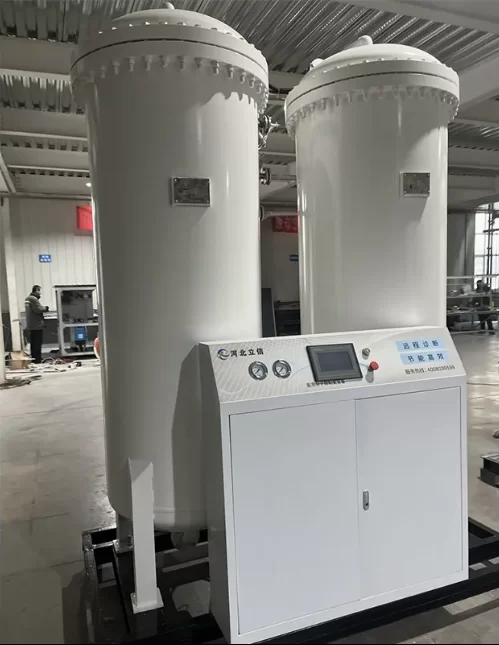
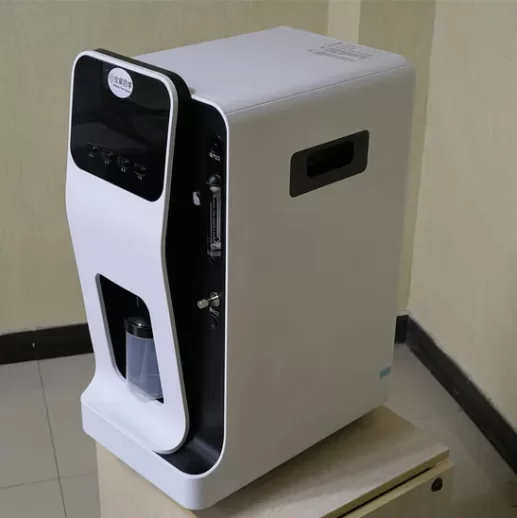
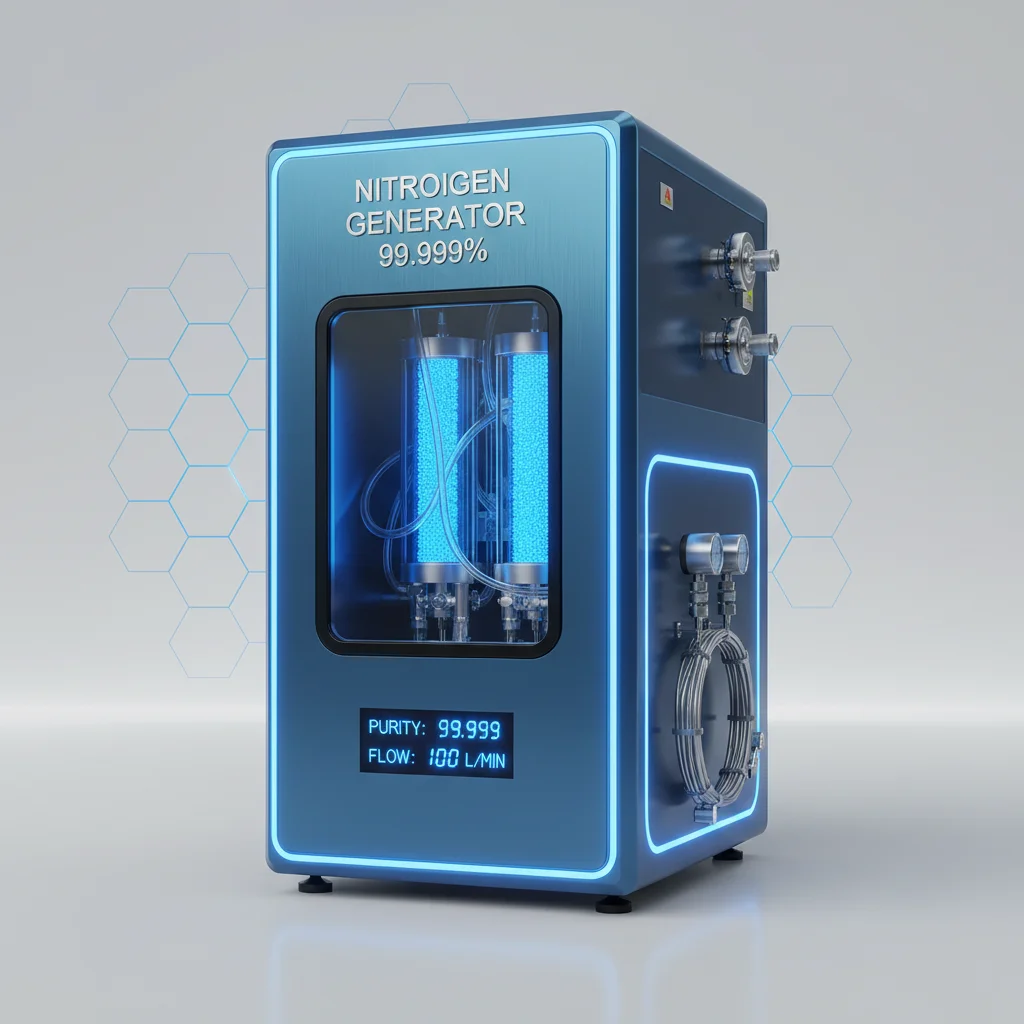
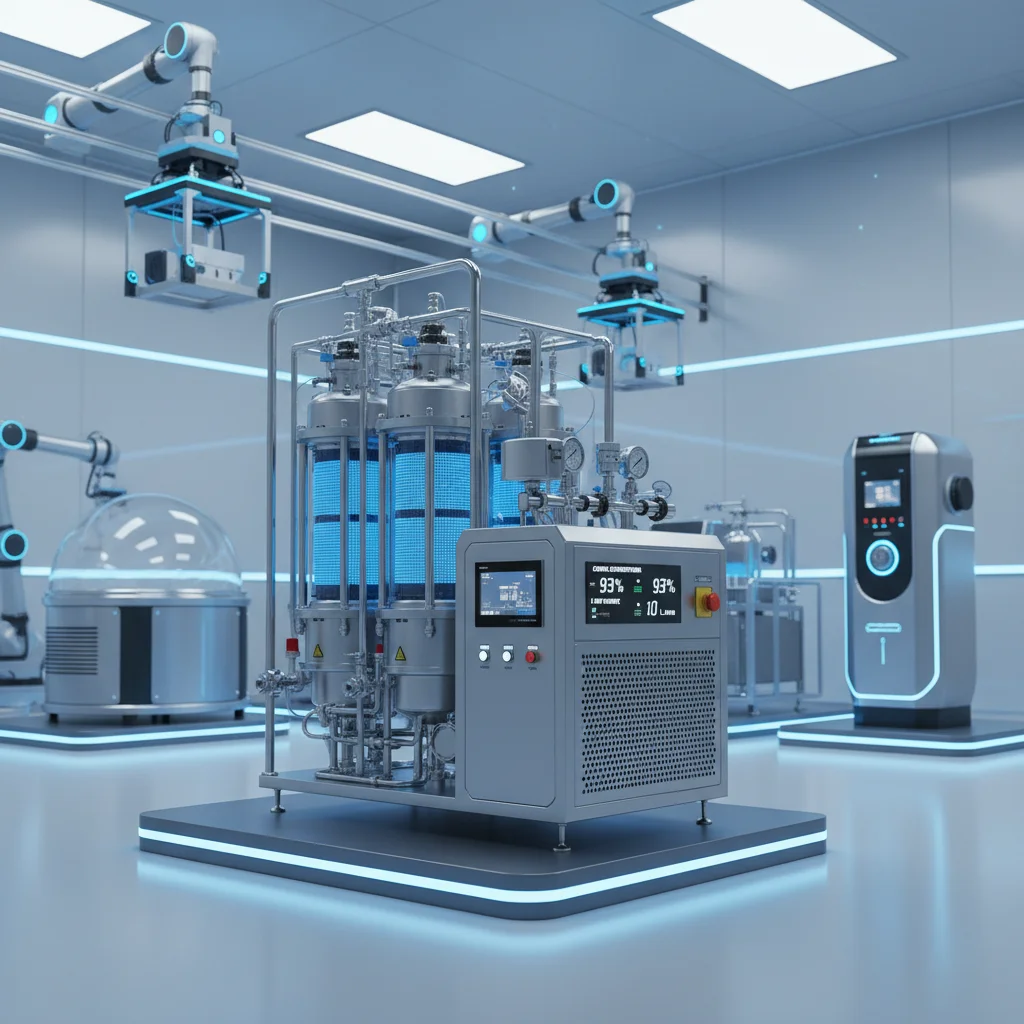
At its core, a portable nitrogen generator is a device that extracts nitrogen gas from ambient air on demand, usually through methods like pressure swing adsorption (PSA) or membrane separation. Unlike traditional gas cylinders, these generators are compact, often skid-mounted or suitcase-sized. They operate by separating nitrogen from oxygen, argon, and other gases present in the air, delivering a continuous, pure nitrogen stream for various uses.
This compactness and mobility translate to flexibility—a must-have in industries that require immediate or decentralized nitrogen supply.
Different applications demand varied nitrogen purity—from about 95% purity for food packaging to ultra-high purity exceeding 99.999% for semiconductor manufacturing. Portable N2 generators are designed to meet specific purity grades, often adjustable to user needs. This is critical—you don’t want contaminants when preserving food or performing sensitive lab work.
These units must withstand rugged environments, whether it's a construction site or emergency medical facility. Many have shock-absorbing frames, weatherproof casings, and compact designs to facilitate transport. Oddly enough, some models weigh under 50 kg yet output hundreds of liters per minute.
Traditional nitrogen cylinder supply involves ongoing rental, refilling, and transportation costs. Portable generators offer a one-time investment, with operational costs largely depending on electricity consumption rather than supply logistics—making them especially cost-effective in remote or energy-scarce regions.
From small desktop units for laboratory use to larger modules powering industrial plants, portable N2 generators come in scalable formats. Modular designs allow adding units in parallel to meet increased demand without massive overhauls.
Modern designs prioritize intuitive interfaces and minimal upkeep. Many models have self-cleaning filters, automated diagnostics, and can be monitored remotely. Frankly, this usability factor often determines customer satisfaction.
| Specification | Typical Value |
|---|---|
| Nitrogen Purity | 95% - 99.999% |
| Flow Rate | 10 - 200 L/min |
| Power Source | 110/220V AC or DC (battery options available) |
| Weight | 20 - 150 kg |
| Operating Temperature | -10°C to 45°C |
| Noise Level |
Across continents, portable N2 generators have been quietly revolutionizing how nitrogen-dependent operations run:
Mini takeaway: Portable nitrogen systems are bridging logistical gaps worldwide—more sustainable, reliable, and adaptable than conventional logistics-heavy supply chains.
Here’s the honest truth: aside from obvious convenience and cost savings, portable N2 generators contribute significantly to environmental sustainability by reducing cylinder transport emissions. They also enhance safety—eliminating risks associated with handling high-pressure gas cylinders. For operators, it’s peace of mind; you trust that nitrogen will be there when you need it, pure and steady.
From a social perspective, communities in remote areas gain dignity through dependable access to clean technologies supporting food security and healthcare. It fosters innovation by enabling new business models like mobile testing labs or temporary food plants—a notable impact that isn’t always in the headlines but certainly merits applause.
Looking ahead, several exciting innovations are shaping this field:
That said, portable nitrogen generation isn’t without hurdles. Electric power dependency can be a real limitation in remote or disaster-affected zones. Noise and initial capital cost also deter some users. However, hybrid power solutions and design optimizations are addressing these issues. Furthermore, standardization efforts, like ISO’s expanding guidelines for gas generation systems, help manufacturers and buyers speak the same language and trust the technology more.
| Vendor | Max Flow Rate (L/min) | Purity Range | Power Source | Weight (kg) | Price Range |
|---|---|---|---|---|---|
| NitroFlow Systems | 150 | 95%-99.9% | AC & DC | 75 | $15,000 - $25,000 |
| PureGen Portable | 50 | 97%-99.999% | AC only | 40 | $8,000 - $12,000 |
| GasMate Mobile | 200 | 95%-99.5% | Solar & AC | 100 | $18,000 - $30,000 |
A1: Portable nitrogen generators typically require a higher upfront investment but are more cost-effective over time by eliminating delivery fees and cylinder rentals. They also reduce risks related to handling compressed gas cylinders, making them safer and cheaper to operate long term.
A2: Modern models come with intuitive controls, automated purging, and remote monitoring features. While basic operational training is required, many businesses find them user-friendly after a short learning curve.
A3: Most generators function within a defined temperature and humidity range (often -10°C to 45°C). For harsher environments, ruggedized models with weatherproof casings and specialized cooling systems are available.
A4: Deployment times vary by model but many compact units can be set up and operational within 30 to 60 minutes, making them well-suited for disaster relief or mobile medical units.
A5: Trusted manufacturers and distributors offer comprehensive support and customization. For a start, visit platforms like portable n2 generator that provide detailed product info and access to the latest models.
To sum it up, portable N2 generators are quietly but firmly reshaping how industries and communities access nitrogen gas—economically, sustainably, and safely. Whether you’re in food processing, healthcare, or field operations, these devices offer flexibility and reliability that conventional cylinders struggle to match. Oddly enough, something so small can have such a big impact globally.
If you want to explore various options or learn more about harnessing portable nitrogen generation, don’t hesitate to visit our website and discover the right solution tailored for your needs.
Mini takeaway: The portable nitrogen generator symbolizes how innovation can bring big industrial services to the palm of your hand – flexible, green, and dependable.