Hit enter to search or ESC to close
3 December 2025
Having spent over a decade in the industrial equipment sector, I’ve noticed that when it comes to nitrogen generators, the conversation almost always circles back to one thing: nitrogen generator purity. But, frankly, purity isn’t just a number on a spec sheet; it’s a game-changer in how reliable and effective your nitrogen supply ends up being.
To set the scene—nitrogen generators work by separating nitrogen from the air, which is roughly 78% nitrogen already. Sounds simple, but ensuring consistently high purity, typically ranging from 95% to 99.999%, requires precise engineering and solid material quality. Oddly enough, the difference between 99.5% and 99.999% purity can hugely impact applications in electronics manufacturing, food packaging, or even pharmaceuticals.
Now, many engineers I worked with often say that while high purity grabs the headlines, what really matters is purity stability over time. A generator that starts pure but degrades quickly could cause contamination or quality control issues downstream. So manufacturers invest heavily in advanced membrane or PSA (Pressure Swing Adsorption) technologies to maintain that sweet spot. These technologies use selective adsorption properties of materials to capture oxygen and let nitrogen pass, and trust me, the quality of these adsorbents is crucial.
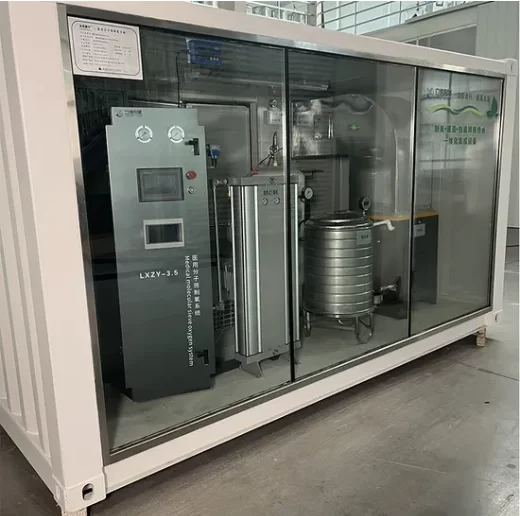
One thing I’ve noticed is that product design also plays a pivotal role. For instance, a well-insulated cabinet or modular design makes maintenance smoother and helps maintain purity longer by preventing moisture or contaminants from sneaking in. Customization options—like flow rate adjustment or purity monitoring sensors—are similarly becoming industry norms because, hey, every facility’s nitrogen needs aren’t cookie-cutter.
Here’s an example that sticks with me: a packaging plant in my hometown faced occasional spoilage issues. They upgraded to a nitrogen generator with a guaranteed 99.999% purity and integrated real-time purity monitors. The operator told me it was like night and day—not just reducing spoilage but cutting down on nitrogen waste too.
Alright, if you’re weighing options, here’s a snapshot of typical specifications you might find useful:
| Spec | Typical Range | Notes |
|---|---|---|
| Purity | 95% - 99.999% | Depends on technology and adsorbent quality |
| Flow Rate | 1 to 1000+ Nm³/hr | Customized per application |
| Pressure | 4 - 10 bar | Typical delivery pressure range |
| Power Consumption | 5 - 15 kW (varies) | Depends on size and operating conditions |
| Dimensions | Varies | Often modular for easier installation |
Now, when you’re choosing a vendor, it’s not just about those specs. I’m often asked which brands are more reliable or offer better long-term value. To shed some light, here’s a quick vendor comparison based on durability, support, and purity performance — the usual hot buttons.
| Vendor | Typical Purity Range | Warranty & Support | User Feedback |
|---|---|---|---|
| PureGen Industrial | 95% - 99.99% | 2 years, on-site support | Highly rated for reliability |
| AirMax Systems | 96% - 99.999% | 1 year, remote support | Good for smaller installations |
| N2Pro Solutions | 98% - 99.999% | 3 years, full maintenance service | Excellent in harsh environments |
And to wrap it all up: if purity is your foundation, then consistency and support build the house. Investing in a nitrogen generator that delivers stable purity may upfront cost more but can save headaches and downtime later. Plus, modern units equipped with real-time monitoring and remote diagnostics are becoming near-musts rather than luxuries. Honestly, it feels like the industry overall is moving toward smarter, more responsive nitrogen solutions.
If you’re looking for reliable nitrogen generators designed with purity and durability in mind, I’d suggest checking out nitrogen generator purity options there — they’ve got a solid range and technical insights that even experienced folks would appreciate.
At the end of the day, the right nitrogen purity choice depends on your specific process needs and tolerance levels. But hopefully, this deeper dive sheds some light and helps you make a more informed decision.
Takeaway? Don’t just chase purity numbers, chase purity stability and dependable support—it’s the combo that makes the industrial difference.