Hit enter to search or ESC to close
3 December 2025
Pure nitrogen might sound like something only chemists or industrial folks think about, but it actually influences a ton of global industries and humanitarian efforts. For example, pure nitrogen is essential in food packaging, electronics manufacturing, and even medical applications. Understanding the cost of pure nitrogen isn’t just about price tags—it's about grasping how accessible and sustainable this critical resource is worldwide. This knowledge can impact everything from how we preserve food on remote islands to how we keep electronics safe from moisture during transit.
Let’s dive deeper, explore what determines the cost of pure nitrogen, why it’s important, and how the world uses it.
The global demand for industrial gases like nitrogen is growing steadily — the market is expected to reach tens of billions of dollars in value within the next few years, according to industry reports. The United Nations and World Bank have highlighted the importance of affordable industrial gases in boosting manufacturing, healthcare, and disaster relief infrastructure, especially in developing economies.
Yet, challenges persist. For many remote or underserved regions, the cost of pure nitrogen can be prohibitively high, limiting access to essential technology and safety practices. There is a growing need to balance affordability with quality, reliability, and sustainability.
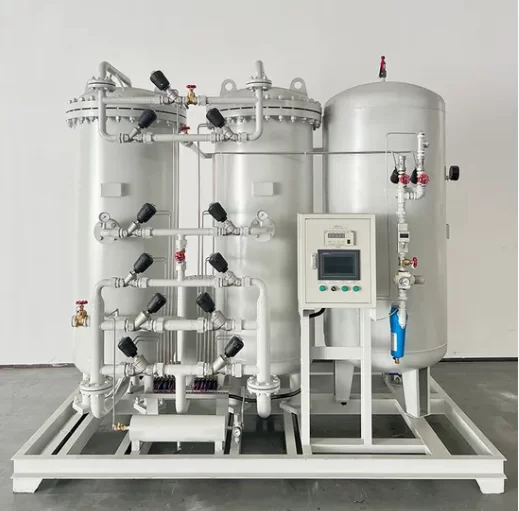
In simple terms, the cost of pure nitrogen means how much it expenses to produce, purify, transport, and deliver nitrogen gas in its high-purity form. Nitrogen itself makes up about 78% of Earth’s atmosphere, so it’s free in the air around us — but to get high-purity nitrogen (commonly 99.999% pure or higher), you have to invest in specialized equipment like pressure swing adsorption units or cryogenic distillation towers.
This purified nitrogen is indispensable for industries that require inert atmospheres, like electronics manufacturing or food preservation, where even tiny impurities can spoil the process.
Mini takeaway: Cost is a nuanced mix of production technology, purity, scale, logistics, and compliance — all reflecting the quality and safety of nitrogen gas used worldwide.
| Specification | Standard PSA Generator | Cryogenic Nitrogen Plant |
|---|---|---|
| Purity Level | 99.9% - 99.999% | 99.9999% |
| Production Capacity | 10 - 500 Nm³/hr | 500 - 10,000 Nm³/hr |
| Energy Consumption | 0.2 - 0.5 kWh/Nm³ | 0.5 - 1.0 kWh/Nm³ |
| Typical CapEx | $30,000 - $150,000 | $1 million+ |
| Typical OpEx | Low to Moderate | High |
So where does this purified nitrogen actually go? Well, the list is unexpectedly broad:
Regions with growing manufacturing hubs, especially in Asia and Africa, are increasingly dependent on affordable, high-quality nitrogen solutions.
Mini takeaway: Pure nitrogen quietly underpins a wide range of industries, from food security to high-tech manufacturing, impacting the quality of everyday goods and safety worldwide.
Why should companies or governments care about optimizing the cost of pure nitrogen? Well, there are layers of benefits:
On a human level, reliable nitrogen access protects jobs, health, and even dignity — think of a mom in a rural area counting on clean food storage for her family.
It’s an exciting time for nitrogen technology. Some key trends shaping the future include:
Despite advances, practical challenges remain. For one, energy consumption of cryogenic plants is still substantial, which can spike costs and emissions. Then there is the capital investment barrier — not every small manufacturer or healthcare clinic can afford big nitrogen plants.
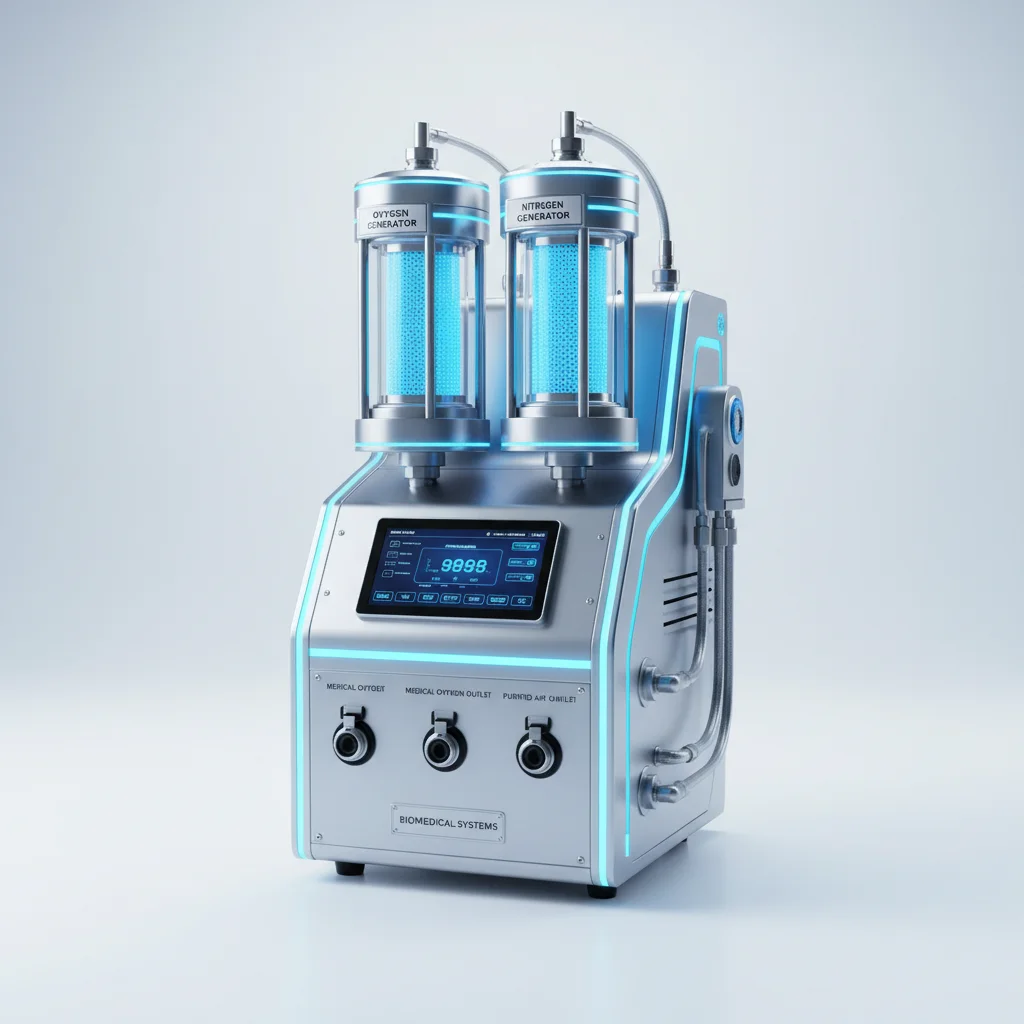
Solutions? Increasingly, companies are turning to on-site nitrogen generators, combining decent purity levels with flexible scale, suited for small to medium needs. Governments and NGOs also play a role in subsidizing access in underserved areas. Plus, continuous R&D helps push membranes and process efficiencies forward.
| Vendor | Product Type | Purity Range | Price Range | Ideal Use Case |
|---|---|---|---|---|
| AirLiquide | Cryogenic Plant | 99.999%+ | $$$ | Large-scale industrial |
| Parker Hannifin | PSA Generator | 99.9 - 99.999% | $$ | Medium-sized facilities |
| Atlas Copco | Membrane Separator | Up to 99.5% | $ | Small-scale & portable |
A: Pricing differences generally come down to scale of production, purity levels offered, location, and delivery method. Large suppliers with cryogenic plants can offer ultra-high purity at competitive prices, while smaller or portable nitrogen generators cost less upfront but may have higher operating expenses.
A: Higher purity nitrogen requires more advanced purification and rigorous quality checks, increasing both capital and operational costs. Industries like semiconductor manufacturing demand ultra-pure nitrogen, which naturally costs more than nitrogen used in food packaging.
A: For many mid-sized or remote operations, on-site PSA or membrane generators reduce transport and storage costs and offer reliable supply. Initial investments can be high, but long-term savings and supply security often make it worthwhile.
A: In emergency contexts, nitrogen supports preserving medical supplies, food, and electronics by preventing spoilage and oxidation. Cost-effective, portable nitrogen systems can make a huge difference in the speed and safety of relief efforts.
A: Advances in renewable energy integration, digital monitoring, and modular technology will make nitrogen production cleaner, more efficient, and more accessible globally — potentially lowering the overall cost of pure nitrogen in years ahead.
Ultimately, the cost of pure nitrogen reflects a complex balance of technology, scale, purity, and logistics. But as technology advances and demand grows, there are exciting opportunities for industry and communities worldwide to access safer, more affordable nitrogen. From food security in remote villages to innovation in electronics, it quietly plays a pivotal role in modern life.
If you want to stay ahead in managing nitrogen costs or are curious about on-site generation solutions, it’s worth checking out trusted resources like Store Oxygen. Understanding this critical gas’s economics could very well future-proof your operations.
Reflecting on this, pure nitrogen supply feels like an unsung backbone of modern industry, quietly making a safer, fresher, and more innovative world possible.