Hit enter to search or ESC to close
27 November 2025
Oxygen isn’t just a gas we breathe—it’s a lifesaver, quite literally. Medical oxygen plants have become an absolute necessity, especially recognized during recent global health crises. Understanding the medical oxygen plant setup cost means getting insight into how healthcare infrastructure is built and how vital resources reach hospitals and remote clinics alike.
Why does knowing the cost matter? Well, it informs stakeholders, policymakers, and healthcare providers about budget planning, sustainability, and accessibility of this critical resource.
The World Health Organization has flagged oxygen as an essential medicine, crucial during surgeries, respiratory treatments, and emergency care. Yet, medical oxygen plant setup cost often becomes a stumbling block, especially in developing nations where budgets are tight, and import logistics are complex.
The challenge boils down to getting oxygen plants closer to the point of care without ballooning costs. High initial investments can discourage governments and hospitals from setting them up in urgent need zones.
Plainly put, medical oxygen plant setup cost includes everything involved in establishing a dedicated oxygen generation system: from equipment procurement, installation, commissioning, to training and initial operation. It covers both capital expenditure (CapEx) and operating expenditure (OpEx) — basically, the upfront price tag plus ongoing expenses.
These plants can vary widely in size and complexity—from small portable units tailored for rural clinics to large-scale centralized plants feeding multiple hospitals. The simple connection is that better clarity on these costs promotes smarter investment choices aligned with modern healthcare needs.
Obviously, a plant serving a big city hospital will cost significantly more than a small community health center’s unit. Scalability counts: many setups offer modular growth options, so you pay only for current needs but can upgrade over time — which might save you headaches (and money) down the line.
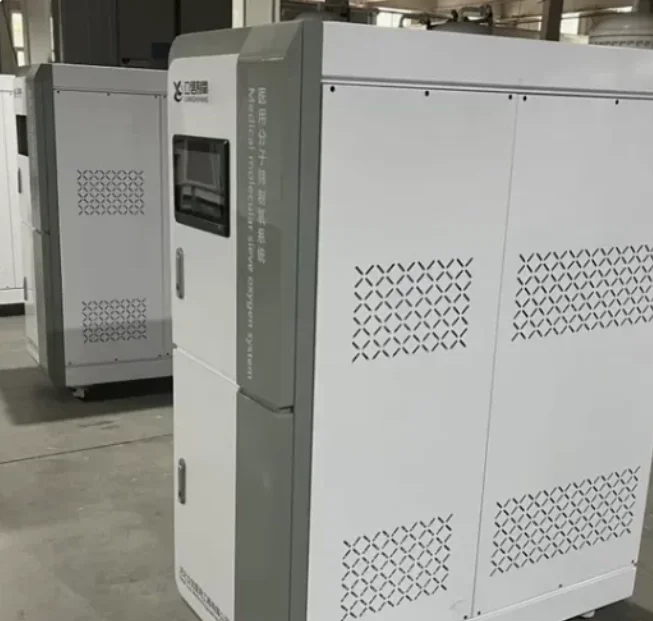
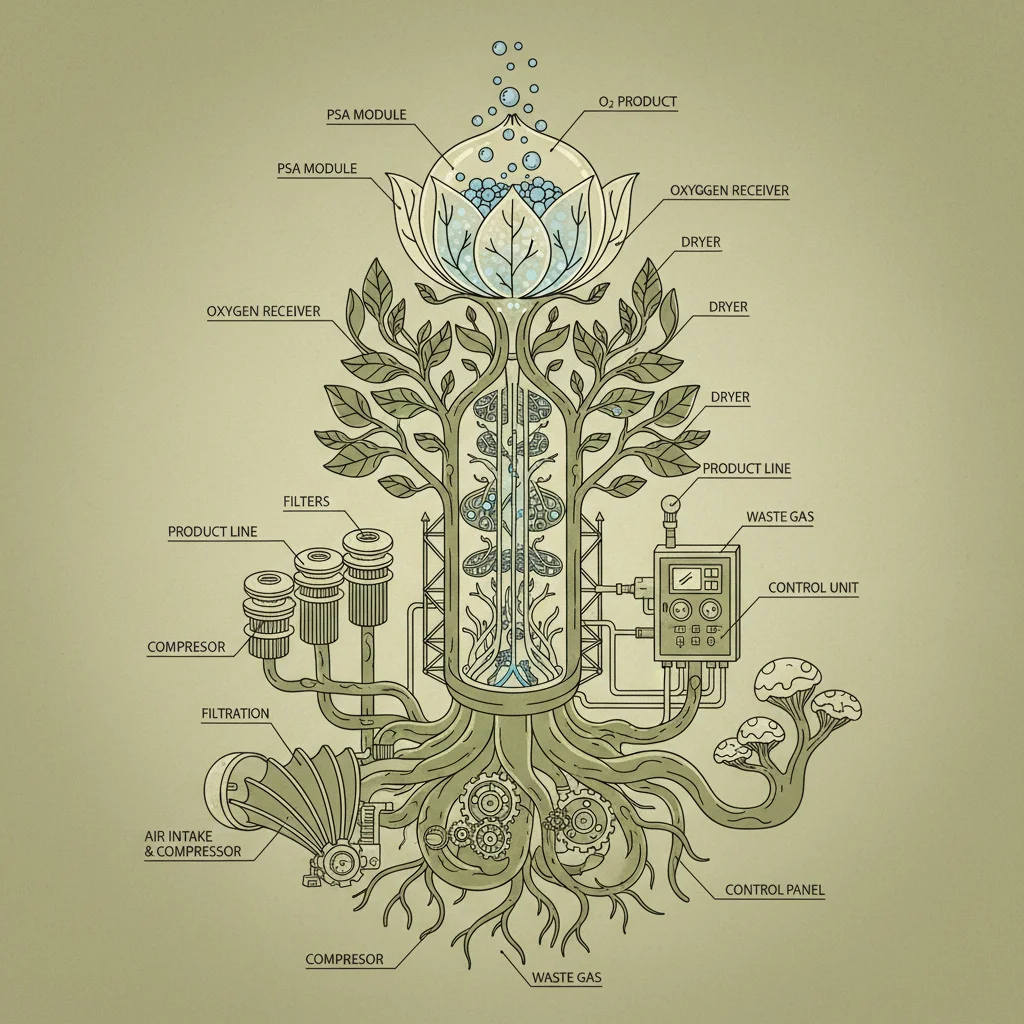
Pressure Swing Adsorption (PSA) technology is often the backbone here. Choices between oxygen purity levels, automation, and durability all influence price. Higher-grade compressors, advanced sensors, and better delivery pipelines add to initial spend but can reduce failures and downtime.
Unexpected but real costs: making sure the site can support the plant — power supply reliability, ventilation, space allocation — adds complexity. Often underestimated, infrastructural adaptations inflate budgets, even if plant hardware is relatively affordable.
Meeting ISO or WHO standards isn’t optional. Compliance requires testing, inspection, and sometimes additional safety mechanisms. Think of these as insurance premiums protecting patients and healthcare workers, with tangible cost implications.
An often overlooked factor: operating highly sensitive medical oxygen plants demands trained technicians. Initial training sessions and ongoing support services need budgeting. Skimp here, and plant downtime costs rise sharply.
Balancing capacity, tech quality, infrastructure readiness, and regulatory compliance are the big drivers behind medical oxygen plant setup cost. Oversimplifying any of these can backfire later.
In India, rural hospitals facing oxygen scarcity installed decentralized PSA plants during COVID-19 peaks, drastically cutting dependence on expensive cylinder deliveries.
Remote mining sites in Australia use mobile oxygen plants tailored to harsh environments, ensuring worker safety without importing oxygen.
Post-disaster relief organizations in the Philippines have also experimented with containerized oxygen solutions that can be flown in and quickly commissioned.
| Specification | Example Unit | Value |
|---|---|---|
| Oxygen Production Capacity | Small-scale PSA Plant | 50 Nm3/hr |
| Oxygen Purity | All setups | ≥ 93% |
| Power Consumption | Typical Unit | 15 kW |
| Estimated Setup Time | Average Case | 4–6 weeks |
| Initial Investment Cost | Small-Scale Plant | $50,000–$80,000 USD |
Oddly enough, the emotional peace of mind healthcare providers get knowing there’s no “oxygen shortage” looming is hard to quantify but nonetheless vital.
Green energy integration—solar-powered oxygen plants—already are making headway in places with unreliable grids.
Automation is being pushed too: real-time monitoring and smart maintenance alerts reduce human error and unexpected breakdown costs.
Material advancements—lighter, corrosion-resistant alloys—can lower infrastructure and maintenance costs.
On the policy front, more governments and NGOs collaborate on funding models that ease upfront costs but guarantee reliable healthcare delivery.
The biggest elephant is still the initial capital required for setting up plants. Small budgets lead to “quick fix” oxygen cylinder buy-ins which aren’t sustainable.
Innovative financing, like Public-Private Partnerships (PPPs) or leasing equipment rather than buying outright, can alleviate these hurdles.
Another headache is technical skills gaps. Remote training via virtual reality or remote expert assistance platforms is a promising fix.
| Vendor | Setup Cost Range | Capacity Options (Nm³/hr) | Warranty & Support | Key Differentiator |
|---|---|---|---|---|
| OxyTech Solutions | $45,000–$75,000 | 30–100 | 2 years + remote monitoring | Advanced automation |
| PureMed Oxygen | $50,000–$80,000 | 50–150 | 3 years + onsite training | Focus on durability |
| MedFlow Industries | $40,000–$70,000 | 20–80 | 1 year + flexible leasing | Affordable leasing options |
The main drivers include capacity (bigger plants cost more), tech sophistication (more automation or higher purity specs adds cost), site prep needs, and local regulations. Sustainability features and training also influence the price tag.
Yes, smaller-scale PSA plants are designed for such cases, often with capacities under 50 Nm³/hr and investment under $50,000, especially when factoring in grants or subsidies.
Expect anywhere from 4 to 8 weeks depending on site readiness, equipment complexity, and local approvals. Delays often come from infrastructure adjustments or compliance testing.
Primarily electricity, routine maintenance, periodic part replacements, and occasionally re-certifications or upgrades. Usually this runs at roughly 10-15% of the initial capital cost annually.
Definitely. Solar-powered PSA plants and green machinery options exist, reducing carbon footprints—and they’re becoming more affordable thanks to technological advances and policy incentives.
The investment required might seem high, but it’s an investment in health infrastructure that pays dividends in lives saved, reduced logistics risks, and tangible social benefits. The medical oxygen plant setup cost isn’t just a budget line—it’s a lifeline.
If you’re curious about the specifics or ready to explore options, visit our website for detailed guides and support to navigate choices that fit your unique healthcare needs.