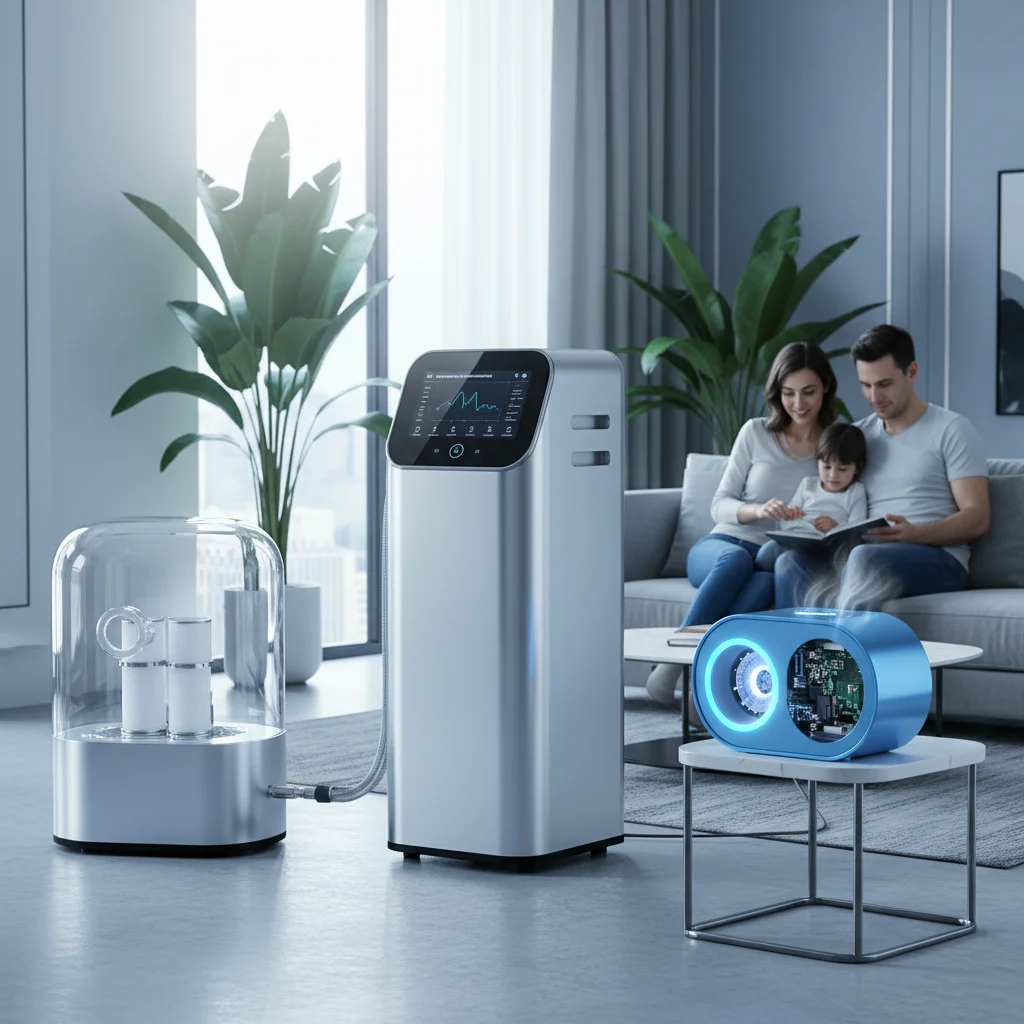
Understanding Oxygen Factory Cost: Why It Matters Globally
Oxygen — not just the air we breathe, but a critical industrial and medical resource worldwide. As climate crises, pandemics, and industrial growth accelerate, oxygen factory cost has become a hot topic with serious implications. Knowing what drives the cost of oxygen production facilities unlocks insights into healthcare access, disaster preparedness, and economic planning. Oxygen factories aren’t just machines pumping air — they’re lifesavers, enablers, and often the backbone of local health infrastructure. And in a world still grappling with the COVID-19 pandemic’s oxygen shortages, understanding the cost factors behind these units can be literally life-changing.
Mini takeaway: Oxygen factory cost impacts everything from hospital readiness to industrial productivity, making it a global concern rather than just a niche matter.
Global Context & Challenges Around Oxygen Factory Cost
The demand for medical and industrial oxygen is rising steadily across continents. According to the World Health Organization, oxygen availability is a critical factor in treating respiratory diseases and emergency care. The UN’s sustainable development goals also emphasize healthcare infrastructure, where oxygen factories play a central role.
However, many developing regions face challenges: high initial investments, logistics, and maintenance costs make it tough to set up oxygen production locally. This sometimes leads to disastrous supply shortages, especially in remote or disaster-affected areas.
Fact is, oxygen factory cost isn’t just a number on a spreadsheet — it shapes how quickly and reliably supplies can reach vulnerable populations. The challenge? Balancing affordability, reliability, and scalability.
Mini takeaway: While oxygen factories are crucial globally, their cost remains a barrier — especially for low-income regions trying to build sustainable oxygen access.
What Do We Mean by Oxygen Factory Cost?
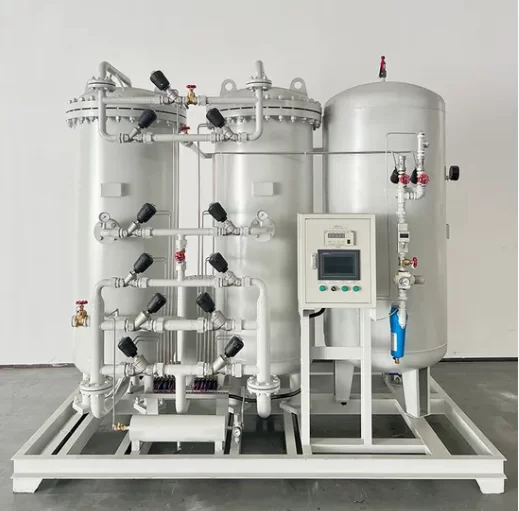
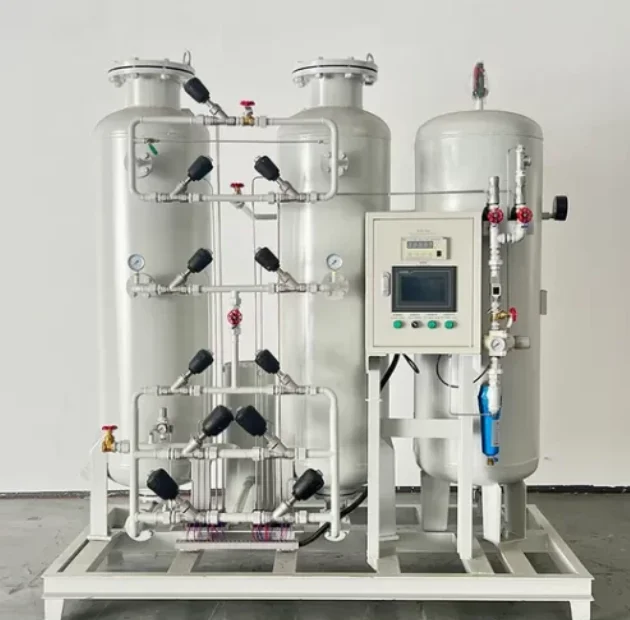
Simply put, oxygen factory cost refers to the total expense involved in setting up and operating a facility that produces oxygen—usually via methods like Pressure Swing Adsorption (PSA) or cryogenic distillation. This covers equipment purchase, installation, staffing, maintenance, energy consumption, and sometimes even training personnel to operate the plant.
Why does it matter? Well, oxygen factories supply medical-grade oxygen for hospitals, industrial oxygen for manufacturing, and even specialized gases for scientific research. The cost directly influences who can build these plants and where they can scale in response to urgent needs.
Think of oxygen factory cost as the upfront and ongoing price tag to ensure communities and industries have a reliable oxygen supply.
Key Factors Influencing Oxygen Factory Cost
1. Plant Capacity & Output
Higher production plants are more capital-intensive but often benefit from economies of scale. For example, a factory producing 10,000 Nm³/day costs substantially more than a 1,000 Nm³/day unit but yields oxygen at lower unit cost. So capacity matters — larger units are a long-term investment, smaller ones fill niche or emergency roles.
2. Technology & Equipment Quality
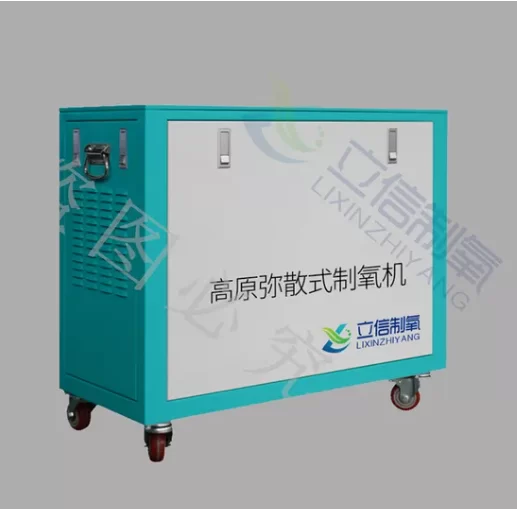
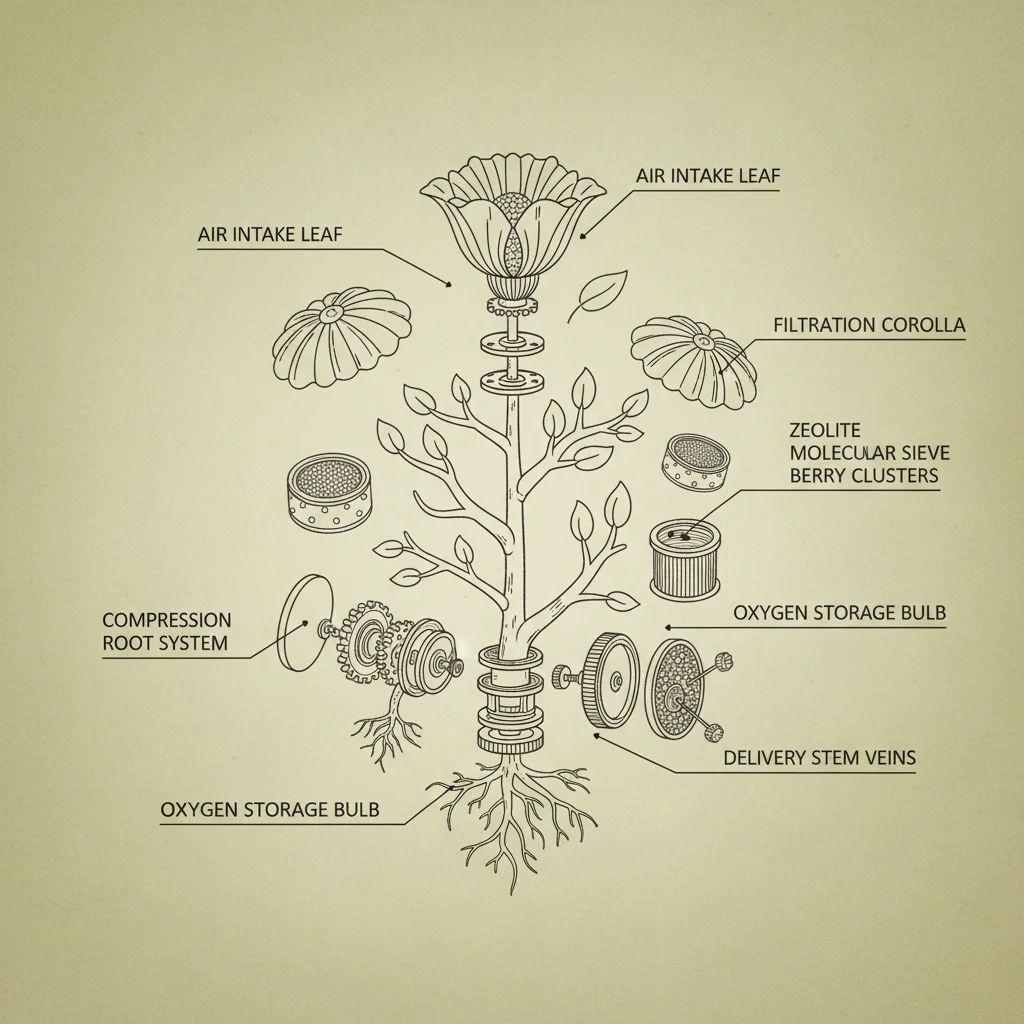
PSA units, membrane systems, and cryogenic plants come with different price points. PSA systems are common for moderate-scale needs due to reliability and moderate power consumption. Cryogenic plants boast very high purity but require expensive infrastructure. Equipment durability and supplier reputation also weigh in.
3. Energy Consumption & Efficiency
Oxygen production is energy-intensive. Plants with better energy efficiency reduce operational costs drastically over time. So although some tech may have a higher initial investment, expect savings on power bills. Local energy costs and availability can also change the long-term economics quite a bit.
4. Site Preparation & Logistics
Building a factory isn’t just buying machines — groundwork, permits, access roads, and transport all cost money. Remote areas, rough terrain, or poor infrastructure raise the bar considerably.
5. Maintenance & Skilled Labor
Higher-end plants require trained staff and regular maintenance. Factoring in training programs and spare part availability ensures smooth operation down the line. Skimping here turns into costly downtime.
6. Government Policies and Incentives
In some countries, tax breaks, subsidies, or partnerships reduce oxygen factory cost — boosting local production. Conversely, bureaucracy and import tariffs can inflate expenses quickly.
Mini takeaway: Oxygen factory cost hinges on balancing capacity, technology, energy, logistics, skilled labor, and policy landscape.
Global Applications & Real-World Use Cases
In recent years, oxygen factories have proven their worth beyond hospital walls. For example:
- Post-Disaster Relief: After earthquakes or floods, local oxygen plants help avoid dangerous supply gaps when transportation routes are cut off.
- Remote Industrial Zones: Mining operations and oil fields often rely on on-site oxygen generation to ensure safety and production continuity.
- Urban Hospitals in Emerging Markets: Many African and Asian cities are investing in compact PSA oxygen plants to meet rising patient demand efficiently.
- COVID-19 Emergency Response: The 2020 pandemic famously exposed oxygen shortages worldwide. Nations ramped up investment in oxygen factories to battle critical care demands.
Large organizations such as UNICEF, WHO, and Médecins Sans Frontières often fund mobile or modular oxygen generation units to quickly bridge gaps in vulnerable regions.
Mini takeaway: Oxygen factory cost isn’t academic — it’s central to saving lives and keeping industries running in diverse, often challenging environments.
Advantages & The Long-Term Value of Investing Wisely
There’s a saying: “You get what you pay for.” But in oxygen production, smart investment in quality and scale delivers:
- Reliable Supply: Less downtime means consistent oxygen availability when it really counts.
- Cost Efficiency: Over time, energy-efficient and well-maintained plants slash oxygen cost per cubic meter dramatically.
- Social Impact: Hospitals can treat more patients, industries remain safe, and communities build resilience.
- Environmental Benefits: Modern plants can integrate green energy, lowering carbon footprint.
- Innovation & Trust: Investing in automated monitoring and remote diagnostics builds operator confidence — fewer emergencies, faster fixes.
Emotionally, knowing your oxygen supply is secure translates to peace of mind for healthcare workers and patients—a non-quantifiable yet profound benefit.
Future Trends & Innovations in Oxygen Factory Cost Management
Looking forward, the oxygen factory cost landscape is evolving thanks to:
- Green Energy Integration: Solar-powered PSA plants are already emerging, reducing operation costs and carbon emissions.
- Automation & IoT: Smart sensors and AI-driven maintenance predict issues before they become failures, cutting costly downtime.
- Modular & Mobile Units: Rapid-deployment oxygen plants help respond to emergencies faster and with less upfront capital.
- Material Advances: Better adsorbents improve PSA efficiency, helping reduce energy costs.
- Policy Incentives: Governments and global agencies increasingly push for local oxygen self-sufficiency via subsidies and grants.
Experts say these innovation waves will gradually make oxygen factory cost less prohibitive and more adaptable to today’s urgent needs.
Challenges in Managing Oxygen Factory Cost and Promising Solutions
Despite advances, challenges remain:
- High Capital Outlay: Many regions struggle to fund sufficiently sized factories upfront.
- Infrastructure Constraints: Poor roads or unreliable power supplies complicate setup.
- Skilled Labor Shortage: Training technicians to operate complex plants requires time and investment.
- Maintenance Delays: Lack of quick spare parts access can cause long production halts.
Solutions involve multi-sector partnerships — NGOs, governments, and private industry collaborating to share funding, provide training, and stock critical spares locally. Leasing models and mobile clinics also help circumvent some upfront cost barriers.
Oxygen Factory Cost: Frequently Asked Questions
Q1: What factors primarily drive the cost of setting up an oxygen plant?
The main drivers are production capacity, technology type (PSA vs cryogenic), energy efficiency, location logistics, and labor costs. Each adds weight differently depending on scale and geography.
Q2: Can smaller oxygen plants provide cost-effective solutions for rural clinics?
Absolutely. Small-to-medium PSA units offer rapid deployment, lower capital costs, and sufficient flow for clinics. Though unit oxygen cost might be higher than large factories, accessibility offsets that.
Q3: How does energy consumption impact the long-term budget of an oxygen factory?
Energy often forms the largest operational expense. Plants with optimized, energy-saving designs reduce these costs significantly, improving overall economics.
Q4: Are there modular oxygen plants suitable for emergencies?
Yes. Modular/mobile PSA units are designed for quick setup during crises, reducing both deployment time and capital cost compared to permanent plants.
Q5: How do government policies influence oxygen production costs?
Subsidies, tax benefits, and import exemptions can reduce upfront expenses, while stringent regulations might increase compliance costs. Encouraging local production usually helps manage overall costs.
Oxygen Factory Cost Specification Table
| Specification |
Typical Range |
Notes |
| Production Capacity |
500 - 20,000 Nm³/day |
Depending on scale and need |
| Capital Cost |
$150,000 - $5,000,000 |
Varies by technology & size |
| Energy Consumption |
0.5 - 1.5 kWh/Nm³ |
PSA plants typically on lower end |
| Oxygen Purity |
93% - 99.5% |
Cryogenic plants achieve higher purity |
| Installation Time |
3 - 12 Months |
Influenced by size and location |
Oxygen Factory Vendors at a Glance
| Vendor |
Technology |
Typical Capacity |
Average Cost Range |
Notable Features |
| OxyPure Solutions |
PSA |
1,000 - 10,000 Nm³/day |
$200K - $1.5M |
Energy-efficient, modular designs |
| CryoAir Technologies |
Cryogenic |
5,000 - 20,000 Nm³/day |
$1M - $5M+ |
High purity output, advanced automation |
| GreenOxy Units |
Solar PSA |
500 - 2,000 Nm³/day |
$150K - $700K |
Renewable energy powered, portable |
In closing, while the upfront oxygen factory cost might feel steep, the long-term dividends in healthcare, industrial safety, and community resilience are undeniable. Selecting the right technology and scale based on need and location, coupled with innovations in green energy and modular design, can transform cost challenges into opportunities.
For those looking to explore oxygen production solutions or assess detailed oxygen factory cost info, visiting specialist providers and consulting trusted marketplaces will be key steps toward finding the best fit.
Sometimes, understanding these costs feels like peeling layers off an onion — there’s complexity, but also clarity once you know what you’re dealing with.
References
- WHO Oxygen Therapy Guidelines
- United Nations Sustainable Development Goals - Good Health
- Pressure Swing Adsorption – Wikipedia