Hit enter to search or ESC to close
2 December 2025
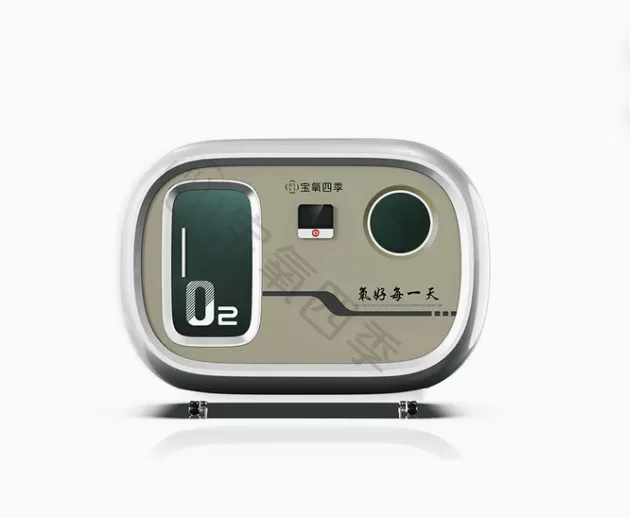
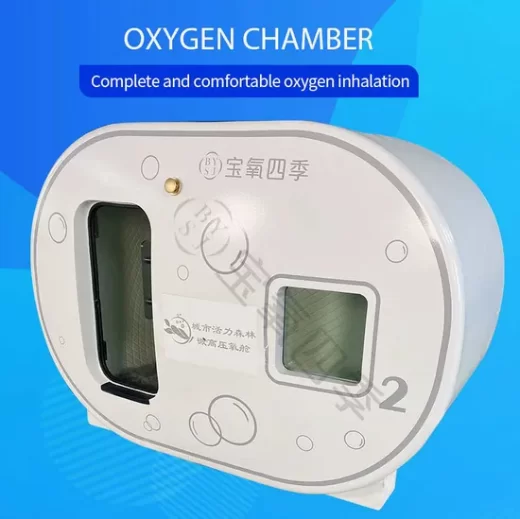
Hyperbaric oxygen therapy (HBOT) chambers might sound like something from sci-fi, but they’re increasingly relevant worldwide — not just in specialized hospitals but in emergency relief, sports medicine, and chronic wound care. To untangle it simply, an hbot chamber is a pressurized vessel designed to deliver pure oxygen at pressures higher than atmospheric levels. This speeds up oxygen absorption in the bloodstream and stimulates healing processes.
At a glance, you might wonder why HBOT chambers matter globally. Well, the rising incidence of chronic diseases, wounds resistant to healing, and neurological conditions makes HBOT an appealing complementary therapy. Beyond healthcare, the technology aids in disaster response and military medicine, too. It’s a high-tech approach to an ancient concept: oxygen as medicine.
The World Health Organization estimates millions of people annually suffer from conditions that could benefit from enhanced oxygen delivery—like diabetic foot ulcers or decompression sickness. Oddly enough, demand for effective, non-invasive treatments keeps growing, even as healthcare budgets tighten. According to ISO standards (ISO 13485:2016), medical devices like HBOT chambers must adhere to strict safety and quality controls, which reflects the increased usage and scrutiny worldwide.
One challenge that keeps popping up is accessibility—many regions lack facilities with HBOT chambers due to cost or infrastructure. It’s a gap that newer, more portable (hbot chamber) designs are beginning to fill, albeit slowly. This broader accessibility could transform care paradigms in underserved areas.
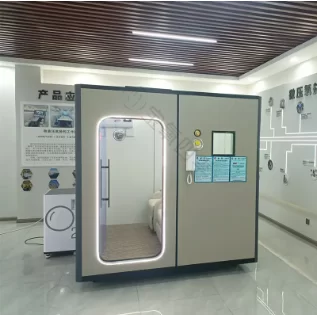
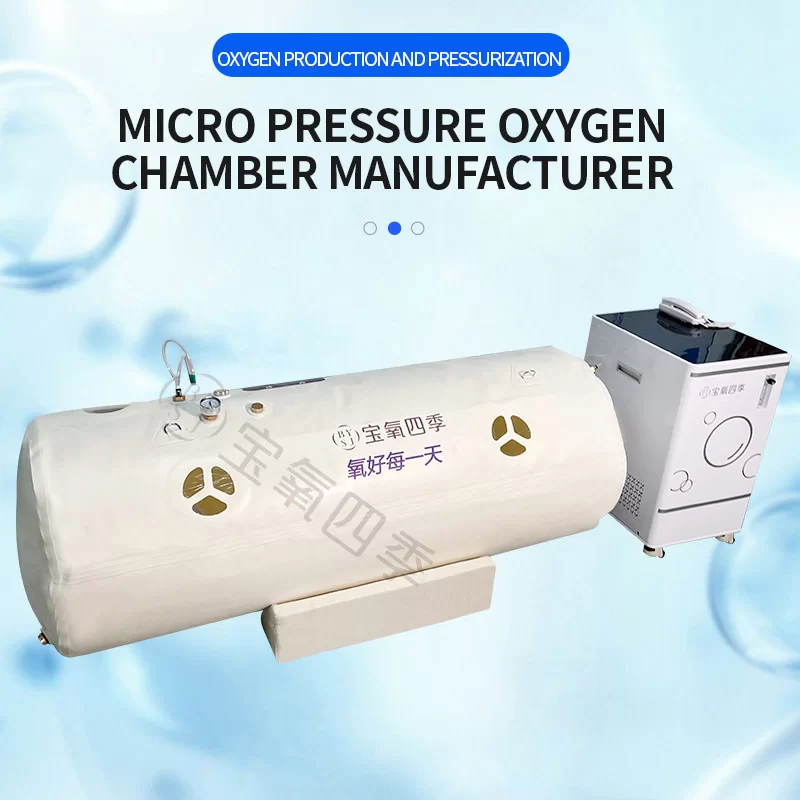
Simply put, an hbot chamber is a sealed, pressure-controlled environment where patients breathe nearly 100% oxygen at elevated pressures. The increased pressure allows oxygen to dissolve more thoroughly into the blood plasma, reaching tissues starved of oxygen in ways regular breathing can’t. The chambers come in two main types:
HBOT isn’t just a clinical curiosity; its roots trace back to early 20th-century diving medicine. Now, it addresses everything from carbon monoxide poisoning to stubborn infections, stroke rehab, and, increasingly, sports injury recovery.
Precise control over atmospheric pressure inside the chamber (usually 1.5 to 3 atmospheres absolute) is critical. This ensures optimal oxygen diffusion without risking barotrauma.
High-purity oxygen supply and appropriate breathing apparatuses (masks, hoods) maintain therapeutic oxygen levels.
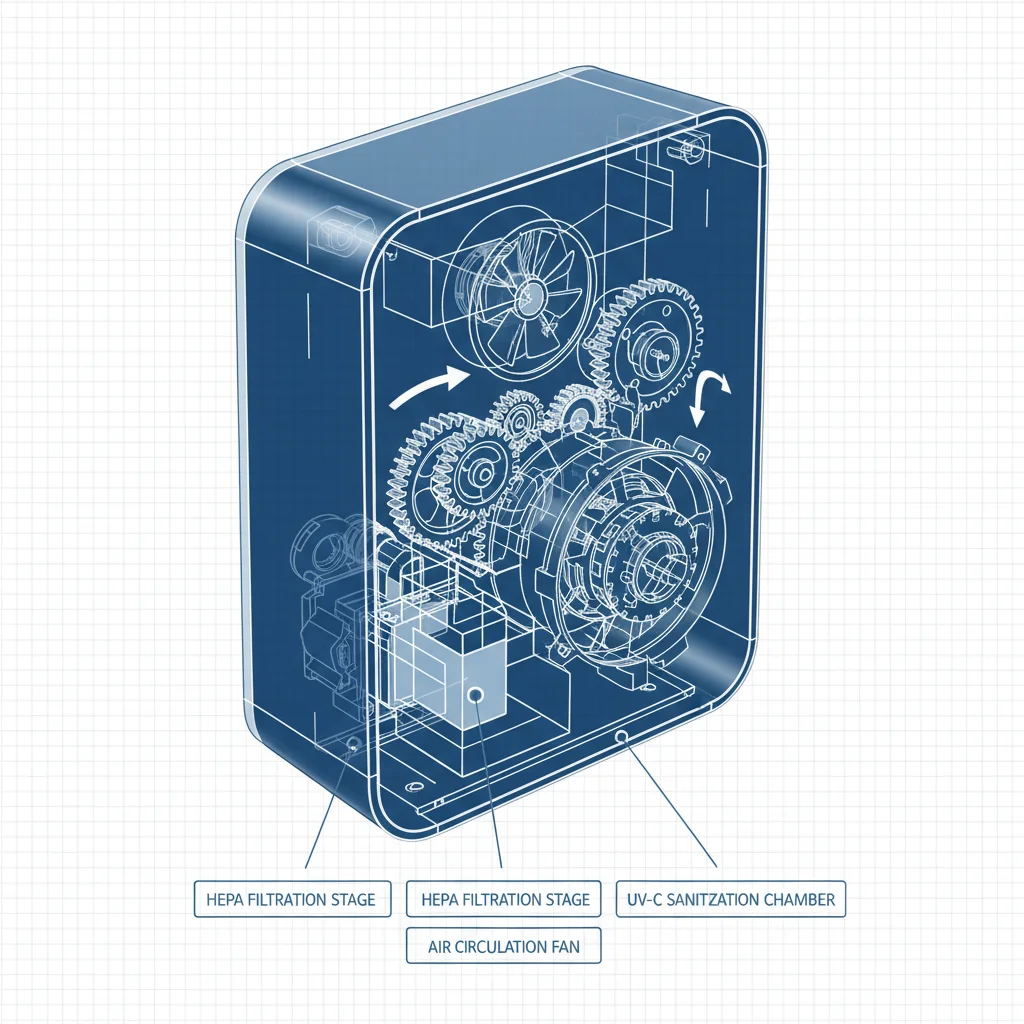
Continuous monitoring systems track pressure, oxygen concentration, temperature, and patient vitals—because safety here is life-critical.
HBOT chambers are typically made from stainless steel, aluminum, or durable composites to withstand repeated pressurization cycles and ensure airtight seals.
Modern chambers have computerized controls for treatment protocols and emergency shutdowns, making operation accessible for trained staff.
Especially in multiplace chambers, lighting, communication systems, and seating/lying arrangements improve patient compliance during often lengthy sessions.
Mini takeaway: The efficiency and safety of an HBOT chamber hinge on fine-tuned pressure management, pure oxygen delivery, and robust safety design—technology meets physiology pretty directly here.
| Specification | Typical Monoplace Unit | Typical Multiplace Unit |
|---|---|---|
| Pressure Range | 1.5 - 3 ATA | 1.5 - 3 ATA |
| Oxygen Delivery | 100% O₂ inside chamber | Masks/Hoods with 100% O₂ |
| Capacity | 1 Patient | Multiple Patients (up to 12) |
| Dimensions (approx.) | 2 m length, 0.8 m diameter | Varies, larger footprint |
| Materials | Aluminum, steel | Stainless steel, reinforced composites |
Takeaway: The utility of HBOT chambers spans diverse use cases from acute emergencies to chronic care with clear impacts on quality of life and recovery speed.
| Vendor | Chamber Types | Safety Features | Price Range | Installation Time |
|---|---|---|---|---|
| OxyHealth | Monoplace | Automated pressure relief valves, CO2 sensors | $85,000 - $125,000 | 2-3 days |
| Sechrist | Monoplace, Multiplace | Redundant monitoring, emergency decompression | $250,000 - $500,000 | 1-2 weeks |
| Perry Baromedical | Multiplace | Advanced fire suppression, remote monitoring | $400,000+ | 3-4 weeks |
HBOT chambers offer tangible benefits beyond clinical outcomes. Cost-wise, while the initial investment and operational demands aren’t trivial, many healthcare providers see improved patient throughput and reduced hospital stays. Sustainability-wise, the technology supports less invasive treatments, potentially lowering medication and surgery dependence.
Socially and emotionally, it’s about more than numbers. Patients report higher satisfaction from a feeling of active recovery control, and families appreciate innovative options when traditional medicine falls short. There’s an undeniable trust factor in technology that’s backed by decades of research and ISO-certified manufacturing.
Brief takeaway: The real win is blending high-technology benefits with patient-centered care and sustainable use.
Upcoming innovations focus on portability, digital integration, and “green” energy use. Some newer hbot chamber models boast lightweight composites and inflater/deployer systems—ideal for rapid disaster response.
On another front, AI-powered monitoring increasingly enables personalized oxygen dosing, reducing risks and maximizing efficacy. Also, solar-powered compressors and energy-efficient designs hint at a sustainable future, responding to global carbon footprint reduction efforts.
Despite the promise, HBOT faces hurdles: cost and infrastructure remain large barriers for developing regions, and some skepticism lingers in clinical communities over standardized indications. Managing fire risks and oxygen toxicity also demands meticulous safety protocols.
Solutions? Vendors are innovating modular designs to lower costs and increase mobility. Meanwhile, interdisciplinary research continues to refine medical guidelines, helping doctors identify ideal candidates. Training programs increasingly emphasize safety and evidence-based use, elevating trust overall.
In real terms, hbot chambers blend high-tech engineering with a fundamental biological principle: oxygen heals. Their global relevance continues to rise as we seek less invasive, efficient, and accessible therapies that tackle serious health and trauma challenges. With advancing technology, safer designs, and expanding use cases, HBOT seems poised to play a greater role in future healthcare.
Curious to learn more or explore options? Visit our website: https://www.storeoxygen.com
Reflecting on this topic reminds me how technology can sometimes subtly reshape approaches to healing — oxygen therapy was always simple, but now it’s sophisticated, global, and full of promise.