Hit enter to search or ESC to close
2 December 2025
The personal hyperbaric chamber has been quietly revolutionizing how we approach healing, wellness, and oxygen therapy — and frankly, it’s about time. Around the globe, rising interest in holistic health, chronic wound treatment, and even sports recovery has pushed these compact oxygen environments into the spotlight. Understanding what a personal hyperbaric chamber really is, why it matters, and how it’s used can shed light on its growing global footprint and immense benefits.
Hyperbaric oxygen therapy, traditionally administered through large clinical chambers, has long been reserved for hospitals and specialty clinics. But as the World Health Organization reports, access to advanced medical therapies remains uneven — especially in remote or underserved regions.1 This creates a pressing need for portable, affordable, and effective options. Enter the personal hyperbaric chamber, designed to fill this gap by offering pressurized oxygen therapy at home or in the field.
Globally, with increasing rates of chronic illnesses like diabetic foot ulcers and recovery needs among athletes, these devices provide a tangible answer to improving outcomes outside traditional settings. Plus, from a humanitarian perspective, compact hyperbaric chambers could support disaster zones or areas with limited infrastructure — a challenge we know persists worldwide.
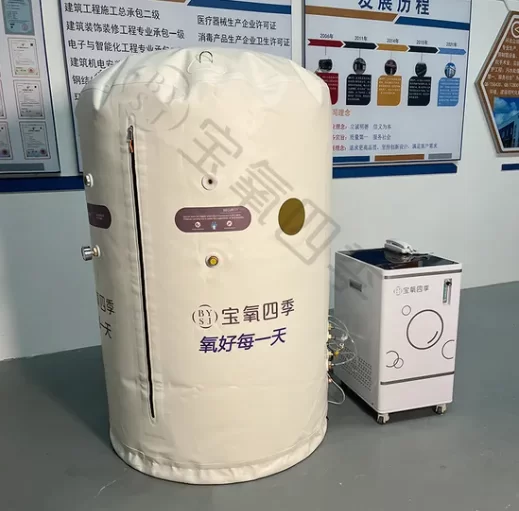
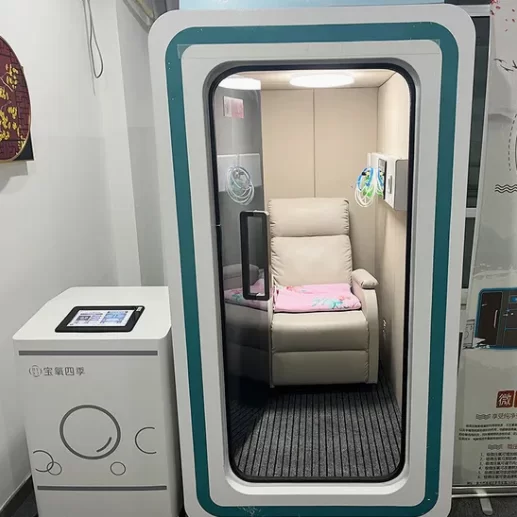
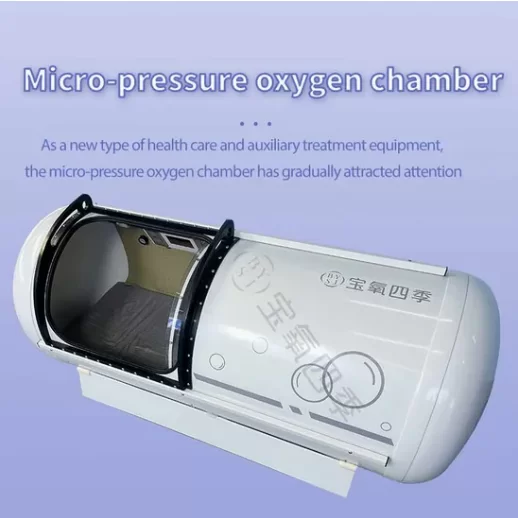
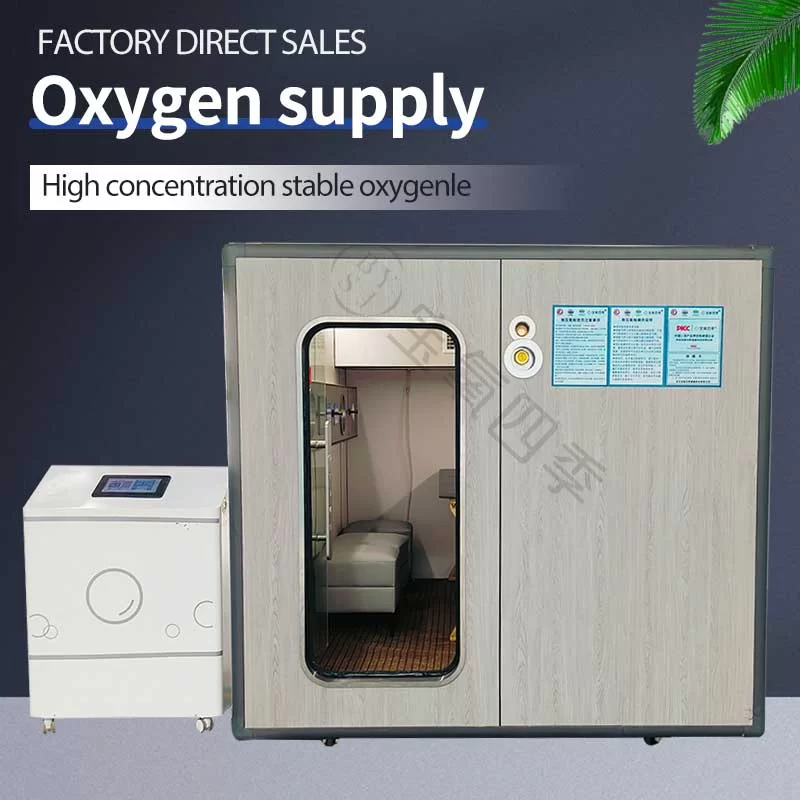
At its core, a personal hyperbaric chamber is a sealed, pressurized environment where an individual breathes pure oxygen to accelerate healing and promote wellness. Unlike hospital-sized chambers that accommodate multiple patients simultaneously, personal chambers are designed for single users and are often portable, lightweight, and user-friendly.
These chambers blend medical technology and modern design into a capsule-form equipment that can be set up in homes, clinics, or even mobile medical units. Their growing use spans from therapeutic applications like enhancing wound healing to boosting athletic recovery, and even alleviating symptoms related to neurological conditions.
A reliable air compressor or pump keeps the chamber at controlled pressure levels, generally around 1.3 to 1.5 atmospheres absolute (ATA). Proper pressurization is crucial to ensuring oxygen dissolves effectively in body fluids.
Unlike medical-grade hospital chambers that use 100% oxygen, many personal chambers utilize ambient air with increased pressure. Some include supplemental oxygen options for enhanced therapy, depending on the user’s needs.
Typically made from tough PVC or polyurethane, these chambers must withstand sustained pressure without compromising safety or comfort.
Many models incorporate pressure gauges, valves to ease pressure changes, transparent windows, and communication ports. These features foster safe and comfortable user experience, critical in personal health devices.
A hallmark feature — many chambers fold or pack into travel-sized bags, empowering users to maintain therapy on the go or during travel.
| Feature | Value |
|---|---|
| Pressure Capacity | 1.3 – 1.5 ATA |
| Material | PVC / Polyurethane |
| Portability | Foldable / Carry Bag Included |
| User Capacity | Single User |
| Power Source | Electric Compressor / Battery Backup (optional) |
Mini takeaway: The personal hyperbaric chamber’s innovation lies in making proven hyperbaric oxygen therapy accessible outside hospital walls, combining pressurization, oxygen delivery, and portability into one package.
Oddly enough, these chambers have found relevance in a variety of settings:
Regions like North America, Europe, and parts of Asia are leading adoption, but interest is quickly rising in emerging economies where traditional therapy access is limited.
The benefits are almost tangible: greater independence, cost savings, and enhanced healing. When I spoke with clinicians using these devices, they consistently highlighted improved patient compliance since therapy became less cumbersome.
The personal hyperbaric chamber market is moving fast. Engineers are experimenting with lightweight carbon fiber frames, AI-powered pressure adjustments, and integration with wearable health monitors. Sustainability is becoming a priority too — expect solar-powered compressors or bioplastics replacing PVC soon.
Frankly, users sometimes worry about claustrophobia or the learning curve of safe operation. Manufacturers are responding with ergonomic designs, transparent panels, and companion apps that provide real-time guidance.
Another issue is regulatory approval across regions, but many vendors are working closely with ISO and FDA to streamline certifications.
| Brand | Price Range | Max Pressure (ATA) | Portability | Special Features |
|---|---|---|---|---|
| OxyWell | $3,500 - $4,500 | 1.5 ATA | Foldable Carry Bag | Bluetooth app control |
| HyperPod | $4,000 - $5,200 | 1.4 ATA | Compact suitcase design | Integrated ambient oxygen sensors |
| BreathEasy | $3,000 - $4,000 | 1.3 ATA | Inflatable and lightweight | FDA cleared, easy setup |
Personal chambers are generally safe when used as per manufacturer guidelines. They have built-in safety features like pressure release valves and require supervision during sessions. However, consulting a healthcare provider before starting therapy is highly recommended.
While personal hyperbaric chambers support healing and recovery, they aren’t substitutes for hospital-grade treatment in severe cases. They work best as complementary therapy for chronic wounds or recovery, not for emergencies.
Most sessions run between 30 to 90 minutes, depending on the condition being treated and user tolerance. It’s best to follow individualized protocols created by health professionals.
Absolutely. Many users report they love being able to take their chamber on trips or move it between rooms. It’s not like lugging a hospital chamber — these often fold into compact bags.
Regulations vary by country, but some models may require a prescription or doctor’s recommendation. Always verify local rules before purchase.
The personal hyperbaric chamber exemplifies how technology can reach beyond traditional clinical settings to empower individual wellness and healing. Their cost-effectiveness, portability, and ongoing innovation make them a promising solution for many worldwide. If you’re curious to explore the right chamber for you or your organization, visit our website to learn more.
Oddly enough, the future of oxygen therapy might just be personal — literally at your fingertips.