Hit enter to search or ESC to close
2 December 2025
At first glance, a decompression chamber might sound like high-tech sci-fi stuff. But honestly, it’s a crucial device that’s been quietly supporting various industries and saving lives for decades now. Worldwide, these chambers help manage pressure differences that affect things from deep-sea divers to medical emergencies. Knowing what a decompression chamber is — and why it’s so necessary — sheds light on advancements improving safety protocols globally, particularly in hazardous or harsh environments.
Roughly speaking, understanding decompression chambers is important because they directly prevent serious health risks linked to pressure changes, notably decompression sickness, often called the “bends.” They’re used in industries ranging from offshore oil rigs to hyperbaric medicine and even aerospace.
The global demand for safe work environments in extreme-pressure zones keeps decompression chambers relevant. For example, the International Maritime Organization (IMO) estimates over 600,000 commercial divers worldwide; many operate in situations where sudden ascent can cause dangerous blood gas bubbles. According to the World Health Organization (WHO), hyperbaric oxygen therapy, often delivered inside decompression chambers, treats various medical conditions affecting millions globally.
Yet, despite technological progress, many regions still face challenges implementing proper decompression solutions — whether due to cost, expertise, or infrastructure. This gap highlights how vital continued innovation and awareness are.
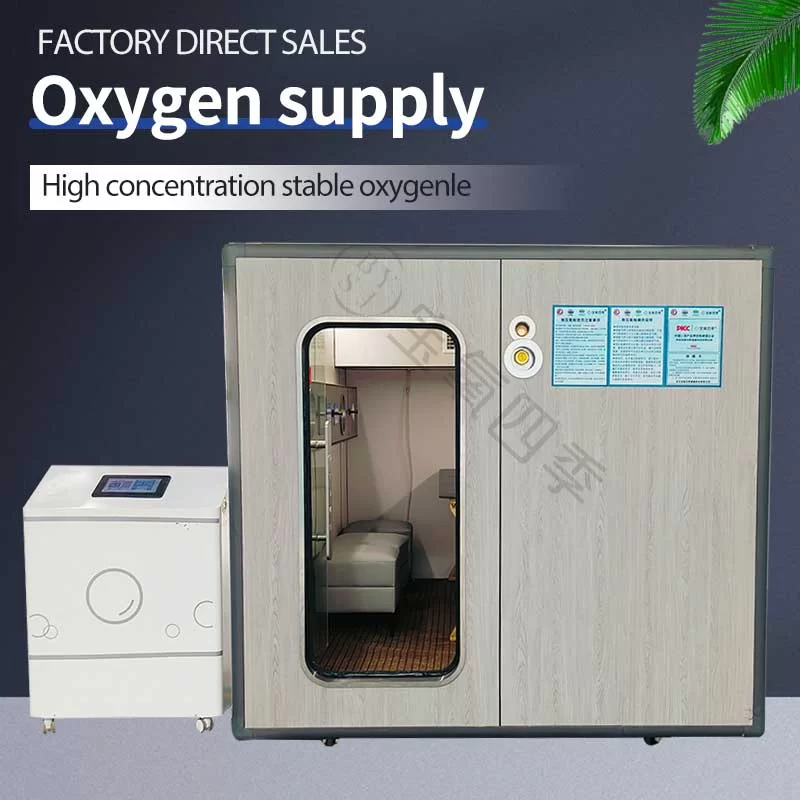
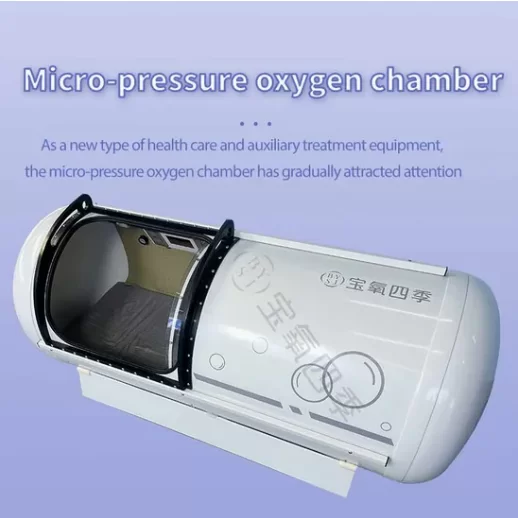
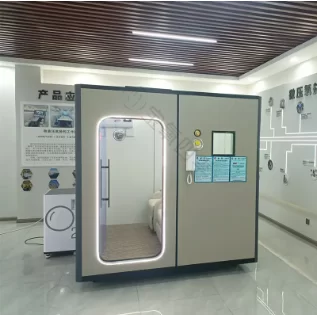
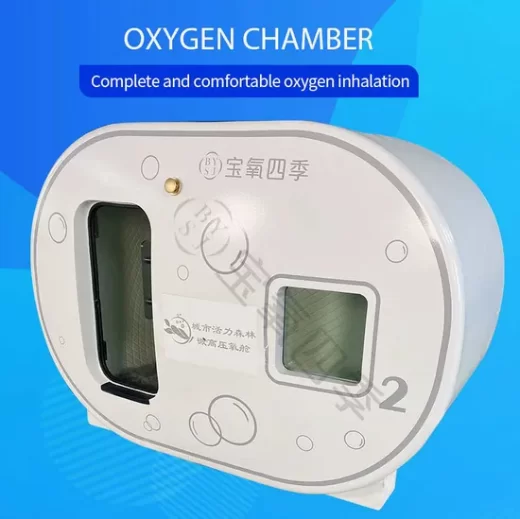
Simply put, a decompression chamber is a sealed enclosure designed to withstand and regulate high or low pressure. Within its walls, it can simulate environments with controlled atmospheric pressure to either gradually adjust users to normal conditions or deliver medical treatments under pressurized oxygen-rich air.
In practice, it’s either a physical chamber large enough for a person (or sometimes groups) or miniaturized systems integrated into medical or industrial setups. These chambers address conditions caused by rapid pressure changes — think divers surfacing too quickly or patients treated for carbon monoxide poisoning.
The connection to modern industry is strong: from subsea engineering to hyperbaric medicine, decompression chambers are indispensable tools for safety and treatment.
Mini takeaway: The best decompression chambers are an intersection of rugged design, adaptable size, advanced life-support features, and cost-effectiveness — making them essential across sectors.
| Feature | Specification |
|---|---|
| Capacity | 4 Persons |
| Material | Marine-grade steel alloy |
| Maximum Pressure | 6 atmospheres (atm) |
| Oxygen Supply | Adjustable, up to 100% oxygen |
| Control System | Automated pressure & life-support monitoring |
Decompression chambers find their place in diverse scenarios, often peculiar but linked by the challenge of controlling pressure environments. For example:
Oddly enough, one surprising example comes from high-altitude industrial zones of the Andes, where miners use decompression chambers to mitigate altitude sickness after intense shifts.
Mini takeaway: The reach of decompression chambers spans medicine, industry, disaster relief, and even space exploration—showing their indispensable global value.
One could list the benefits all day, but here are the standouts:
Frankly, the emotional relief families and patients feel knowing such equipment exists is hard to quantify but very real. Trust in technology that protects life under extreme conditions matters deeply.
Looking ahead, the decompression chamber world is evolving digitally and environmentally. Here’s what’s on the horizon:
These trends reflect a broader push within industry and healthcare to marry robustness with smart digital solutions—making decompression chambers even more user-friendly and eco-friendly.
Despite progress, challenges linger:
Innovations addressing these include modular prefabricated units cutting installation time and open-source training platforms expanding accessibility. Additionally, organizations often collaborate to harmonize standards globally.
| Vendor | Global Reach | Product Range | Price Range | Key Feature |
|---|---|---|---|---|
| HyperMed Systems | North America, Europe | Single & multiplace chambers | High | Advanced automation & monitoring |
| OxySafe Tech | Asia, Middle East | Compact portable units | Mid | Energy-efficient compressors |
| DiveSafe Solutions | Global | Industrial & medical hybrid chambers | Variable | Modular scalable designs |
In a world where industries push the boundaries of human limits—whether underwater, in outer space, or critical medical care—the decompression chamber stands as an unsung hero. It’s a blend of solid engineering, safety innovation, and lifesaving technology that continues to evolve and adapt. For anyone involved in medical treatment, diving, or industrial operations requiring pressure regulation, understanding and investing in quality decompression chambers isn’t just smart—it’s essential.
Curious about the range of decompression chambers suited for your needs? Visit https://www.storeoxygen.com to explore industry-leading options, expert guidance, and bespoke solutions.
Mini takeaway: Decompression chambers are at the nexus of safety and innovation—a must-know for industries facing ever-more challenging pressure environments.
References:
1. International Maritime Organization (IMO) Diving Industry Statistics
2. World Health Organization (WHO), Hyperbaric Oxygen Therapy Guidance
3. ISO 11137 Sterilization of Health Care Products – Standards for Hyperbaric Chambers