Hit enter to search or ESC to close
2 December 2025
If you've never heard of a portable hyperbaric chamber, you're not alone. Yet, this compact innovation is quietly reshaping healthcare, emergency response, and even athletic recovery worldwide. It's a medical device designed to increase air pressure around a person, allowing their lungs to absorb more oxygen. That might sound technical, but its implications are profound. Especially in areas where hospital-grade equipment can't quickly reach, these portable units can literally save lives.
According to the World Health Organization, oxygen therapy is critical in treating various conditions — from carbon monoxide poisoning to chronic wounds and infections. However, delivering safe and effective oxygen therapy in remote or disaster-stricken zones has long been a challenge. Enter the portable hyperbaric chamber, which offers a flexible, cost-effective solution where traditional hyperbaric oxygen therapy (HBOT) rooms aren’t feasible. Oddly enough, as natural disasters and remote expeditions increase worldwide, the need for mobility in medical care grows exponentially.
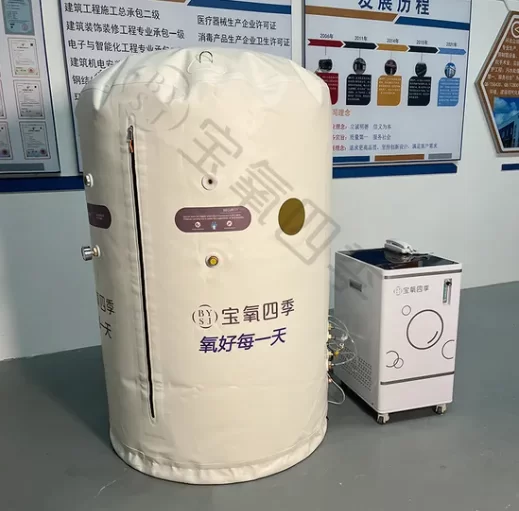
Simply put, a portable hyperbaric chamber is a sealed, pressurized environment designed to deliver 100% oxygen (or higher-than-atmospheric pressure air) to the body. Unlike fixed, hospital-based chambers, these are lightweight, often inflatable, and can be transported easily. They’re typically made from durable materials like airtight PVC or advanced composites. Their connection to modern industry and humanitarian needs is clear — whether it’s treating divers suffering from decompression sickness, accelerating wound healing in field hospitals, or providing altitude acclimatization in mountaineering expeditions.
These chambers must withstand pressure differences without leaks, yet stay light enough to move by one or two people. Materials such as reinforced polyurethane-coated fabrics or PVC blends are used to ensure durability during transport and in varied climates.
Reliable valves, pressure gauges, and emergency venting systems are essential for user safety. Precise pressure regulation allows for therapy levels typically between 1.3 to 3 atmospheres absolute (ATA).
Spacious interiors, adjustable oxygen flow, and clear visibility help reduce patient anxiety, making therapy sessions more tolerable. Many models include features for easy entry and exit, vital for emergency use.
Institutions often choose models based on how many patients they expect to serve and how frequently. Portable chambers tend to come with lower upfront costs and minimal installation requirements compared to fixed units.
| Feature | Typical Specification |
|---|---|
| Material | Reinforced PVC with polyurethane coating |
| Max Pressure | Up to 3.0 ATA (atmospheres absolute) |
| Weight | 25–40 kg (inflated, complete kit) |
| Dimensions (inflated) | 210 cm length × 75 cm diameter |
| Oxygen Supply | External cylinder connection |
Across continents and industries, these chambers serve pivotal roles:
For instance, during the 2021 wildfires in California, medical teams employed portable hyperbaric units to treat first responders suffering smoke inhalation — an innovative, life-saving approach.
The benefits extend beyond the immediate clinical gains:
| Vendor | Key Feature | Price Range (USD) | Global Availability |
|---|---|---|---|
| OxySafe Solutions | Ultra-lightweight, easy inflation | $15,000 - $22,000 | North America, Europe |
| HyperMed Portable | All-weather reinforced fabric, advanced valve system | $18,500 - $25,000 | Global |
| MedAir Tech | Modular configurations for multi-patient use | $22,000 - $30,000 | Europe, Asia |
Looking ahead, several trends are shaping the future of portable hyperbaric chambers:
Of course, nothing is perfect. Some challenges include:
Innovative approaches are emerging — for example, portable oxygen concentrators paired with chambers help reduce cylinder dependency. Telemedicine-enabled training platforms also help rapidly upskill field operators.
To sum up, portable hyperbaric chambers are more than just equipment; they represent evolving medical access and innovation. From disaster zones to remote work camps, they bring critical therapy where it might otherwise be unavailable. Frankly, if healthcare is moving toward personalized, decentralized care, devices like these are front runners. I encourage you to explore their potential further and see how innovations are continuously expanding their reach.
Want to learn more or find reliable devices? Visit https://www.storeoxygen.com for trusted products and expert advice.
Oddly enough, when you dig into the world of portable hyperbaric chambers, what seems like a niche product quickly grows into a symbol of adaptability, resilience, and care in our complex world.