Hit enter to search or ESC to close
30 November 2025
In hospitals and healthcare settings worldwide, there is often one unsung hero ensuring patient comfort, safety, and medical efficiency: the patient bed head unit. It might sound like a mouthful of medical jargon, but these units play a critical role in delivering oxygen, electricity, communication, and medical gas right at the patient’s bedside. They blend engineering, design, and healthcare needs, helping caregivers provide seamless, life-saving support.
Globally, hospitals and clinics are modernizing to better serve growing populations and aging demographics. The World Health Organization notes that the demand for improved healthcare infrastructure is rising rapidly, especially in developing countries.[1] Patient bed head units, by centralizing essential services, reduce clutter, improve safety, and speed up care delivery. Understanding their design and applications helps healthcare planners and providers invest wisely for long-term benefits.
The healthcare infrastructure gap isn’t just about buildings, but also about the quality and availability of essential bedside equipment like the patient bed head unit. According to the United Nations’ Sustainable Development Goals (SDG 3), ensuring healthy lives requires better-equipped hospitals and medical facilities globally.[2] Yet many facilities, especially in low-income regions, face challenges like limited power supply, lack of clean medical gases, and poor communication capabilities.
Adding to that, the COVID-19 pandemic underscored how quickly health systems can be overwhelmed. Efficient patient bed head units that support rapid oxygen delivery and electrical supply became absolutely critical, fueling a surge in demand for improved designs and faster installation methods.
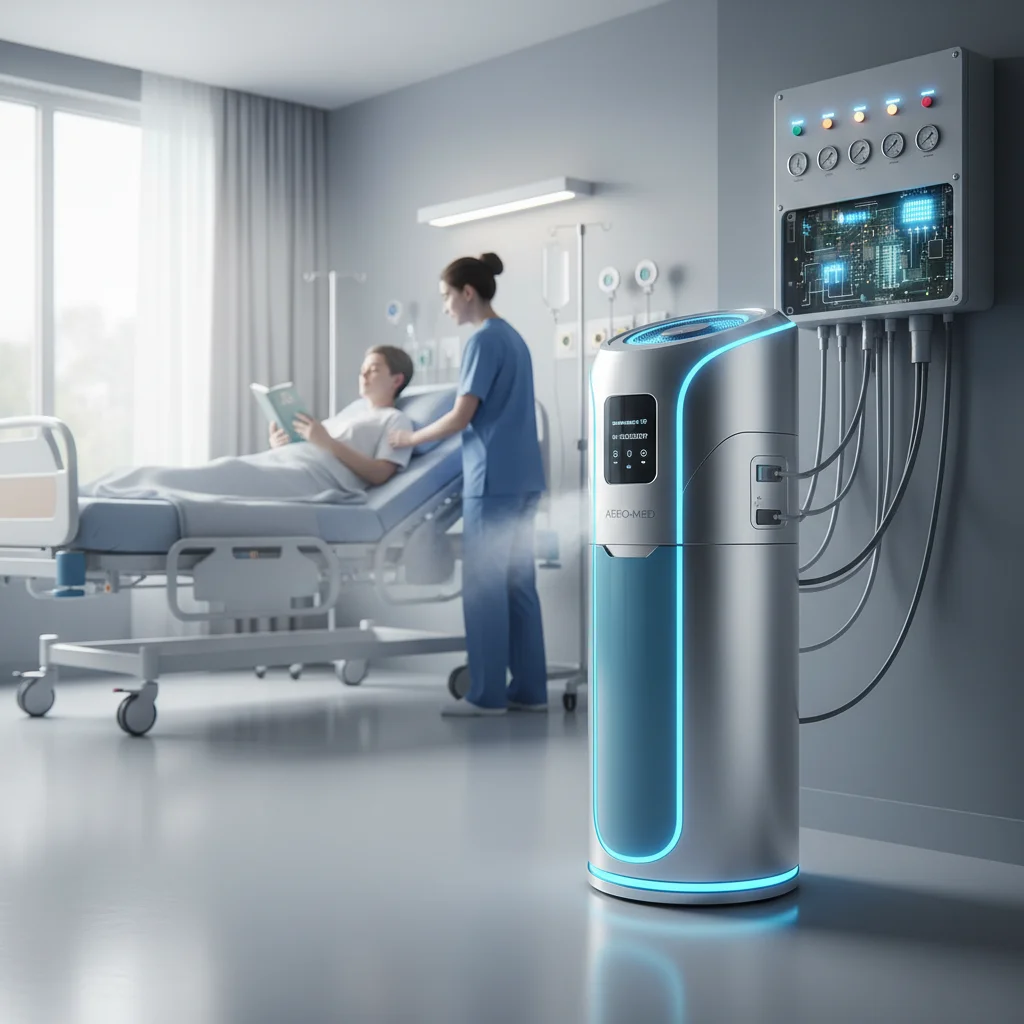
Put simply: a patient bed head unit is a modular panel positioned above or behind a hospital bed, housing utilities like electrical outlets, lighting, medical gas outlets (oxygen, vacuum), nurse call buttons, and sometimes integrated communications or data ports. It’s the interface between the patient and the hospital infrastructure, designed to keep everything needed for routine and emergency care within arm’s reach of healthcare providers.
From a design perspective, these units cater to both functionality and safety — ensuring quick access while reducing hazards from exposed wiring or hoses. For humanitarian aid or field hospitals, portable or rapidly deployable versions of these units are game changers, linking basic medical resources with patient care even in rugged conditions.
Oxygen, medical air, vacuum suction — these are essential for patient therapy, and the bed head unit often contains standardized connectors compliant with ISO 9170-1 to ensure safe, leak-free delivery.
Hospital-grade electrical sockets power devices like monitors and infusion pumps, while adjustable lighting supports examinations or patient comfort.
Integrated nurse call buttons and intercom units improve response times and patient-provider communication.
Modern units often include data and network outlets for electronic medical records systems, plus built-in circuit breakers and emergency power backups.
Often made from stainless steel or aluminum with hygienic finishes, bed head units must resist corrosion, be easy to clean, and durable to constant use.
For instance, after the 2010 Haiti earthquake, NGO field hospitals used portable patient bed head units to quickly establish oxygen and suction functions for injured patients.[3] Similarly, in parts of Sub-Saharan Africa, solar-powered units help overcome unreliable electricity supply, showing how design adapts to context.
| Specification | Standard Unit | Enhanced ICU Model |
|---|---|---|
| Medical Gas Outlets | O2, Air, Vacuum (3 ports) | O2, NO, Air, Vacuum (5 ports) |
| Electrical Sockets | 4 hospital-grade sockets | 8 hospital-grade sockets with emergency power |
| Nurse Call & Intercom | Basic nurse call button | Integrated call + intercom + alert lights |
| Dimensions (HxWxD) | 1200x500x200 mm | 1500x600x220 mm |
| Material | Powder-coated steel | Stainless steel, antimicrobial coating |
| Vendor | Product Range | Customization | Lead Time | Warranty | Typical Applications |
|---|---|---|---|---|---|
| MedEquip Co. | Basic to advanced units | High—custom ports, power options | 4-6 weeks | 5 years | Hospitals, ICUs |
| HealthTech Solutions | Modular & portable units | Medium, focus on mobile needs | 2-3 weeks | 3 years | Field hospitals, clinics |
| Global Med Systems | High-tech integrated units | Custom software and safety features | 6-8 weeks | 7 years | Specialty centers, research hospitals |
These units tend to be one of those investments you don’t think twice about after installation — but they quietly impact safety, efficiency, and even patient dignity. Having all controls nearby reduces trip hazards caused by cluttered cables and hoses. The integrated oxygen and suction lines ensure therapy is both reliable and responsive. Moreover, the design promotes better hygiene and easier cleaning.
From a sustainability viewpoint, some new units incorporate energy-saving LED lights and materials that resist microbial growth, reducing infection rates. Emotionally, patients feel reassured when everything they or their caregivers need is consolidated and easily accessible — it’s a small but meaningful facet of the healing environment.
The future is looking bright for patient bed head units. Digital integration is growing fast—with connected sensors that monitor gas flow, power consumption, and alert for faults in real time. Some manufacturers are exploring fully modular, reconfigurable panels that adapt as patient needs evolve during a hospital stay.
Also notable: eco-friendly materials and solar-powered solutions that bring power independence for remote clinics. I noticed several vendors now offer antimicrobial coatings that actively reduce surface contamination.
Automation is creeping in too, with smart lighting or alerts that sync with hospital systems, enhancing responsiveness. It feels like these units are moving beyond utility boxes into hubs of patient-centered innovation.
Still, there are hurdles. Installation in older buildings can be complex, requiring costly infrastructure upgrades. Some units impose a high upfront cost, and finding the right customization balance can be tricky.
Experts suggest pre-planning with architects and hospital engineers to integrate bed head units early in building design. Also, emerging modular and lightweight designs can reduce installation headaches and speed up deployment — something nonprofits are keen on for rapid field hospital setups.
At the end of the day, patient bed head units are the quiet champions of hospital care. They blend technology, safety, and convenience into a straightforward interface that helps caregivers keep patients comfortable, supported, and connected to critical services. Whether you’re upgrading a large hospital or setting up a remote clinic, choosing the right bed head unit will save headaches and add value for years to come.
If you’re interested in exploring high-quality, customizable units, don’t hesitate to visit patient bed head unit specialists. Trust me, it’s worth the time.