Hit enter to search or ESC to close
30 November 2025
If you’re not already familiar with the vertical bed head panel, there’s a decent chance you’ve encountered it — perhaps without realizing just how critical it is. Whether in a hospital room, a high-end hotel, or even a specialty care unit, this panel quietly anchors bedside functionality and patient comfort. Globally, as healthcare facilities and modular interiors evolve, understanding the benefits and nuances of vertical bed head panels isn’t just for engineers or architects. It’s relevant to healthcare administrators, designers, and even manufacturers looking to build safer, smarter environments.
Why does this matter? Well, healthcare infrastructure investment is soaring worldwide. The World Health Organization estimates facility upgrades, including interior fixtures, to be a significant factor in improving patient outcomes. A smart, durable, and well-designed vertical bed head panel can be a cornerstone in achieving this. Plus, with rising needs for adaptable, scalable healthcare spaces (think temporary pandemic wards or modular field hospitals), these panels come into play more than ever.
Mini takeaway: Learning about vertical bed head panels helps stakeholders build spaces that are safe, adaptable, and equipped for the demands of modern healthcare – from small clinics to large hospitals.
Healthcare infrastructure growth is roughly 5% annually worldwide — that's not chump change. Countries everywhere are investing in better patient facilities, driven by aging populations, urbanization, and technological leaps. The WHO’s health facility guidelines underscore how well-designed room components like head panels reduce infection risk and improve ergonomics for staff and patients.
But here’s the crunch: many legacy hospital designs rely on outdated or suboptimal bed head solutions, which can end up limiting the ability to retrofit equipment or integrate modern tech. Enter the vertical bed head panel — an answer to challenges like spatial constraints and wiring management.
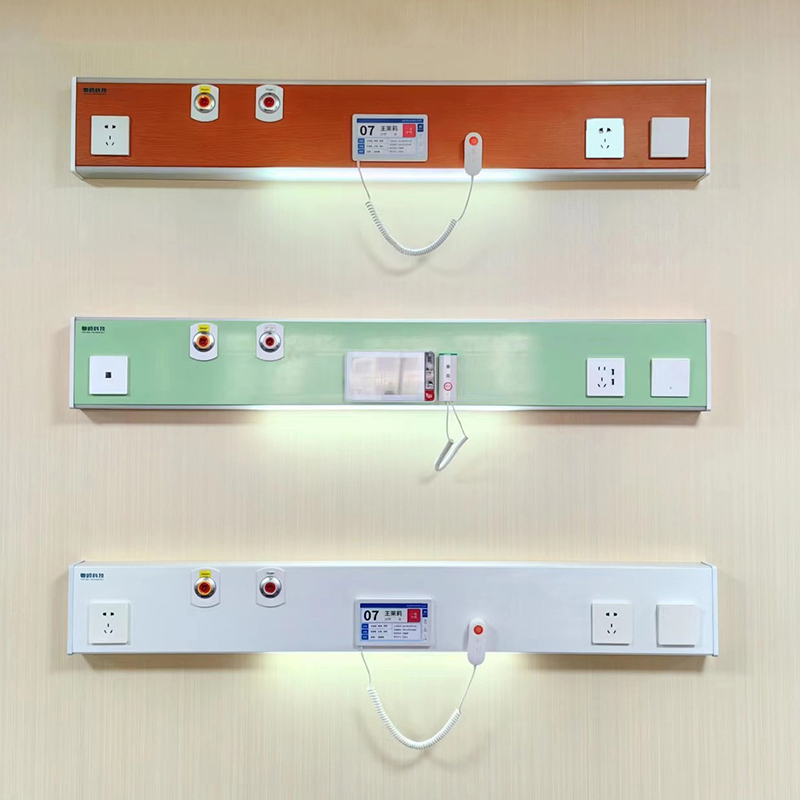
Simply put, a vertical bed head panel is a vertically oriented unit installed behind the hospital bed. It houses critical service outlets — think: oxygen supply, electrical sockets, nurse call systems, lighting controls, and sometimes even multimedia ports. In modular rooms, these panels provide neat, streamlined access to essential utilities without clutter or unsafe wiring running loose.
From a design perspective, it’s a “hub” built to optimize patient care workflows and safety. Modern vertical bed head panels also integrate infection control materials, which is big in today’s worry-heavy hospital environments.
Mini takeaway: The vertical bed head panel isn’t just a cosmetic or secondary feature; it’s the nerve center of patient room functionality.
These panels endure daily wear, frequent cleaning (sometimes with harsh disinfectants), and must resist scratches or corrosion. Many manufacturers opt for medical-grade aluminum or coated steel paired with antimicrobial laminates. It’s not glamorous, but durability here means longevity and cost savings long-term.
Flexibility is key. Panels often come in segments or with customizable slots allowing upgrades or reconfigurations as care standards evolve or tech requirements change. This scalability saves downtime and facilities renovation costs.
Oxygen and medical gas outlets are standard, but nowadays you get USB ports, LED reading lights, even monitoring hookups embedded right in. These add-ons support digital health initiatives and smarter patient engagement.
Panels designed with smooth finishes minimize dust and pathogen buildup. Plus, flush-mounted outlets reduce snags or accidental disconnections - critical in emergency scenarios.
Quick-mount systems and standardized fittings make the installer’s job much easier. Also, panels designed to open easily from the front allow routine maintenance without disrupting patients.
Mini takeaway: When spec’ing vertical bed head panels, look beyond aesthetics. It’s about wear resistance, flexibility, tech integration, and, above all, patient safety.
Healthcare is just the tip of the iceberg. Here are some real-world uses:
Oddly enough, I came across a small rehab center in Spain that completely overhauled their ward interiors to include vertical bed head panels with touch-screen nurse calls — a small upgrade that reportedly boosted staff response times significantly.
| Specification | Typical Value/Feature |
|---|---|
| Dimensions (HxWxD) | 1200mm x 400mm x 150mm (customizable) |
| Material | Powder-coated steel frame, antimicrobial laminate skin |
| Oxygen Outlets | 2–4 medical gas ports (standardized fittings) |
| Electrical Sockets | 4–6, including USB charging |
| Lighting | Integrated LED reading lights, adjustable |
| Additional Features | Nurse call buttons, multimedia ports (optional) |
| Vendor | Customization Options | Lead Time | Warranty | Price Range (USD) |
|---|---|---|---|---|
| MediPanel Pro | High - Full tech integration & colors | 4–6 weeks | 5 years | $850–$1,200 |
| HealthEquip Inc. | Medium - Standard fittings, limited finish colors | 3–5 weeks | 3 years | $650–$900 |
| ModuCare Solutions | High - Modular with digital add-ons | 5–7 weeks | 6 years | $900–$1,300 |
Looking forward, vertical bed head panels are evolving rapidly. With the healthcare sector leaning ever more into sustainability, materials like recycled composites or natural fiber laminates are popping up. Also, the integration of IoT is no longer just a buzzword; advanced panels can monitor usage, report faults, and even adjust lighting or ambient conditions automatically based on patient vitals.
Automation in installation (think plug-and-play connectors) is reducing setup times. Additionally, standards organizations such as ISO continue developing more stringent certification for medical infrastructure products, ensuring panels meet rising safety and performance regulations.
Despite all the progress, challenges remain. Cost constraints, especially in low-resource areas, limit adoption. Some retrofit scenarios struggle with compatibility issues, and occasional supply chain delays for customized components aren’t uncommon.
Innovative companies have tackled these hurdles with modular, off-the-shelf systems that require minimal technical input for installation. Plus, some vendors now offer leasing or financing options to ease capital burdens on cash-strapped facilities. Making panels easier to sanitize without damage is another ongoing focus.
In the grand tapestry of medical facility design, vertical bed head panels might seem like minor threads. But really, they bind together patient needs, technological integration, and practical space management in one neat package. Investing in quality panels today means more adaptable, safer care environments tomorrow. Whether for a sprawling urban hospital or a remote field clinic, these panels are quietly earning their spot as essential fixtures of modern healthcare.
Need to explore options or get tailored advice? Visit our site at https://www.storeoxygen.com and let’s make your care spaces smarter.
References:
1. World Health Organization - Health Facility Guidelines: WHO Health Facilities
2. ISO Medical Infrastructure Standards: ISO 13485
3. Médecins Sans Frontières Field Hospital Reports, 2022