Hit enter to search or ESC to close
30 November 2025
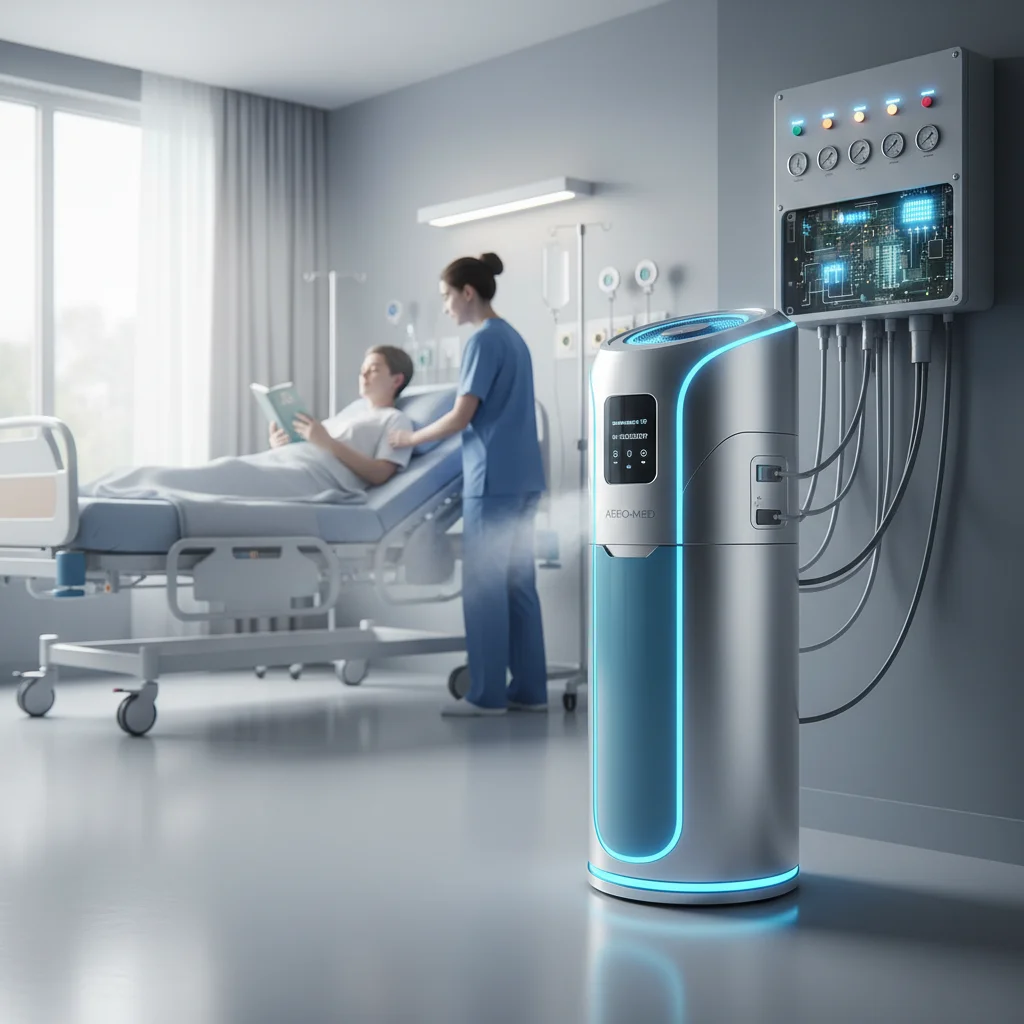
If you’ve ever peeked into a modern hospital room, you might notice a sleek panel hovering behind the patient’s bed — this is often the oxygen bed head panel, an unsung hero in healthcare settings around the world. Now, why pay attention to this particular component? It’s because the oxygen bed head panel is a pivotal element in delivering critical medical gases directly to patients, supporting life in intensive care units, emergency wards, and even temporary medical centers built in disaster zones.
Given the increasing global health challenges — from pandemics to natural disasters — understanding the features and advantages of oxygen bed head panels isn't just technical mumbo jumbo; it translates into real-world benefits: faster healthcare response, safer patient treatment, and scalable medical infrastructure. We're seeing a rising demand for oxygen delivery systems worldwide, and the bed head panel plays a central role by connecting oxygen supply with bedside care efficiently.
Globally, healthcare facilities grapple with providing reliable oxygen delivery systems amid resource constraints and rising patient volumes. According to the World Health Organization, medical oxygen demand surged by over 30% in recent years, mainly driven by respiratory illnesses and COVID-19-related treatments. An efficiently designed oxygen bed head panel responds to this surge by streamlining gas delivery at critical points of care.
Hospitals in both high-income countries and low-resource settings rely on these panels. For instance, the WHO highlights that oxygen therapy can reduce mortality in pneumonia by 35%. It only makes sense that accessibility directly at the bedside boosts patient outcomes dramatically.
But here’s the catch: outdated or improvised setups often cause delays or unsafe oxygen delivery. The oxygen bed head panel addresses this problem, letting medical teams focus on treatment rather than technical hiccups.
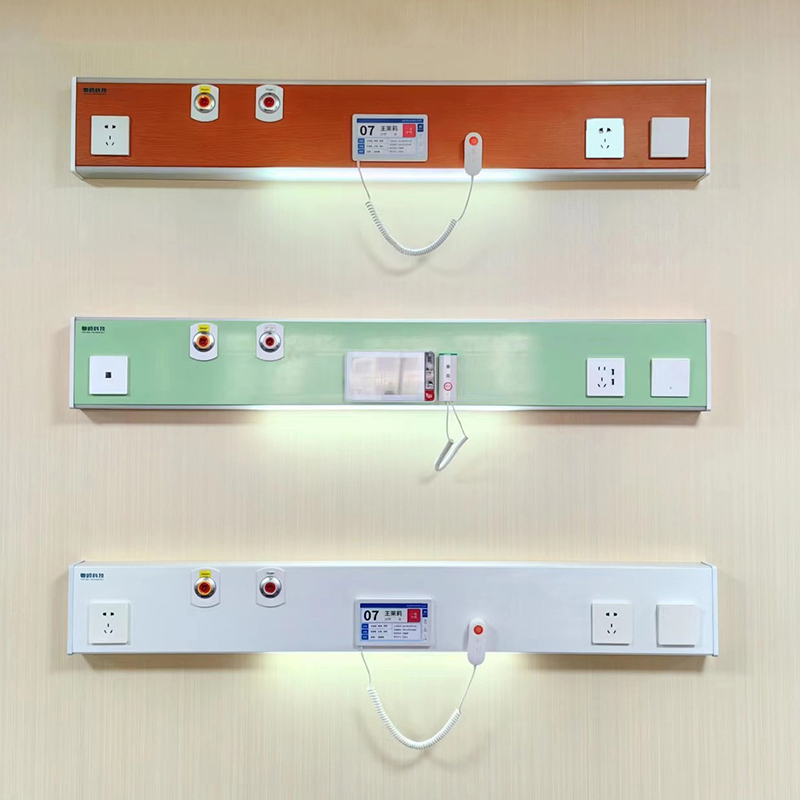
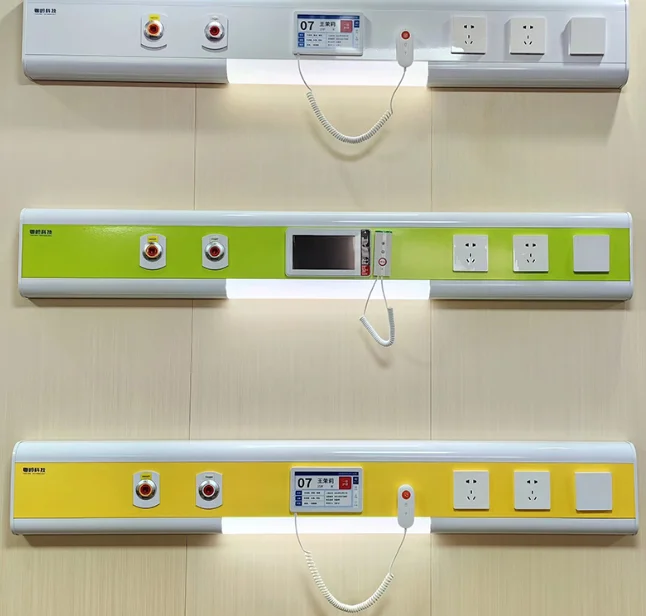
Simply put, an oxygen bed head panel is a unit mounted above or beside a hospital bed that delivers medical gases — primarily oxygen — and sometimes vacuum and air, directly to the patient’s vicinity through an array of outlets. This panel interfaces with the hospital’s central gas supply network, acting as the immediate gas “hub” surgeons, nurses, and respiratory therapists use for safe and precise care.
Linking infrastructure to intensive care, these panels are designed with safety, hygiene, and ergonomic use in mind. They’re critical for modern healthcare setups, ranging from permanent wards in urban hospitals to rapid deployment field facilities after a disaster.
These are the sockets where oxygen (and other relevant gases) flow out. You’ll often find standardized connections for oxygen, medical air, and suction, making sure healthcare providers can quickly hook up the right equipment.
Automatic shutoffs and pressure regulators prevent dangerous fluctuations and ensure continuous, controlled gas delivery — crucial when patient lives hang in the balance.
Many panels incorporate power outlets and LED lighting to aid medical procedures at the bedside. This helps avoid fumbling for external power or light sources in tense moments.
Panels are typically made from robust, easy-to-clean materials like stainless steel and ABS plastics, helping ward off infection risks and withstand daily wear.
Modern oxygen bed head panels come with configurable modules, allowing healthcare facilities to customize outlets, power sources, and monitors according to their specific needs — quite useful when expanding wards or reconfiguring layouts.
Where do oxygen bed head panels truly shine? Well, the list is extensive but here are some notable examples:
In one case, a hospital in rural Kenya switched to modular oxygen bed head panels in their COVID-19 wards. The upgrade improved gas delivery reliability and freed staff from manual oxygen tank swaps — a small change with a big impact.
| Specification | Typical Value/Feature |
|---|---|
| Gas Outlets | Oxygen, Medical Air, Vacuum, Nitrous Oxide (optional) |
| Material | Stainless Steel, ABS Plastic |
| Pressure Range | 4 to 6 bar (regulated) |
| Electrical Outlets | 2 to 4 Power Sockets, LED Lighting |
| Warranty | 3-5 years standard |
| Vendor | Customization | Price Range | Lead Time | Warranty |
|---|---|---|---|---|
| MedGas Solutions | High (modular components) | $$$ | 4-6 weeks | 5 years |
| Global Health Tech | Medium (fixed options) | $$ | 3-5 weeks | 3 years |
| CareMed Industries | Low (standardized) | $ | 2-3 weeks | 2 years |
Yes, the primary purpose is oxygen delivery, but the benefits spill far beyond:
Oxygen bed head panels aren’t going to stay static. Engineers are weaving in digital monitoring, remote diagnosis, and IoT smart sensors that track oxygen flow and usage in real time. Some futuristic models are integrating green energy sources, such as solar-powered lighting and sustainable materials certified by ISO standards.
Automated shutoffs, voice-controlled interfaces, and adaptability for mobile hospital units signal a future where these panels not only deliver oxygen but also actively contribute to smarter health infrastructure.
Despite the advantages, the oxygen bed head panel system faces challenges:
Still, innovative solutions like plug-and-play designs and online training modules are gaining traction — making it easier for hospitals everywhere, especially in emerging markets, to upgrade infrastructure.
A1: It centralizes oxygen and gas delivery right at the patient’s bedside, enabling quick, safe connection to life-saving equipment. This reduces response time and helps maintain consistent oxygen flow, which is crucial in emergencies.
A2: Yes! Many vendors offer modular designs allowing configuration of gas outlets, electrical sockets, and lighting to meet specific clinical requirements, making them versatile for various healthcare settings.
A3: Installation time varies but typically ranges between a few days to a couple of weeks, depending on the complexity of wiring, plumbing, and building infrastructure adaptations required.
A4: Absolutely. Portable and modular oxygen bed head panels are designed specifically for rapid deployment in field or disaster hospitals, providing critical gas delivery in challenging environments.
In essence, oxygen bed head panels may not grab headlines, but they form the backbone of effective, safe, and efficient care. Their role in improving patient outcomes, streamlining hospital operations, and adapting to global health needs is unquestionable. If you’re in the field or healthcare management, investing time into understanding these components can pay dividends.
Curious to find out more or source quality oxygen bed head panels tailored for your needs? Visit our website oxygen bed head panel for detailed product info and expert support.