Hit enter to search or ESC to close
1 December 2025
If you've ever imagined a room where oxygen levels can be cranked up higher than normal air, that's essentially an oxygen chamber. These devices are more than just medical gadgets—they're critical tools globally across healthcare, industrial safety, and emergency relief sectors. Understanding oxygen chambers and their applications is important because they help save lives, support worker safety, and even accelerate healing in ways that ordinary environments simply can't match.
It might sound niche, but their global importance is reflected in growing demand worldwide. For example, the World Health Organization notes rising needs for hyperbaric oxygen therapy in wound care and decompression sickness treatment, while industries in remote or hazardous locations depend on oxygen chambers for emergency and operational safety.
Mini takeaway: Oxygen chambers play a quiet yet vital role worldwide—from hospitals to industrial sites—boosting safety and health with controlled oxygen environments.
Data from the United Nations and industry reports suggest a sharp rise in chronic illnesses and industrial accidents globally, boosting reliance on technologies like oxygen chambers. In fact, ISO standards increasingly address the design and maintenance of pressurized oxygen environments to ensure safety. Similarly, remote mining operations or oil rigs in harsh climates use oxygen chambers for emergency interventions—often lifesaving in isolated settings.
One key global challenge oxygen chambers address is hypoxia—the deficiency of oxygen reaching tissues. Hypoxia is common in high-altitude regions or enclosed industrial environments where normal breathing is compromised. Oxygen chambers deliver hyperbaric oxygen therapy, pumping pure oxygen at elevated pressures, vastly improving outcomes for patients and workers alike.
Mini takeaway: Given global health and industrial challenges, oxygen chambers have evolved from specialized units to essential infrastructure in diverse settings.
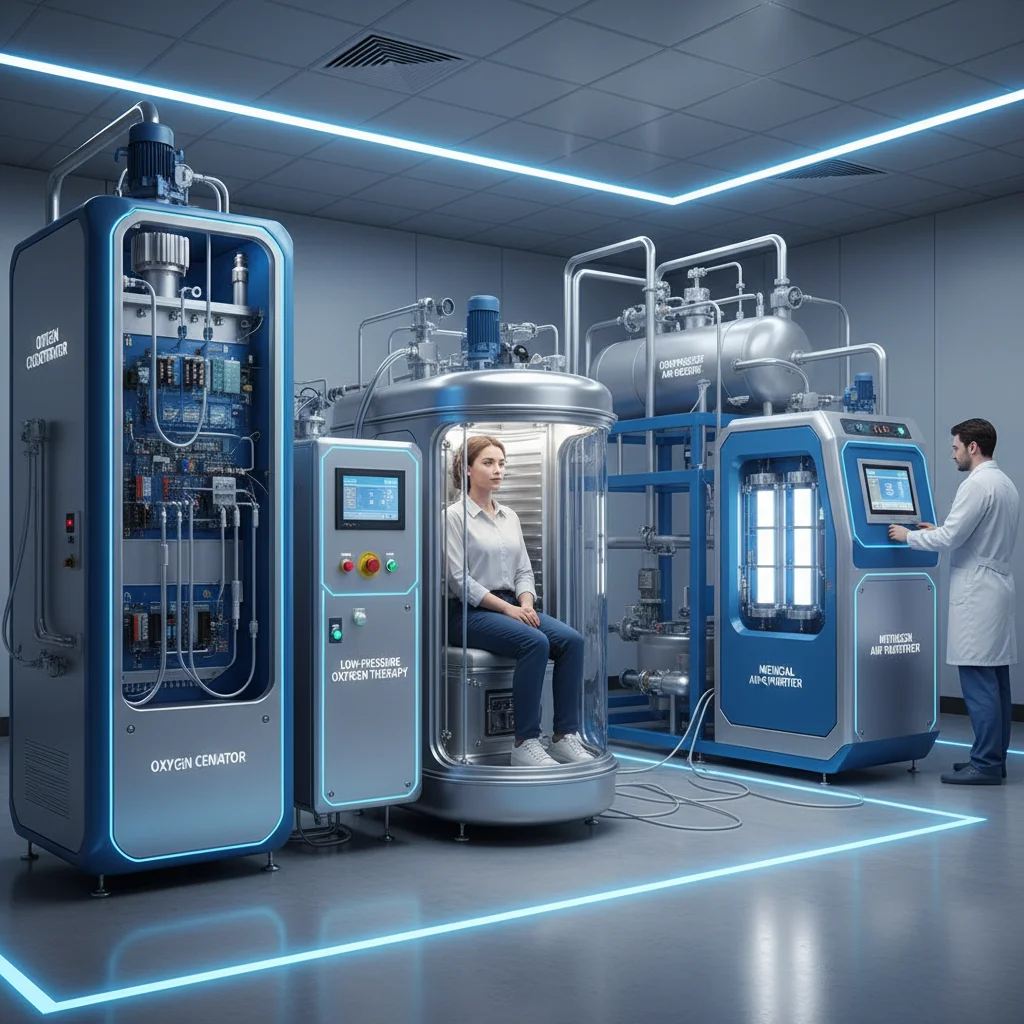
Simply put, an oxygen chamber is a sealed space where oxygen concentration is artificially increased above normal atmospheric levels, often under higher pressure. This boosts oxygen absorption into the bloodstream beyond what regular breathing can achieve. Think of it like a turbocharger for your lungs.
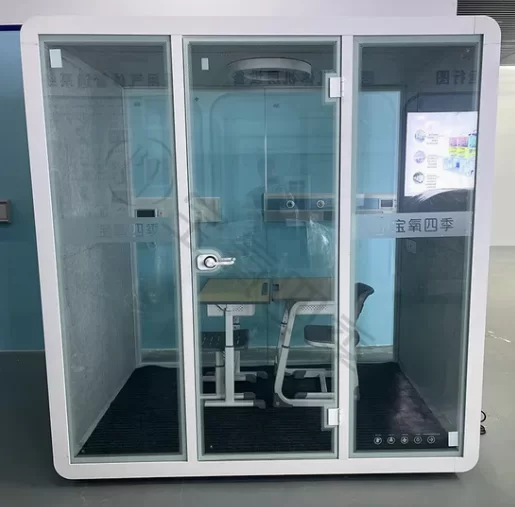
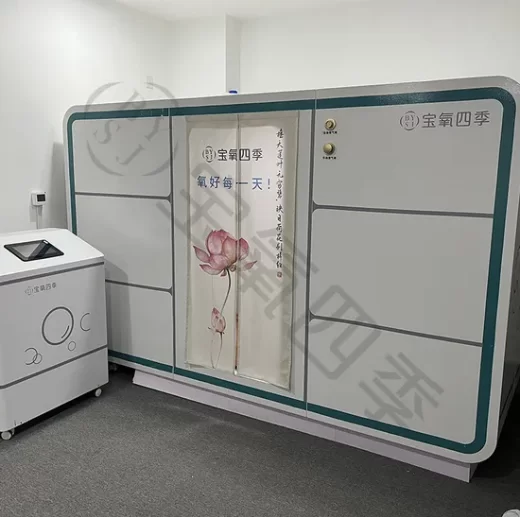
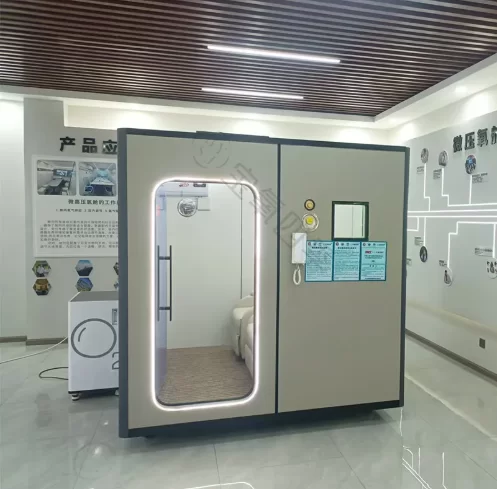
Modern oxygen chambers vary—some are small enough for one patient; others are large units used in industrial sites or even portable models for emergency responders. Their connection to industries ranges from medical treatment (e.g., treating decompression sickness or stubborn wounds) to industrial safety—for example, providing breathable air in hazardous zones or during rescue missions.
Mini takeaway: At its core, an oxygen chamber creates a controlled environment with enriched oxygen to promote health, safety, and recovery.
Oxygen chambers must be built to stringent safety standards due to the risks inherent in enriched oxygen atmospheres—fire hazards, pressure integrity, contamination control. Materials often include reinforced metals and specialized seals designed to prevent leaks and ensure long-term reliability.
Depending on the use case, chambers range from compact, portable units for field rescue teams to large, multi-person chambers in hospital settings. Some manufacturers now focus on modular designs that can be expanded or transported easily, which is a boon for disaster relief and remote industrial operations.
Initial investment can vary widely: simple hyperbaric chambers for a clinic might be relatively affordable, but industrial-grade chambers with advanced controls are pricier. However, cost must be balanced against long-term savings in improved health outcomes, faster rescue operations, and reduced downtime.
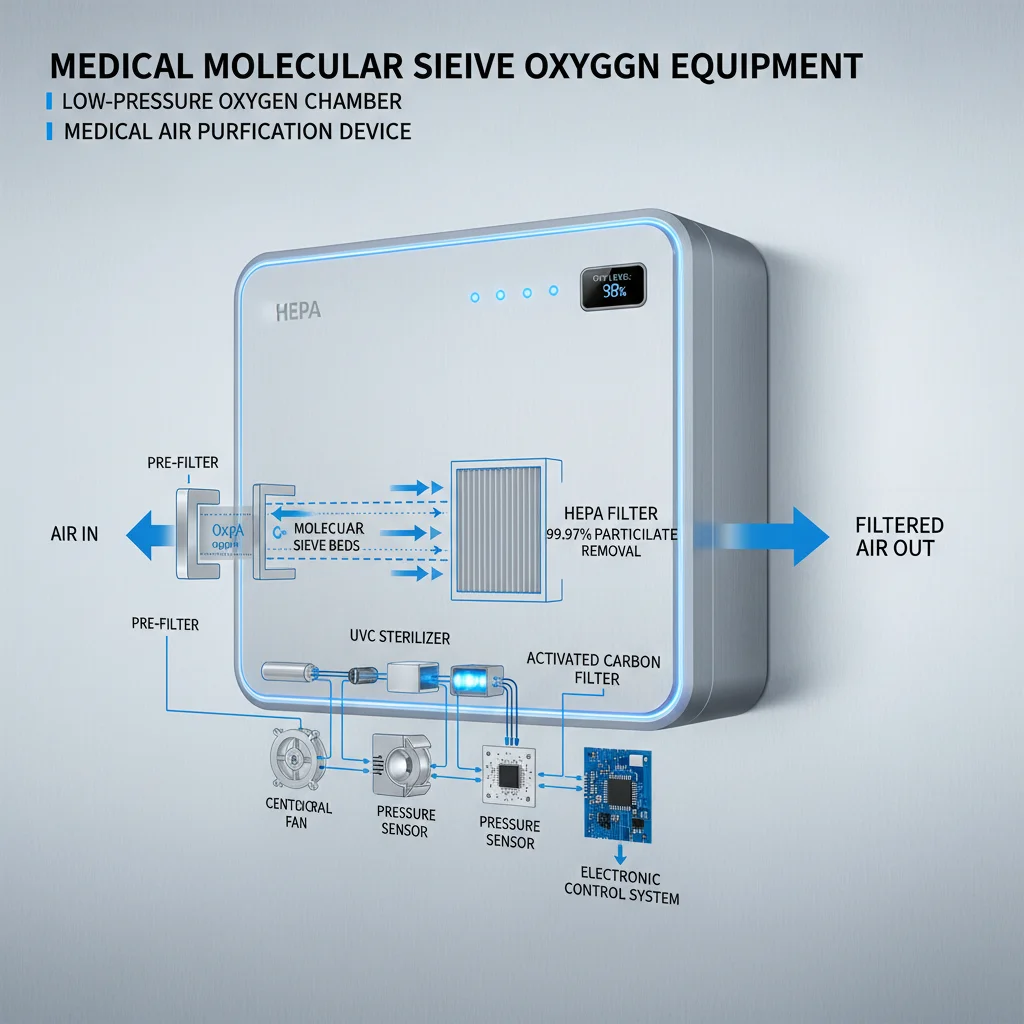
Modern chambers often include digital controls, monitoring sensors for oxygen concentration and pressure, and safety alarms. Integration with medical devices or emergency communication systems improves usability and reliability.
Oxygen chambers must comply with international regulations like ISO 13485 for medical devices or specific industrial safety codes. This compliance ensures quality, safety, and interoperability worldwide.
Mini takeaway: Choosing the right oxygen chamber means understanding durability, scalability, features, cost, and compliance all together—no single factor works in isolation.
| Specification | Detail |
|---|---|
| Chamber Type | Single-patient, monoplace |
| Pressure Range | 1.5 to 3 ATM (atmospheres) |
| Oxygen Concentration | Up to 100% pure oxygen |
| Internal Dimensions | 2.4m length × 0.8m diameter |
| Control System | Digital touch panel with alarms |
| Power Requirement | 110–240V AC, 400W |
Oxygen chambers are literally lifesavers across diverse global contexts:
For instance, the Red Cross has deployed portable oxygen chambers in disaster-hit areas to stabilize patients until they can get to permanent care. It’s a classic example of technology meeting humanitarian urgency.
Mini takeaway: Across continents and crises, oxygen chambers bridge the gap between injury or illness and recovery, even when time and access are tight.
The benefits of oxygen chambers aren’t just about enriched air:
Mini takeaway: Oxygen chambers combine the practical with the emotional, saving money and lives—and that’s a genuine win-win.
Frankly, the oxygen chamber field is buzzing with developments:
It feels like oxygen chambers are ready to become more accessible and efficient than ever. The digital and environmental push is just the start.
Mini takeaway: Sooner than later, expect oxygen chambers to be smarter, greener, and more flexible—ready for the challenges tomorrow throws at us.
Of course, no technology is without its hurdles:
Overall, the direction is clear: smarter management and innovative funding are smoothing the path forward.
Mini takeaway: Challenges remain but aren’t insurmountable—creative designs and processes are steadily improving usability and safety.
| Vendor | Product Range | Innovation Highlights | Global Reach | Typical Price Range |
|---|---|---|---|---|
| OxySmart Inc. | Medical & Industrial chambers | AI monitoring, solar-powered units | North America, Europe, Asia | $25,000 - $150,000 |
| HyperAir Solutions | Portable emergency chambers | Lightweight composites, VR training | Global, with focus on disaster zones | $18,000 - $90,000 |
| AeroSafe Tech | Industrial-grade chambers | Enhanced fire safety systems | Asia-Pacific & Middle East | $30,000 - $200,000 |
When you consider the blend of life-saving potential, industrial safety impact, and future-friendly innovations, oxygen chambers have quietly become indispensable. They offer an impressive combination of technical sophistication and practical benefit across sectors. For anyone involved in healthcare, industrial safety, or emergency logistics, getting to know oxygen chambers isn't just an option—it's becoming a necessity.
Feeling curious to explore oxygen chambers further? Check out more details and product options at our oxygen chamber collection. You might find exactly what your operation or community needs before you even realized it.