Hit enter to search or ESC to close
1 December 2025
Ever heard of a hyperbaric chamber? It’s one of those fascinating technologies that quietly but profoundly impacts health, industry, and global emergency response. At its core, a hyperbaric chamber is a pressurized environment that delivers pure oxygen – well beyond what we get at regular atmospheric pressure. That extra oxygen may sound simple, but it powers treatment of tough medical conditions and supports life-saving interventions worldwide. Understanding this technology isn’t just for specialists — it’s essential as we face challenges like industrial accidents, chronic wounds, or even lingering effects from carbon monoxide poisoning.
Globally, tens of thousands of hyperbaric chambers assist patients and industrial workers. The UN's increasing focus on health infrastructure improvements in remote areas further spotlights the chamber’s growing importance. Knowing how they work and where they fit can open doors for innovations and better healthcare strategies.
Mini takeaway: Hyperbaric chambers aren’t just niche medical gadgets – they’re vital global tools for boosting oxygen therapy and saving lives under pressure.
The world today is complex — pollution, aging populations, and industrial risks create a pressing need for advanced medical support systems. According to WHO data, chronic wounds affect millions globally, and some recover slowly without intervention. Hyperbaric oxygen therapy (HBOT) administered inside these chambers accelerates healing by flooding the body with oxygen at pressures up to 3 atmospheres. This not only helps wounds but improves outcomes for stroke, decompression sickness (in divers), and serious infections.
Interestingly, the World Bank reports that access to advanced medical tech is still uneven, with rural and developing areas lagging. Here’s the snag – hyperbaric chambers require infrastructure investment, technical skills, and maintenance that aren't just plug-and-play. But initiatives by NGOs and governments are slowly changing that, especially in Asia-Pacific and parts of Africa.
Mini takeaway: Hyperbaric chambers address pressing health and industry needs, but equitable access remains a key challenge.
If you’ve ever been on a flight, you know how cabin pressure changes can affect your ears. Now imagine stepping into an airtight room where pressure is deliberately increased and oxygen levels raised above normal. That’s a hyperbaric chamber in a nutshell. Patients breathe nearly 100% oxygen at pressures typically between 1.5 to 3 times atmospheric pressure, enhancing oxygen dissolution in blood plasma – sort of like turbocharging your body’s healing power.
Medicinally, it’s employed in hospitals and specialty clinics. Industrially, it’s crucial for divers in deep-sea operations, preventing “the bends” when surfacing too fast. Even in humanitarian work, portable hyperbaric chambers provide stabilization to treat poisonings or severe trauma where standard clinics aren't nearby.
Mini takeaway: Think of the hyperbaric chamber as a special pressure chamber that raises oxygen levels for healing and protection.
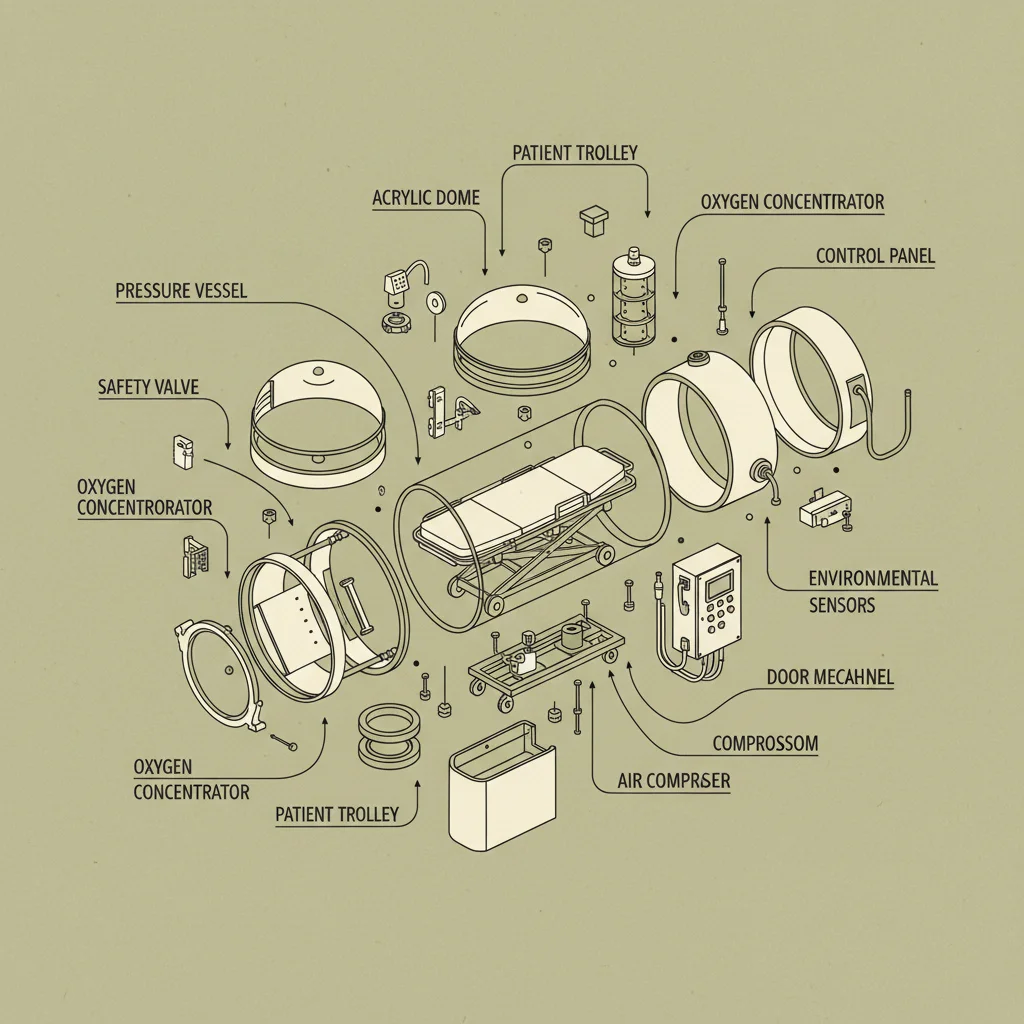
Pressure regulation is everything here. Reliable monitoring systems prevent over-pressurization and maintain therapeutic standards. Safety valves, alarms, and communication panels are non-negotiable — many engineers stress that quality hardware reduces risks significantly.
These chambers must withstand high internal pressures without leaks. Most use aerospace-grade steel or reinforced acrylic for clear visibility. Durability ensures repeatability — you want a chamber that lasts years under constant cycling.
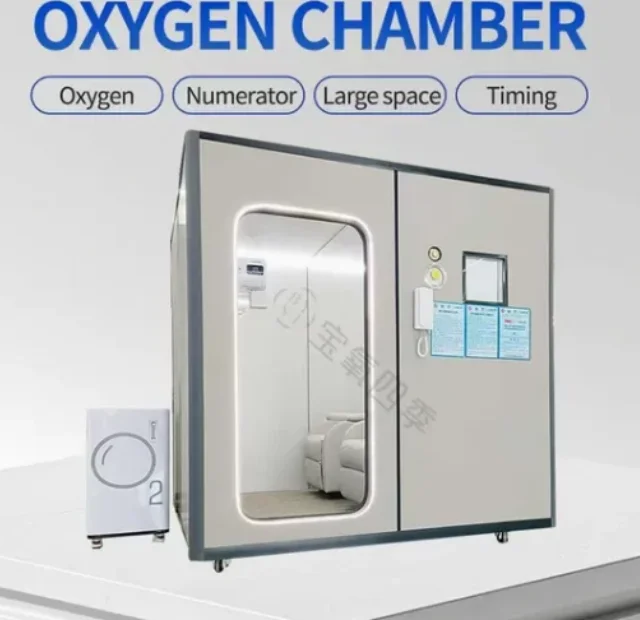
Hyperbaric chambers can be monoplace (single person) or multiplace (multiple patients). Size impacts cost, portability, and application flexibility — portable units are ideal for fieldwork, while hospital units suit long treatments.
Whether through masks or enclosed environment breathing, efficient oxygen delivery ensures patients get 100% oxygen concentration during therapy. Integrated sensors track oxygen flow rates and purity continuously.
Modern chambers integrate digital controls with real-time vitals monitoring, pressure readouts, and emergency communication. Intuitive interfaces reduce training time.
| Feature | Specification |
|---|---|
| Type | Multipurpose monoplace |
| Working Pressure | 2.5 ATA (atmospheres absolute) |
| Material | Steel shell + acrylic window |
| Oxygen Delivery | Closed-circuit mask system |
| Capacity | 1 adult patient |
| Safety Features | Pressure relief valves, emergency release |
Mini takeaway: When choosing a hyperbaric chamber, things like pressure range, materials, and safety systems are the real deal.
From the coral reefs of Australia to bustling cities in Europe, hyperbaric chambers find applications in diverse spaces:
Take, for instance, the post-typhoon relief in the Philippines where portable hyperbaric chambers stabilized victims with respiratory distress before evacuation. Or offshore oil rigs where HBOT is a standard for dealing with dive-related injuries. These examples barely scrape the surface but highlight the versatility of the chamber.
Mini takeaway: Hyperbaric chambers truly stretch across sectors—medicine, industry, emergency aid—making them indispensable globally.
It’s not just about immediate healing. The benefits ripple outward:
As one clinician put it, “HBOT isn't just a treatment; it gives patients back their dignity and hope.” That emotional value is as vital as the scientific one, especially when you think about communities in struggling healthcare systems.
| Vendor | Model | Price Range | Capacity | Portability |
|---|---|---|---|---|
| OxyHeal | OxyPro 3000 | $40,000-$50,000 | Single patient | Stationary |
| DiveSafe | DS Portable HB | $25,000-$35,000 | Single patient | Portable |
| MediPress | MP Multi 6 | $200,000-$275,000 | Up to 6 patients | Stationary |
We’re on the cusp of a few exciting trends in the hyperbaric chamber space. First, the push for greener, energy-efficient units is gaining ground — running these chambers without heavy carbon footprints is a win-win for hospitals. Digital twin simulations and AI-guided therapy protocols could optimize treatment plans in real time, improving outcomes and reducing errors.
Also, modular and portable designs are evolving fast, spurred by urgent field needs in humanitarian crises. Imagine a compact chamber you could fly into hard-to-reach regions, deploy quickly, and maintain easily. Plus, there’s growing interest in combining HBOT with emerging therapies like stem cell treatments for regenerative medicine — somewhat sci-fi today but closer than you think.
Mini takeaway: Expect smarter, greener, and more accessible hyperbaric chambers soon — tech will continue expanding their lifesaving reach.Several hurdles remain: costs can be high for advanced models; maintenance requires trained technicians; and patient accessibility is still limited in many regions. Oxygen supply logistics, particularly during crises, pose challenges too.
Innovators focus on cost reduction through standardized manufacturing, remote monitoring for predictive maintenance, and better training modules for operators. NGOs partnering with local governments have also proven successful in widening access — combining expertise, funding, and community engagement to “get chambers where they’re needed most.”
A typical session lasts anywhere between 60 to 120 minutes, depending on the medical condition and treatment protocol. Most patients undergo multiple sessions over several weeks for best results.
Not quite. Operating a hyperbaric chamber needs certified technicians, proper safety procedures, and adherence to medical protocols. Facilities usually require a dedicated HBOT unit or collaboration with specialists.
Portable chambers are great for stabilization and field use but typically have lower pressure limits and capacity compared to hospital-grade units. They serve well in emergencies but longer treatments favor stationary units.
When conducted under medical supervision with proper equipment, HBOT is generally safe. Side effects are rare but can include ear barotrauma or fatigue. Strict adherence to protocols mitigates risks.
Many vendors offer export-friendly models with compliance documentation. NGOs or healthcare providers often coordinate with suppliers, customs brokers, and local authorities to ensure smooth import and installation.
Whether you’re a healthcare admin aiming to upgrade your hospital, a charity working in disaster zones, or a curious engineer interested in medical tech trends, understanding the value and function of the hyperbaric chamber is crucial. This tech enhances healing, supports industrial safety, and even opens futuristic treatment pathways. The global momentum behind hyperbaric chambers reflects real needs—oxygen, pressure, care—and a relentless push for better outcomes.
If you’re ready to explore options or simply want to dig deeper, visit our website for the latest models, expert advice, and, frankly, some good old-fashioned inspiration.