Hit enter to search or ESC to close
1 December 2025
I was recently struck by how this simple piece of technology—the hyperbaric oxygen chamber—has quietly found its way into everything from medical clinics to remote industrial sites. In essence, it’s a sealed chamber where you breathe pure oxygen under higher-than-normal atmospheric pressures. Sounds straightforward, right? But the global importance of this tech is really growing, especially as we confront more complex health challenges and environmental conditions.
Why does this matter? Well, more people need advanced treatments for wounds, decompression sickness, and infections, especially where traditional therapies fail. Plus, industries like diving, aerospace, and disaster relief increasingly rely on it. Understanding the benefits and intricacies of hyperbaric oxygen chambers is kind of like tapping into a well of potential for saving lives and boosting recovery worldwide.
Globally, chronic wounds and infections affect hundreds of millions—think diabetic foot ulcers alone impacting roughly 10% of diabetic patients worldwide, according to the World Health Organization. Add to that divers and astronauts facing decompression sickness, and you see why hyperbaric oxygen chambers are no longer niche.
Industrial safety standards, backed by organizations like the International Organization for Standardization (ISO), have increasingly incorporated hyperbaric treatments. In remote or disaster-stricken zones, getting oxygen therapy on-site is a game changer. The UN’s focus on improving health outcomes in underserved regions aligns closely with access to such medical technology.
To be frank, without hyperbaric oxygen chambers, many industries and health systems would face huge challenges managing complications from wounds and oxygen-deprivation injuries.
At its core, a hyperbaric oxygen chamber is a pressurized vessel where patients inhale pure oxygen at pressures higher than atmospheric pressure—usually between 1.5 and 3 times normal pressure. This increases the amount of oxygen dissolved in the blood plasma, accelerating healing processes and combating anaerobic bacteria.
They're used in modern medicine for conditions like carbon monoxide poisoning, stubborn infections, and radiation tissue damage. Beyond hospitals, they serve explorers, rescue teams, and industrial workers dealing with pressure-related challenges.
Probably the heart of the chamber. It needs to maintain precise, stable pressures—usually measured in atmospheres absolute (ATA). Modern chambers use computerized systems to balance oxygen concentration and pressure safely while monitoring patient vitals.
Chambers are crafted from robust metals like steel or aluminum alloys or acrylic for windows, designed to withstand repetitive pressurization cycles. Safety valves, emergency exits, and fire suppression are non-negotiable features.
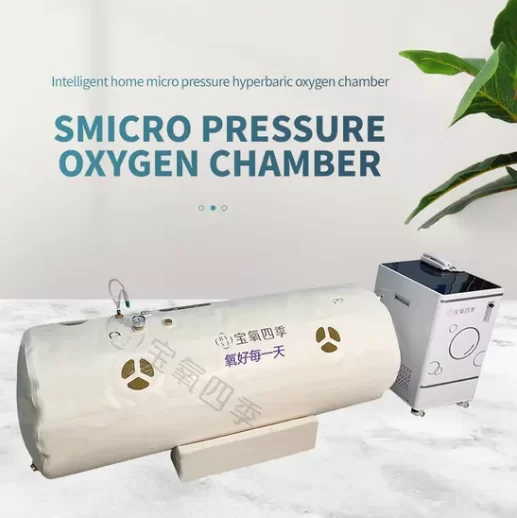
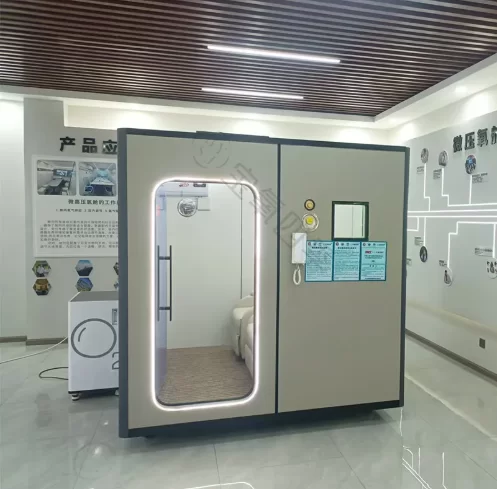
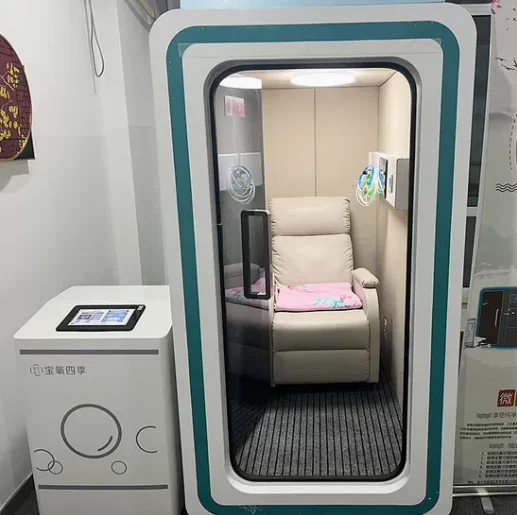
Chambers vary widely—from single-person “monoplace” models to larger multi-seat “multiplace” chambers that can treat several patients simultaneously. This flexibility enables use in hospitals or deployed field units for disaster response.
Comfort and control are key—patients often spend 60-90 minutes per session. Digital controls, communication systems inside the chamber, and clear pressure gauges improve treatment reliability and patient experience.
Lightweight, modular chambers designed for quick setup have revolutionized emergency care in remote regions. Some are transportable by truck or aircraft, others fold or break down for compact shipping.
| Specification | Typical Range | Notes |
|---|---|---|
| Pressure Range | 1.5 - 3 ATA | Standard therapeutic pressures |
| Oxygen Concentration | 90% - 100% | Maintained via oxygen delivery system |
| Capacity | 1 - 10+ patients | Dependent on design, size |
| Material | Steel, Aluminum, Acrylic | Durability and visibility considerations |
| Weight | 200 kg - 2000 kg+ | Depends on portability and size |
In hospitals across Europe and North America, hyperbaric chambers are standard for treating non-healing wounds and carbon monoxide poisoning. Oddly enough, in places like Australia and the Pacific Islands, they’re also critical for diving medicine—where rapid decompression sickness occurs.
In disaster zones such as Haiti or parts of Southeast Asia after typhoons, portable chambers have helped victims with crush injuries or infections where traditional hospitals are inaccessible. Industrially, offshore oil rigs and mining operations deploy them on-site to support workers after pressure injuries or gas exposures.
Even NASA has explored hyperbaric oxygen therapy for space missions to mitigate the effects of low oxygen and enhance healing post-mission.
I find that behind the technical specs, there’s a human story in every chamber—a patient breathing easier, a worker safely returning home. That’s worth a lot.
Technology marches on. The next-gen chambers are targeting energy efficiency, using green materials, smarter digital interfaces, and enhanced telemetry for remote monitoring. Imagine a hyperbaric session controlled partly via AI algorithms that adjust pressure dynamically, or solar-powered setups perfect for off-grid clinics.
Policy-wise, the World Health Organization is pushing for wider access in low-income countries, possibly integrating hyperbaric therapy into disaster preparedness standards globally.
There are hurdles: high costs, bulky designs, risks of oxygen toxicity or fire, and training gaps for operators. Yet, incremental improvements in design, modular construction, and rigorous international standards (think ISO 13485 for medical devices) are addressing these barriers steadily.
Many developers focus on hybrid oxygen control systems and lightweight composites for portability—making chambers more affordable and easier to deploy where they’re needed most.
The blend of science, engineering, and empathy in hyperbaric oxygen chambers is, frankly, inspiring. They compress more than just air; they compress time for healing and broaden hope for recovery. In a world where medical needs and industrial challenges are evolving quickly, these chambers stand poised to offer steady solutions.
Curious to learn more or ready to explore options? Visit our website for the latest chambers and expert advice.
| Vendor | Model | Capacity | Portability | Price Range |
|---|---|---|---|---|
| OxyMed Solutions | OxyMax-3 | 3 patients | Semi-portable, modular | $45,000 - $60,000 |
| HyperAir Tech | HA-1 Monoplace | 1 patient | Portable | $25,000 - $35,000 |
| Global Chamber Corp | GCC Multi-10 | 10+ patients | Stationary | $120,000 - $150,000 |
Exploring hyperbaric oxygen chambers has been a fascinating dive into a world where pressure, oxygen, and medical science intersect. Whether for emergency relief or everyday clinical use, these chambers embody advanced healing potential that’s only going to expand. The technology may feel clinical, but its impact is deeply human.