Hit enter to search or ESC to close
1 December 2025
If you haven’t stumbled across the term “micro oxygen chamber” recently, don’t worry — you’re not alone. But this handy little innovation has quietly been gaining traction in sectors like medical fields, remote industrial sites, and disaster relief efforts. In nutshell, a micro oxygen chamber is a compact, controlled environment that supplies concentrated oxygen in a highly efficient and portable way. Its importance is growing as healthcare demands and emergency preparedness become more critical worldwide.
Globally, respiratory health issues affect hundreds of millions — chronic obstructive pulmonary disease (COPD) and pneumonia among them, according to the WHO. Providing oxygen therapy efficiently can be the difference between life and death. Enter micro oxygen chambers — designed for scalability, mobility, and targeted oxygen delivery, making treatment more accessible in resource-limited settings.
Mini takeaway: The micro oxygen chamber is this neat, portable oxygen delivery system that’s stepping up to address global health and emergency oxygen needs with unprecedented adaptability.
Worldwide, oxygen therapy is crucial but often hampered by delivery inefficiencies or infrastructure gaps. To put it in perspective, UN data shows that lower-income countries lose thousands annually due to inadequate oxygen availability, especially during emergencies or disease outbreaks. According to ISO guidelines on medical oxygen equipment, ensuring safety and consistent flow is non-negotiable — which micro oxygen chambers aim to satisfy through their design.
Meanwhile, the COVID-19 pandemic underscored the fragility of oxygen supply chains. Hospitals in remote regions struggled amid surging demand, underscoring the need for small-scale, dependable oxygen sources that don’t rely on bulky cylinders or centralized plants.
In that light, the micro oxygen chamber provides an elegant solution — tight control, portability, and ease of deployment — whether in a field hospital or an industrial first-aid station hundreds of kilometers from the nearest city.
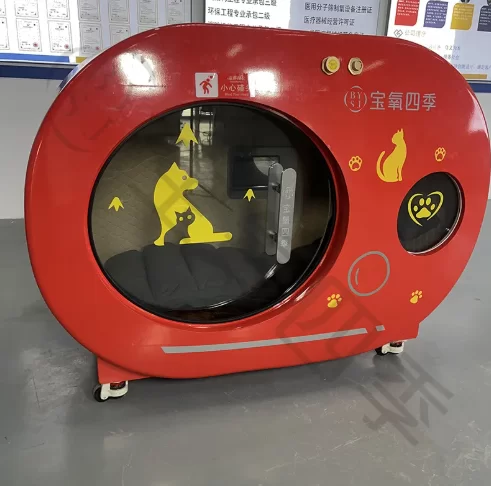
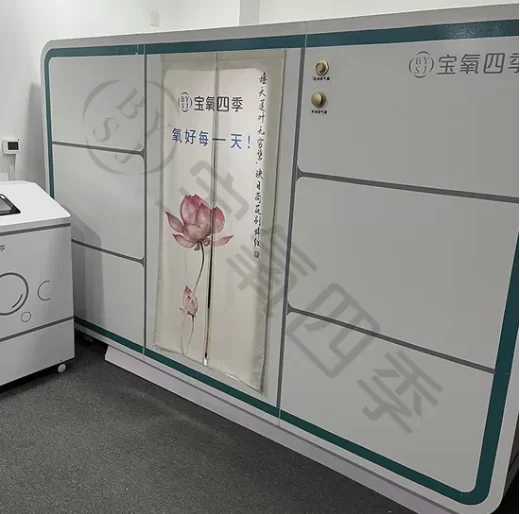
Let’s unpack the term. Imagine a small, enclosed space designed to maintain an oxygen-rich atmosphere—usually above ambient levels. Unlike large hyperbaric chambers, micro oxygen chambers are compact units that can be either fixed or mobile. They create an environment where oxygen concentration is carefully regulated, often used to support patients with breathing difficulties or to assist in industrial breathing air supplies.
Simply put, it’s a “mini hyperbaric chamber” but more focused, portable, and cost-effective. They combine oxygen concentrators, safety controls, and airtight cabins tailored for one or two users. This approach benefits many industries: medical, aviation, diving, manufacturing, and disaster management.
micro oxygen chamber technology has also matured to include lightweight materials, smart sensors to monitor oxygen levels in real-time, and easy assembly, making them attractive solutions beyond typical hospital settings.
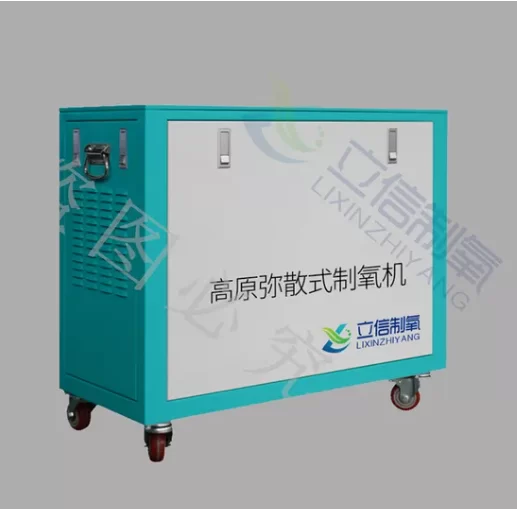
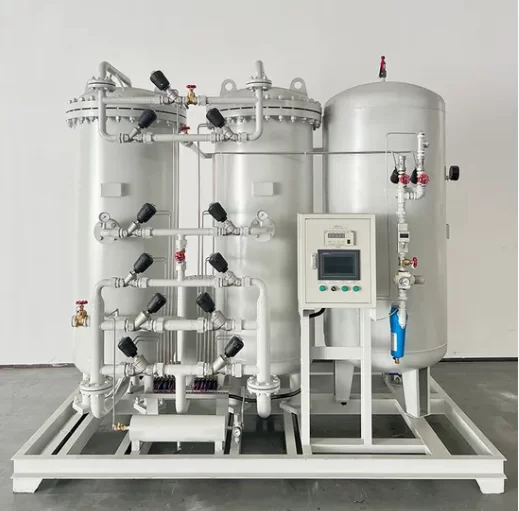
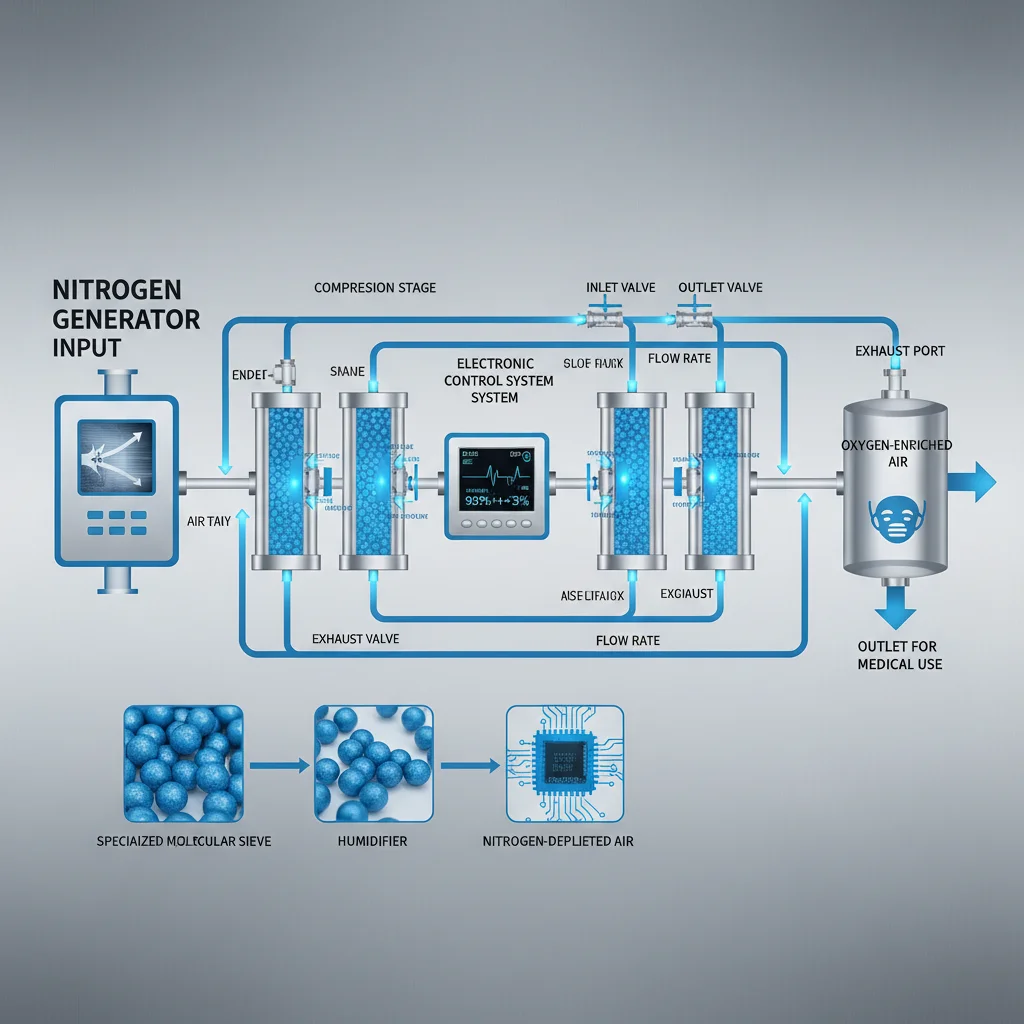
This is the heart of the chamber. Usually an oxygen concentrator or a compressed oxygen supply feeds the chamber. Efficient filters and flow regulators help maintain safe oxygen levels, avoiding risks associated with too high or fluctuating concentrations.
The enclosure is made from durable yet lightweight materials such as reinforced polymers or aluminum alloys. This ensures portability without sacrificing the chamber’s ability to seal tightly, creating the right oxygen environment inside.
Comfort and safety matter. Controls for oxygen flow, pressure, and emergency ventilation are designed to be intuitive. Often, there’s a digital display showing oxygen purity and chamber pressure to give users confidence all is operating correctly.
Oxygen enrichment brings fire risks, so designs include alarms for leaks, automatic shutoffs, and materials resistant to ignition. Compliance with international safety standards is a must.
Compact size, carry handles, foldable frames, or wheels make moving and deploying these chambers in-field easier. Many come with quick-setup kits to streamline use during emergencies.
| Feature | Specification | Typical Use |
|---|---|---|
| Oxygen Purity | 90%–95% | Medical Therapy |
| Chamber Size | 1–2 person capacity | Personal & Small Group |
| Material | Reinforced polymer / Aluminium alloy | Lightweight & Durable |
| Weight | 15–30 kg (varies) | Portable |
| Setup Time | Under 10 minutes | Rapid Deployment |
| Power Supply | Battery / Mains / Solar options | Flexible Field Use |
Mini takeaway: A well-designed micro oxygen chamber balances oxygen control, user safety, and portability to serve diverse applications with reliability.
It’s kind of fascinating just how versatile these chambers have become. In post-disaster relief, NGOs deploy micro oxygen chambers to assist victims with respiratory distress without needing full hospital setups. For example, after the 2015 Nepal earthquake, portable oxygen units helped treat mountain climbers and locals affected by altitude sickness and injuries.
In remote industrial zones — mining or oil extraction sites far from city hospitals — they provide critical oxygen support on-site during accidents or chronic health issues in workers. Manufacturers benefit from on-demand concentrated oxygen to improve safety and emergency response capabilities.
Even aviation and marine operations use these chambers as compact hyperbaric substitutes to help manage decompression sickness in divers or passengers who need oxygen therapy mid-flight.
Overall, regions with fragmented health infrastructure — Sub-Saharan Africa, parts of Asia, and rural South America — stand to gain immensely through widespread adoption of micro oxygen chambers.
Mini takeaway: Beyond just oxygen, these chambers bring peace of mind and sustainable health impact at a fraction of traditional care delivery systems’ costs.
Innovations are bubbling up fast. Expect to see digital monitoring integrated via IoT sensors that alert remote clinicians if oxygen levels drop or if a user’s vital signs falter. Hybrid energy systems combining solar and batteries hint at truly off-grid oxygen therapy.
There’s also growing interest in eco-friendly materials to produce chambers — bioplastics and natural fibers that can decompose or be recycled easily without toxic waste. Plus, modular designs with scalable volumes will cater to group therapy applications.
Policy-wise, international health organizations are discussing minimum standards to encourage broader use in humanitarian contexts, even pushing for micro oxygen chambers in standard emergency toolkit kits worldwide.
Not everything is smooth sailing. A frequent concern is oxygen enrichment hazards — oxygen is a silent fire accelerator, so mishandling or bad design can be dangerous. Experts recommend rigorous certification and regular maintenance routines. Some brands are developing fail-safe ventilation backups and inert material linings to mitigate risks.
Another challenge is power supply inconsistency in remote areas. Hybrid power solutions and manual backup oxygen tanks often form part of the solution. There’s also a learning curve in training local staff on proper use and troubleshooting — industry groups suggest more accessible, multilingual training kits paired with visual tutorials.
| Brand | Weight (kg) | Oxygen Purity (%) | Power Options | Setup Time (min) | Ideal Application |
|---|---|---|---|---|---|
| OxyLite Pro | 18 | 94 | Battery, Mains | 7 | Field Medical |
| SafeAir Compact | 23 | 92 | Mains, Solar | 10 | Disaster Relief |
| MediBreathe Mini | 16 | 95 | Battery Only | 5 | Remote Clinics |
All said and done, the micro oxygen chamber really symbolizes a smart intersection of medical necessity, engineering innovation, and practical design. They enable lifesaving oxygen delivery where large, expensive systems simply can’t reach. The balance of portability, safety, and usability means their long-term benefits stretch beyond hospitals — touching disaster zones, remote workplaces, underserved regions, and beyond.
If you're curious to explore the latest micro oxygen chamber models or inquire about procurement and training, I highly recommend visiting our website. It’s always worth seeing what’s new — sometimes the best innovations are wrapped up small and ready to go at a moment’s notice.
Stay safe, and breathe easy.