Hit enter to search or ESC to close
26 January 2026
Hyperbaric oxygen therapy (HBOT) has become increasingly popular for its therapeutic benefits, ranging from wound healing and sports recovery to overall wellness and anti-aging treatments. Central to this therapy is the hyperbaric oxygen chamber, a medical device that delivers high concentrations of oxygen under controlled pressure. With advancements in technology, a variety of chambers are now available, including micro hyperbaric oxygen chambers, micro oxygen chambers, and full-sized hyperbaric chambers for clinical and home use.
Understanding the different types of hyperbaric oxygen chamber is essential for selecting the right system to meet medical, wellness, or personal needs. This guide delves into the features, applications, and advantages of various oxygen chambers, helping individuals and facilities make informed decisions.
A hyperbaric oxygen chamber is designed to increase the amount of oxygen dissolved in the bloodstream, promoting faster tissue repair, reducing inflammation, and enhancing cellular function. There are several key types, each with unique applications and benefits:
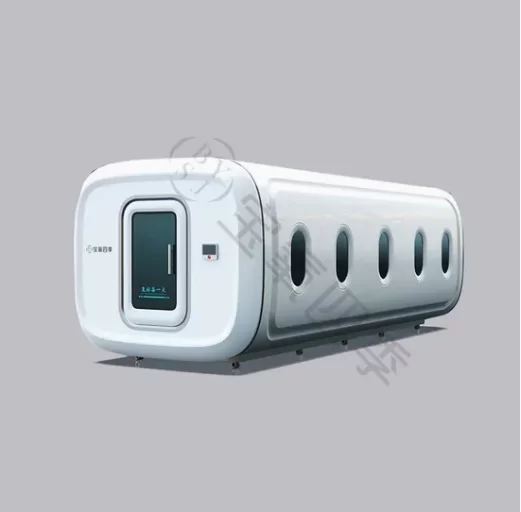
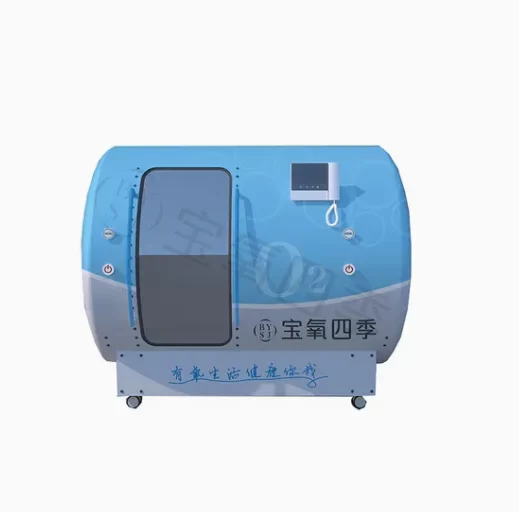
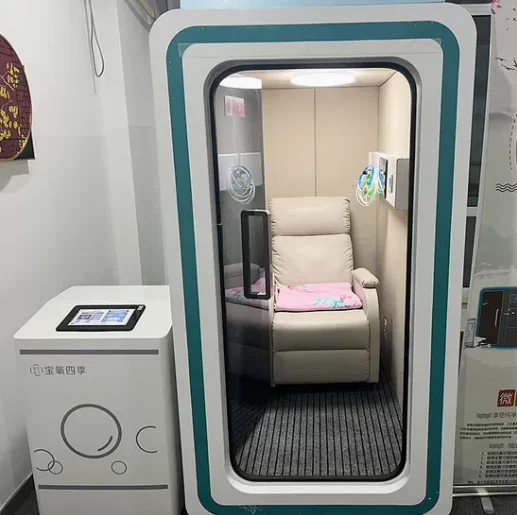
The micro hyperbaric oxygen chamber is a compact, single-person device designed for personal or small-scale therapeutic use. These chambers are pressurized slightly above atmospheric levels, typically up to 1.3 ATA (atmospheres absolute), and are intended for wellness purposes rather than medical treatment of severe conditions.
Benefits include:
1. Enhanced oxygen absorption for recovery
2. Increased energy and cognitive function
3. Convenience of home or small clinic use
Similar to micro hyperbaric chambers, a micro oxygen chamber is designed for portable or personal use. These units are smaller, lighter, and sometimes inflatable, making them ideal for individuals seeking accessible oxygen therapy without the need for hospital-grade equipment. They are commonly used for:
1. Anti-aging and wellness therapy
2. Stress reduction
3. Recovery from minor injuries or fatigue
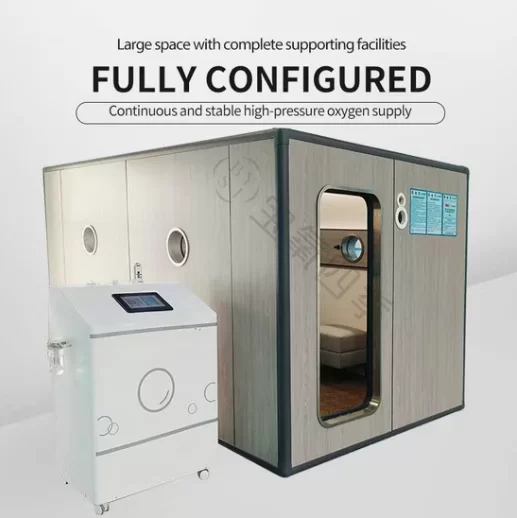
A traditional hyperbaric oxygen chamber or hyperbaric chamber is a larger, often medical-grade unit used in hospitals and clinics. These chambers can treat severe medical conditions such as chronic wounds, carbon monoxide poisoning, and decompression sickness. They typically operate at pressures ranging from 1.5 to 3 ATA and can accommodate multiple patients in some models.
Applications include:
1. Chronic wound healing and diabetic ulcers
2. Post-surgical recovery
3. Treatment of infections resistant to antibiotics
Some oxygen chambers are designed for targeted therapies, including pediatric chambers, portable clinic units, and combination models that can be used for both medical and wellness purposes. These chambers often include monitoring systems, safety valves, and ergonomic designs to enhance patient comfort.
Understanding the types of hyperbaric oxygen chambers helps clarify the benefits of this therapy for various user groups. The advantages are widespread across medical, wellness, and athletic applications:
Medical-grade hyperbaric oxygen chambers are primarily used in healthcare settings. By delivering oxygen at higher than atmospheric pressures, these chambers increase oxygen diffusion into tissues, accelerating healing. Key applications include:
1. Diabetic foot ulcers and chronic wounds
2. Radiation injury recovery
3. Carbon monoxide and smoke inhalation treatment
4. Osteomyelitis and other hard-to-heal infections
Smaller micro hyperbaric oxygen chambers and micro oxygen chambers cater to wellness markets, including home users and small clinics. Benefits of regular oxygen therapy in these settings include:
1. Enhanced cellular repair and regeneration
2. Reduced fatigue and improved energy levels
3. Faster recovery after physical exercise or minor injuries
4. Anti-aging effects by improving skin oxygenation
Athletes use hyperbaric oxygen chambers to reduce inflammation, improve endurance, and accelerate recovery after strenuous workouts. A micro oxygen chamber or a single-person micro hyperbaric oxygen chamber allows athletes to benefit from therapy conveniently between training sessions.
Selecting the right hyperbaric chamber depends on the intended use, user capacity, and therapeutic goals. Micro hyperbaric oxygen chambers are ideal for personal wellness, fitness, or home recovery, while full-sized hyperbaric oxygen chambers are essential for clinical treatments requiring higher pressures and medical supervision. Oxygen chambers of all types contribute to enhanced oxygen delivery, promoting healing, recovery, and overall wellness.
By understanding the types of hyperbaric oxygen chamber, individuals, clinics, and healthcare providers can make informed decisions, optimizing therapy outcomes while ensuring safety and comfort. Investing in a high-quality chamber, whether for personal or professional use, is a step toward better health, improved recovery, and enhanced quality of life.
A micro hyperbaric oxygen chamber is smaller, often single-person, and designed for wellness or personal recovery. Full-sized hyperbaric chambers are medical-grade units used in hospitals for serious conditions and can accommodate multiple patients at higher pressures.
Yes. Micro oxygen chambers are designed for home or small clinic use, offering low-pressure oxygen therapy for wellness, recovery, and minor injury treatment.
Hyperbaric oxygen chambers treat chronic wounds, diabetic ulcers, carbon monoxide poisoning, radiation injuries, infections, and decompression sickness, among other medical conditions.
Yes. Using oxygen chambers under appropriate guidelines is safe for athletes. Micro or single-person chambers are popular for recovery, inflammation reduction, and performance enhancement.
Choosing the right chamber depends on the intended use, required pressure, number of users, and therapeutic goals. Micro hyperbaric oxygen chambers are ideal for personal use, while full-sized hyperbaric chambers are necessary for clinical treatments.