Hit enter to search or ESC to close
2 December 2025
Hyperbaric oxygen treatment might sound like something out of sci-fi, but in reality, it’s an established medical technology with a quietly growing global footprint. Simply put, it involves breathing pure oxygen in a pressurized chamber to help the body heal faster and tackle ailments that conventional treatments can't always fix. But why does understanding hyperbaric oxygen (HBO) truly matter in today’s interconnected world? Well, it touches everything from emergency medicine to chronic wounds and even environmental survival strategies. The broader awareness of its benefits could revolutionize health outcomes, especially in disaster zones and remote areas.
Globally, chronic diseases and traumatic injuries are among the leading causes of death and disability. According to the World Health Organization, millions suffer from conditions that impair healing processes, like diabetic foot ulcers or radiation injuries. Enter hyperbaric oxygen, a method endorsed by the Undersea and Hyperbaric Medical Society, which reports significant healing improvements in these conditions.
Oddly enough, although its clinical potential is well-documented, many healthcare providers and patients remain unfamiliar with HBO's capabilities. The challenge? Accessibility, costs, and a gap in international infrastructure limit widespread use — especially in low-resource settings.
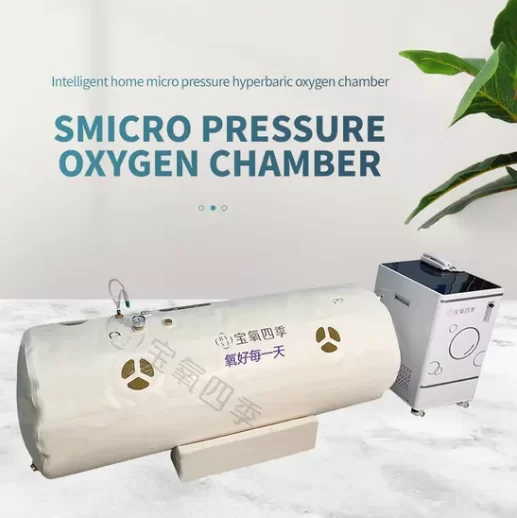
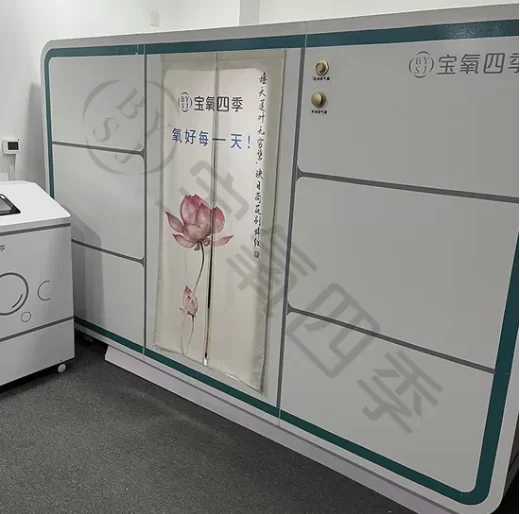
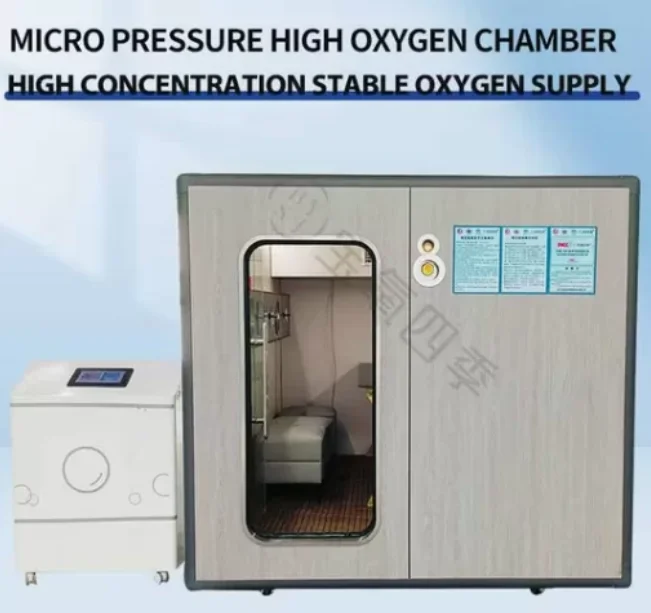
Put simply, hyperbaric oxygen therapy means breathing 100% oxygen inside a chamber where the atmospheric pressure is up to three times higher than normal. This elevated pressure significantly increases the amount of oxygen dissolved in the blood, speeding up recovery — not just by better oxygen delivery but by activating processes like angiogenesis (forming new blood vessels) and fighting certain bacteria.
Its roots trace back to underwater diving medicine, where it was first used to treat decompression sickness. Today, it's a growing part of modern medical tech and humanitarian aid, helping everything from stubborn wounds to carbon monoxide poisoning and promoting recovery after radiation therapy.
A side takeaway: These components come together to form a therapy that's both technically demanding and hugely beneficial when done right.
HBO therapy’s reach spans continents and industries:
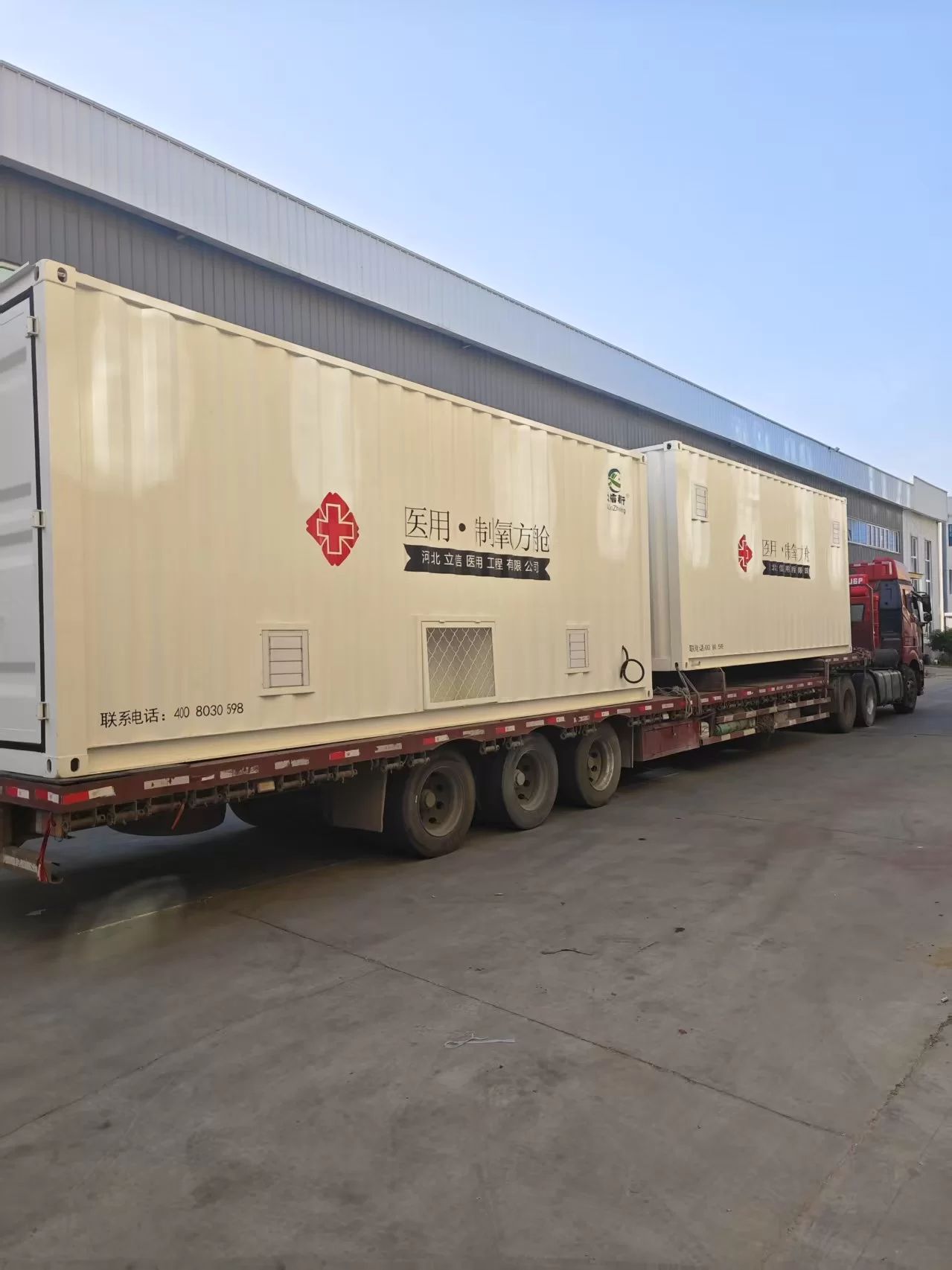
A real-world example: After the 2010 Haiti earthquake, several NGOs deployed mobile HBO chambers to aid victims with severe injuries and infections when local resources were overwhelmed.
From a pragmatic viewpoint, the benefits are clear:
On an emotional level, patients often describe HBO sessions as reassuring — it feels like their body is getting a direct boost, a shot at recovery when other therapies have stalled. Trust in this technology is growing, particularly as innovative chambers become more accessible.
| Feature | Specification | Notes |
|---|---|---|
| Chamber Type | Monoplace / Multiplace | Single or group patient use |
| Operating Pressure | 1.5 to 3 ATA (atmospheres absolute) | Adjustable by treatment protocols |
| Oxygen Concentration | >99% | Medical-grade purity |
| Safety Features | Fire suppression, pressure relief valves | Mandatory for safe operation |
| Monitoring | Continuous oxygen, pressure, patient vitals | Alerts for anomalies |
| Vendor | Chamber Types | Typical Price Range | Unique Selling Point | Geographic Availability |
|---|---|---|---|---|
| OxyHeal Systems | Monoplace, portable | $50,000–$80,000 | Easy setup, modular components | North America, Europe |
| HyperMed Inc. | Multiplace, hospital-grade | $200,000+ | Advanced digital control systems | Global |
| PureAir Tech | Monoplace, compact | $40,000–$70,000 | Cost-effective, energy efficient | Asia, Europe |
Looking ahead, several innovations are shaping the HBO field:
These trends promise to make hyperbaric oxygen accessible in places and situations previously unimaginable – which frankly, feels like a game changer for global health.
Of course, HBO isn't without hurdles. The biggest are:
Experts advocate for public-private partnerships, investment in training, and advancement in low-cost portable systems to overcome these issues. For instance, solar-powered oxygen concentrators are being trialed in some African clinics to bridge infrastructure gaps.
To sum it up — hyperbaric oxygen therapy isn’t just some niche treatment. It holds remarkable promise for boosting recovery and quality of life across the globe, especially as new tech makes it more accessible and affordable. If you’re interested in learning more or considering HBO solutions for your facility or project, be sure to visit https://www.storeoxygen.com for trusted information and products.
Ultimately, hyperbaric oxygen exemplifies how combining advanced science with human care can tackle some of our most pressing health challenges.
Just a small reflection: technologies like HBO remind us that sometimes the most profound advances quietly work beneath the surface — pressurized, steady, healing.
References:
1. World Health Organization – Noncommunicable Diseases
2. Wikipedia – Hyperbaric Oxygen Therapy
3. Undersea and Hyperbaric Medical Society – UHMS Website