Hit enter to search or ESC to close
25 November 2025
Medical oxygen has become the silent hero in hospitals, clinics, and emergency response efforts around the world. Whether it’s combating respiratory diseases, treating surgical patients, or supporting intensive care units, reliable oxygen supplies can quite literally save lives. That’s where the medical oxygen gas plant steps in — an essential production facility that ensures medical-grade oxygen is available at scale and purity levels required for health care. Understanding the mechanics and global significance of these plants isn’t just for engineers or health administrators; it’s a matter of public well-being.
Today, the WHO estimates that over 2 billion people experience health conditions needing supplemental oxygen at some point. As respiratory diseases continue to escalate worldwide, especially amplified by pandemics like COVID-19, the demand for medical oxygen has surged alarmingly. However, oxygen shortages remain a pressing challenge in many low-resource settings. According to a recent UN report, about 90% of hospitals in some developing nations struggle with oxygen supply logistics, leading to tragic consequences.
By investing in robust medical oxygen gas plants, nations and regions not only address critical healthcare needs but also build resilience against future crises — be it pandemics, natural disasters, or industrial demands. Frankly, it’s an intersection of public health, technology, and infrastructure that too often flies under the radar.
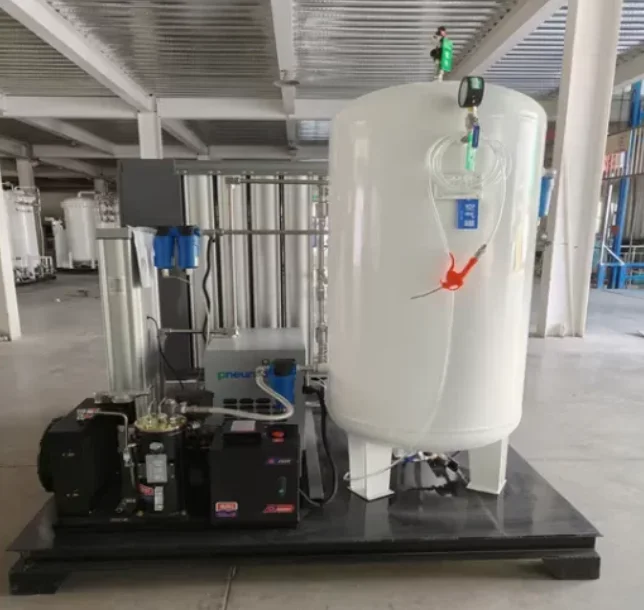
In straightforward terms, a medical oxygen gas plant is a specialized facility designed to produce high-purity oxygen gas tailored for medical use. Unlike industrial oxygen, medical oxygen must meet stringent purity criteria — generally 99.5% or above — and be free from contaminants. The plant typically uses technologies like Pressure Swing Adsorption (PSA) or cryogenic distillation to separate oxygen from ambient air.
These plants act as a local or regional oxygen hub, producing gases that are then stored, compressed, and transported via cylinders or pipelines directly to healthcare providers. The significance here is not just in manufacturing oxygen but ensuring safety, consistency, and adherence to international standards such as ISO 7396-1 (Medical Gas Pipeline Systems).
Oddly enough, these plants also tie into broader humanitarian and industry needs. Hospitals are the most obvious consumers, but mining, pharmaceuticals, and disaster relief agencies also sometimes rely on these oxygen sources, illustrating their versatility beyond traditional medicine.
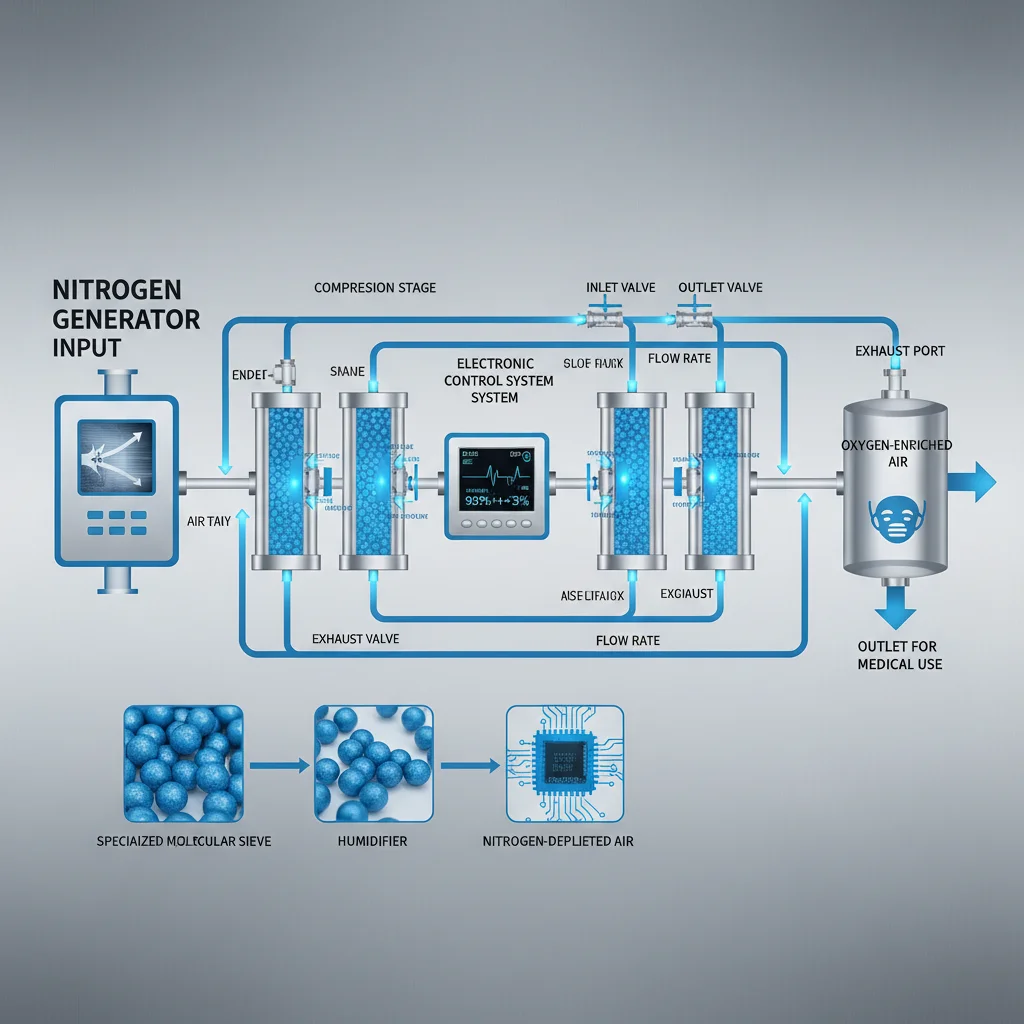
The cornerstone is the oxygen generation system—most commonly PSA units, which use molecular sieves to adsorb nitrogen and leave high-purity oxygen behind. Cryogenic plants are larger scale but offer higher purity; however, they involve more complexity and cost.
Oxygen purity isn't just a marketing promise — it’s regulated and monitored rigorously. Impurities or moisture in the gas can endanger patients. On-site gas analyzers and automated quality systems make real-time compliance possible.
Once produced, oxygen must be stored safely in high-pressure cylinders or liquid tanks, then transported or piped in hospitals. The design of these handling systems is crucial for both safety and availability during peak demand.
Not all hospitals need the same capacity. Modular designs allow plants to scale up or down swiftly, core to serving rural clinics or large urban centers efficiently.
Given the critical nature of oxygen, these plants are built for longevity and easy upkeep. Regular preventive maintenance schedules and monitoring software help avoid unplanned downtime.
| Specification | Typical Range | Notes |
|---|---|---|
| Oxygen Purity | ≥ 93% to 99.5% | PSA technology provides ~93-95%; cryogenic >99.5% |
| Production Capacity | 5 - 2000+ Nm³/hour | Scalable for clinics to hospitals |
| Pressure Output | 4 to 10 bar | Suitable for cylinder filling and pipeline feeding |
| Power Consumption | Typically 1.0 - 1.8 kW/Nm³ | Varies with plant size and tech |
| Warranty & Support | 1 - 3 years with service options | Often includes training & remote monitoring |
From metropolitan hospitals in the US to rural clinics in Sub-Saharan Africa, medical oxygen gas plants underpin healthcare delivery worldwide. For example:
Over in the Middle East, large capacity cryogenic plants serve bustling hospitals, while in Southeast Asia, modular systems provide off-grid solutions tailored to island clinics. These examples show the flexibility and vital importance of these plants beyond textbook descriptions.
The benefits stretch well beyond mere supply:
Emotionally, having a dependable oxygen source is a reassurance to patients and caregivers alike — a lifeline that symbolizes hope and resilience.
Technology never stands still. Key upcoming trends include:
Oddly enough, these innovations often arise where need is greatest — developing nations balancing cost with life-saving requirements.
Despite the clear benefits, challenges exist:
Experts suggest solutions like hybrid power setups, comprehensive training programs, and local partnerships to foster sustainability. Some vendors now offer remote diagnostics to preempt downtime — a genuine game-changer.
| Vendor | Technology Focus | Global Presence | Support & Training |
|---|---|---|---|
| OxyPure Technologies | PSA Modular Systems | Asia, Africa, Americas | 24/7 Remote Monitoring & On-site Training |
| CryoMed Supplies | Cryogenic Plant Solutions | Europe, North America | Annual Maintenance Contracts & Certification |
| HealthO2 Systems | Solar-Powered PSA Units | Africa, South America | Community Training & Remote Support |
A1: Modular PSA plants can be installed within weeks, especially if pre-fabricated units are used. Site preparation and power availability are key factors. For emergency response, mobile units might be deployed even faster.
A2: Regular servicing includes filter replacement, monitoring molecular sieve health, checking compressors, and ensuring sensors and valves function properly. Many vendors offer training and remote diagnostics to simplify upkeep.
A3: Over time, on-site oxygen generation drastically cuts supply and transport costs, especially in regions with high oxygen demand. The initial investment is higher but often pays off within a few years.
A4: Absolutely. Many hospitals increase oxygen capacity by installing or expanding on-site plants, ensuring uninterrupted supplies when demand spikes suddenly.
A5: Through continuous gas analysis, automatic pressure control, and compliance with global ISO standards. These systems are designed to shut down or alert staff if purity falls below requirements.
Medical oxygen gas plants represent more than just hardware — they’re a commitment to healthcare quality, resilience, and humanity. Understanding their components, challenges, and future potential helps us appreciate the complex infrastructure behind what hospitals often take for granted. For those ready to explore trusted medical oxygen gas plant solutions tailored to diverse needs, the path begins here.
Visit https://www.storeoxygen.com to learn more about how you can secure reliable, sustainable oxygen production for your facility.
References:
1. World Health Organization, “Oxygen Therapy for COVID-19 Patients,” 2022.
2. United Nations, “Global Health Infrastructure Report,” 2023.
3. ISO 7396-1: Medical Gas Pipeline Systems, 2016.