Hit enter to search or ESC to close
25 November 2025
In today’s healthcare ecosystem, few components are as quietly indispensable as a medical oxygen cylinder filling plant. Oddly enough, we often forget the intricate infrastructure behind providing oxygen that literally saves millions of lives. These plants are the hidden gear in global health machinery — ensuring hospitals, emergency responders, and remote clinics have timely, reliable access to medical-grade oxygen.
Given the ongoing challenges like pandemics, natural disasters, and increasing respiratory illnesses globally, grasping the role and benefits of these plants becomes a real priority. They are the unsung heroes reducing mortality rates and improving patient outcomes worldwide.
According to the World Health Organization (WHO), oxygen therapy is a critical component in treating conditions such as chronic obstructive pulmonary disease (COPD), pneumonia, and COVID-19. The demand for medical oxygen has surged dramatically in recent years, notably illustrated by shortages during the COVID-19 crisis. Medical oxygen cylinder filling plants have been pivotal in mitigating these shortages.
Globally, the market for oxygen equipment is projected to grow at a steady pace, influenced by demographic shifts and rising awareness about respiratory health. Regions like Southeast Asia and Africa especially depend on localized filling plants because importing cylinders or liquid oxygen from afar is often impractical.
However, setting up these plants isn’t just about meeting demand. They address significant problems, such as oxygen purity, supply chain interruptions, and high transportation costs — problems that ripple through healthcare systems affecting thousands of lives.
Put simply, a medical oxygen cylinder filling plant is a facility equipped to safely fill pressurized cylinders with high-purity oxygen that meets stringent medical standards (usually 99.5% or higher).
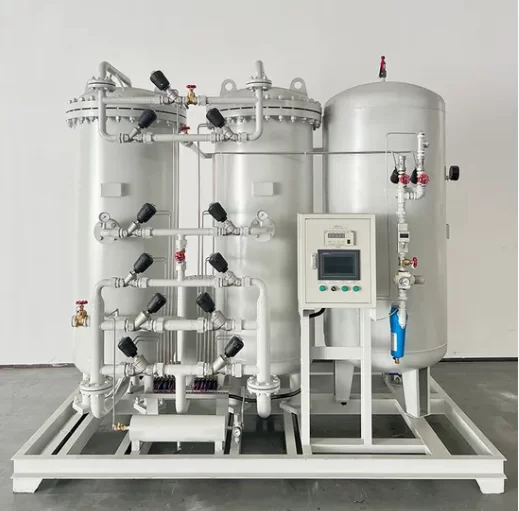
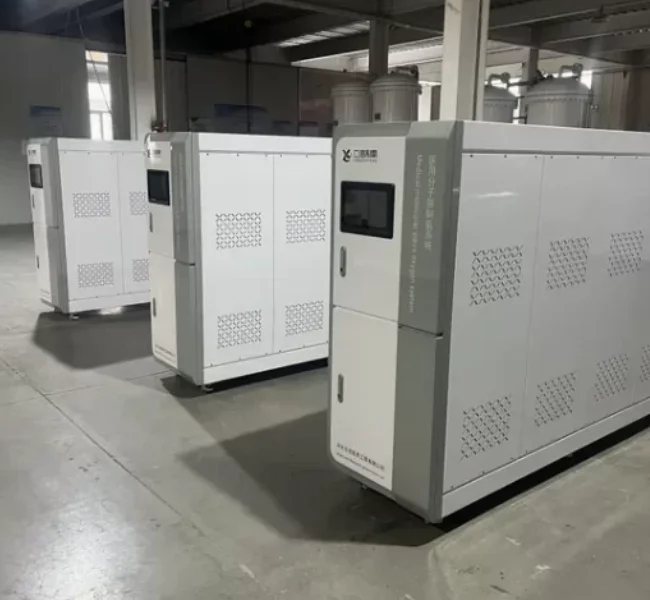
The plant typically takes oxygen produced by on-site systems—like Pressure Swing Adsorption units (PSA)—or delivered as liquid oxygen and compresses it into portable cylinders for transportation to healthcare centers. This process involves multiple steps, including purification, filtration, compression, and monitoring to ensure safety and compliance with international standards like ISO 7396.
These plants bridge the gap between production and consumption, which is crucial in modern healthcare logistics and humanitarian relief efforts where time, quality, and reliability are non-negotiable.
Simply put, these plants are the quality unchecked oxygen “factories” that keep cylinders ready for real-world emergencies and everyday patient care.
Medical oxygen must be free from contaminants and meet purity standards to avoid patient harm. Plants use advanced filtration and continuous purity analyzers to monitor oxygen quality during filling operations.
These plants range from small units serving rural clinics to large-scale facilities capable of filling thousands of cylinders daily. Scalability is crucial because demand fluctuates seasonally and regionally.
Thanks to high-pressure operations, robust compressors, and pneumatic systems, equipment longevity and routine preventive maintenance directly impact operational uptime and safety.
The cost balance involves investment, energy consumption (for compressors and cooling), and minimizing cylinder turnaround time to optimize supply chains.
Modern plants often incorporate computerized control systems for real-time data acquisition, fault detection, and compliance logging—which are game-changers in quality assurance and operator safety.
The smartest designs are the ones that mix technical precision with practical logistics needs, so operators can respond quickly without compromising safety.
The applications of these plants are incredibly diverse. Hospitals in urban centers rely on them as backbone suppliers, but their impact extends much further.
For example, in India, the government has accelerated installation of PSA-based plants in district hospitals post-COVID, a move that’s drastically improved survival chances for severe respiratory cases.
Wherever the need for oxygen meets logistical challenges, these filling plants flex to fit the context—whether a bustling city or a remote village.
Let’s be frank: beyond the technical specs, these plants embody social impact.
At its heart, investing in these plants isn’t just about oxygen supply—it’s about dignity and trust in healthcare systems.
As environmental concerns rise, integrating green energy with oxygen production and filling is gaining traction. Some plants now use solar-generated electricity to power compressors, reducing emissions and operating costs.
Digitalization also plays a starring role: IoT sensors and AI-driven predictive maintenance lower downtime and detect contamination risks early. And modular, containerized filling plants offer plug-and-play solutions in emergencies, speeding deployment without compromising quality.
Lastly, regulations like ISO 13485 tighten quality management, pushing suppliers toward more robust and transparent processes.
Common hurdles include:
| Specification | Description |
|---|---|
| Oxygen Purity | ≥ 99.5% (per medical grade standards) |
| Cylinder Capacity Supported | From 2L to 50L cylinders |
| Filling Pressure | Up to 150 bar (15,000 kPa) |
| Filling Capacity | Up to 100 cylinders/hour |
| Automation Level | Fully automated with remote monitoring |
| Power Supply | 220-440 V, 50/60 Hz |
| Feature / Vendor | OxyPure Systems | MediFill Technologies | AirLife Solutions |
|---|---|---|---|
| Price Range | $$$ | $$ | $$$$ |
| Automation Level | High | Medium | High |
| Energy Efficiency | Good | Average | Excellent |
| After-Sales Support | 24/7 Remote + Onsite | Business Hours | 24/7 Remote Only |
| Global Certifications | ISO 7396, CE | ISO 7396 | ISO, FDA Compliant |
In real terms, these plants do a lot more than just fill cylinders — they form the lifeline for countless patients, health facilities, and emergency responders.
By providing safe, reliable, and cost-efficient oxygen supply close to the point of care, medical oxygen cylinder filling plants improve resiliency in the face of health crises and ongoing respiratory care demands.
If you’re considering ways to enhance oxygen delivery infrastructure, visit our website for expertly designed medical oxygen cylinder filling plant solutions tailored to your needs.