What Exactly Is a Medical Oxygen Generation Plant, and Why Should We Care?
Before we dive deep, let’s get a grip on what a medical oxygen generation plant is. Simply put, it's a system or facility that produces oxygen tailored for medical uses—think hospitals, emergency relief camps, or even remote clinics. In this era of pandemics, natural disasters, and expanding healthcare needs, understanding how oxygen gets to where it’s needed isn’t some trivial back-office detail—it’s a matter of life and breath, literally.
Global demand for medical oxygen has surged dramatically, especially since 2020. The World Health Organization (WHO) estimates that around 20 million patients require oxygen therapy daily worldwide. Yet, access remains spotty in many regions. This gap is where those plants come in. They bolster local supply chains, slash reliance on cumbersome oxygen tank shipments, and empower regions to respond to crises swiftly. If you think about it, oxygen isn’t just a gas; it’s a cornerstone of modern medicine.
---
Global Context: Why Medical Oxygen Generation Plants Are More Relevant Than Ever
Let’s zoom out a bit. The United Nations and the World Bank highlight healthcare as a key pillar for sustainable development, and reliable medical oxygen plays a hidden—but gigantic—role here.
In low-income countries, approximately 3 in 4 hospitals lack consistent oxygen access (WHO, 2021). That means many life-saving procedures are hamstrung by a simple lack of breathable oxygen. Meanwhile, the COVID-19 pandemic shone a spotlight on oxygen shortages globally, even in developed nations. The problem? Traditional cylinder supply chains faltered during rapid spikes in demand.
Medical oxygen generation plants shake up this status quo by enabling on-site oxygen production — eliminating transport delays, high costs, and stock-out risks. They’re increasingly crucial for pandemic preparedness, disaster relief, and expanding rural healthcare. Oddly enough, despite oxygen’s vital nature, many countries still import most of their supply rather than producing oxygen locally. In that light, these plants aren’t just machines — they’re part of a global health security puzzle.
---
Defining the Medical Oxygen Generation Plant
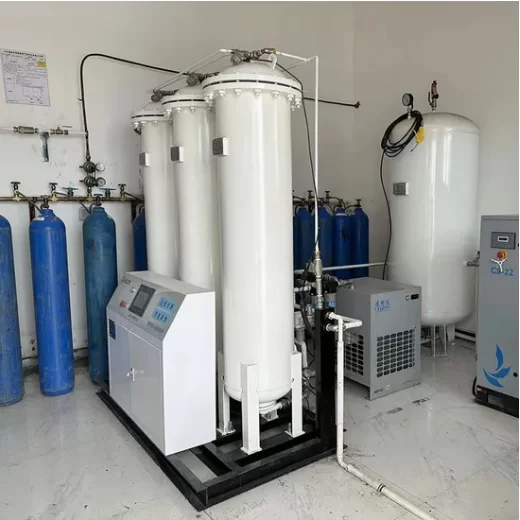
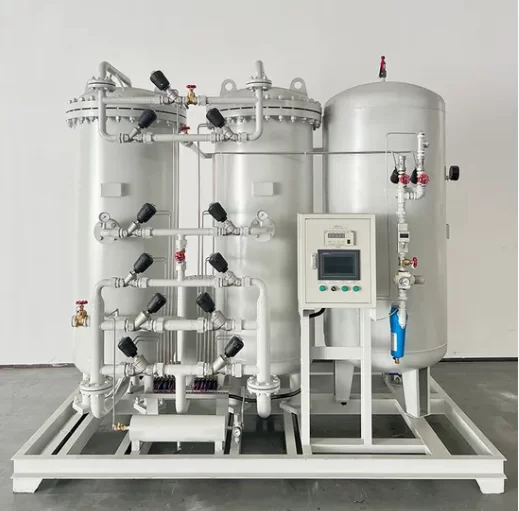
So what is it, technically and conceptually? A medical oxygen generation plant usually involves sophisticated air separation technologies—most commonly Pressure Swing Adsorption (PSA)—to extract oxygen from ambient air. The product is medical-grade oxygen that conforms with strict purity standards (typically > 93% oxygen with trace gases).
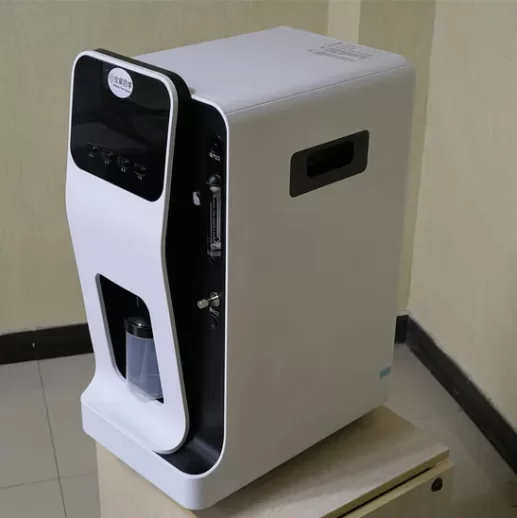
Imagine a large-scale oxygen concentrator but optimized, industrialized, and certified for hospital-grade performance. It’s connected directly to a hospital’s piping system or used to fill cylinders on-site. The plant’s modular designs allow scaling capacity depending on hospital size or emergency needs.
Far from niche gadgetry, these plants are now vital infrastructure—bridging the gap between gas supply networks and real-time patient care needs.
---
Core Components of a Medical Oxygen Generation Plant
1. Purity Control and Quality Assurance
Quality isn’t optional. The machinery continuously monitors oxygen purity, moisture content, and contaminants. Why? Medical oxygen demands precision to avoid complications — and anyone who’s done a respiratory treatment knows the stakes.
2. Scalability & Modular Design
Depending on demand, you can find oxygen plants with output ranging from 5 m³/hour in small clinics to over 1000 m³/hour in large hospitals. Modular units let providers upgrade capacity without scrapping existing infrastructure—a blessing for growing institutions.
3. Energy Efficiency
The PSA process uses compressed air; energy costs vary widely. Engineers are now focused on improving compressors and adsorbents to reduce power consumption. This has immediate cost impacts, especially in areas with costly or unstable electricity.
4. Durability and Maintenance
These plants are often installed in tough conditions—remote or humid areas, sometimes disaster zones—so ruggedness counts. Easy-to-service systems with smart sensors for predictive maintenance cut downtime.
5. Compliance with Medical Standards
From ISO 7396 to local certifications, ensuring the plant meets regulatory requirements isn’t just a box to check—it’s a lifeline safeguard.
---
Mini Takeaway
Medical oxygen generation plants are complex, yet their core is about delivering safe, reliable oxygen where and when it's needed, blending precision engineering with real-world practicality.
---
Global Applications and Real-World Use Cases
Around the world, medical oxygen plants are silently powering healthcare advances, often where you might least expect it:
- Remote Clinics in Sub-Saharan Africa: Instead of depending on unpredictable delivery trucks, regional hospitals use plants to maintain steady oxygen availability, which has markedly lowered mortality rates in pediatric pneumonia cases.
- Disaster Response Operations: Natural disasters like earthquakes or floods damage infrastructure. Portable or rapid-deployment oxygen plants become crucial backup systems for field hospitals.
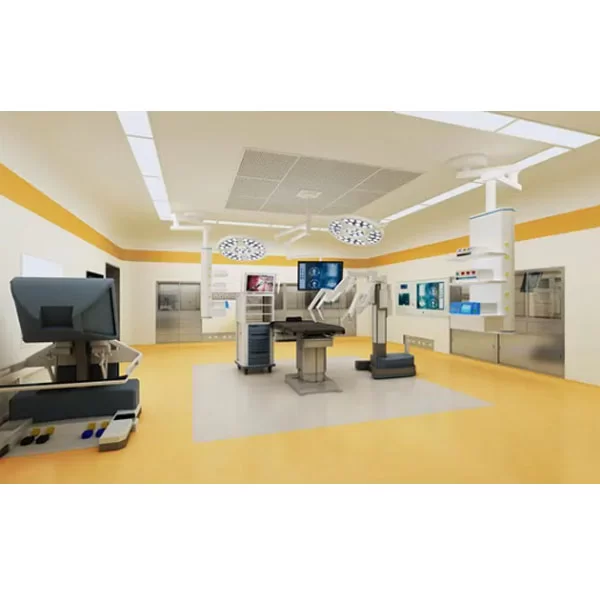
- Urban Hospitals in Developed Countries: Even big-city medical centers install onsite plants to reduce reliance on logistics and cut costs, particularly for critical units like ICU and surgery.
- Industrial Zones: Some industrial or mining sites with onsite medical facilities use these plants to provide emergency oxygen, enhancing worker safety.
Aeromedical evacuations and mission hospitals also benefit hugely. Notably, an NGO providing healthcare in Nepal boosted patient outcomes dramatically after installing PSA oxygen generation equipment at base camps above 3000 meters.
---
The Advantages and Lasting Value of Local Oxygen Production
The benefits stack impressively:
- Cost Reduction: Shipping oxygen cylinders is costly. On-site production trims this dramatically.
- Supply Reliability: No more disruptions from transport strikes, natural disasters, or global supply chain hiccups.
- Environmental Gains: Less cylinder transport means lower carbon emissions. Energy innovations may further boost green credentials.
- Social Impact: Saves lives by consistently supporting therapies for COVID-19, COPD, neonatal care, surgeries, and emergency traumas.
- Trust & Autonomy: Hospitals gain independence from external suppliers, empowering proactive health management.
In short, these installations don’t just deliver oxygen. They deliver peace of mind. For resource-limited institutions especially, this is transformative.
---
Looking Ahead: Innovations and Emerging Trends in Medical Oxygen Generation
The oxygen generation industry isn’t standing still. Innovations include:
- Green Energy Integration: Solar-powered compressors making off-grid oxygen production feasible.
- Automation and Remote Monitoring: Digitally enhanced plants that self-diagnose and alert technicians — reducing emergency breakdowns.
- New Adsorbent Materials: Improved sieve technology raises purity and efficiency.
- Modular Plug-and-Play Units: Speedy deployment for emergencies—and easier scaling.
- Policy Changes: Governments in Africa, Asia, and South America increasingly incentivizing local oxygen production to strengthen health systems.
Frankly, the future looks bright, and perhaps unexpectedly green too.
---
Challenges and Potential Solutions
Despite their promise, challenges remain:
- High Upfront Investment: Some facilities struggle with initial costs, though payback often comes quickly.
- Technical Expertise Shortage: Maintaining and repairing plants requires trained staff, which isn’t always available locally.
- Electricity Dependence: Unstable power grids can limit efficiency or uptime—until solar or battery backup solutions scale.
- Regulatory Hurdles: Navigating medical gas certifications and local laws can delay deployment.
Solutions? Training programs, innovative financing (like leasing), robust tech support, and smart hybrid power systems are helping close these gaps.
---
FAQ: Quick Answers on Medical Oxygen Generation Plants
Q1: How long does a typical medical oxygen generation plant last?
Most PSA plants last 10–15 years with proper maintenance. Regular filter replacements and sensor calibrations are key to longevity.
Q2: Can these plants be moved to disaster sites quickly?
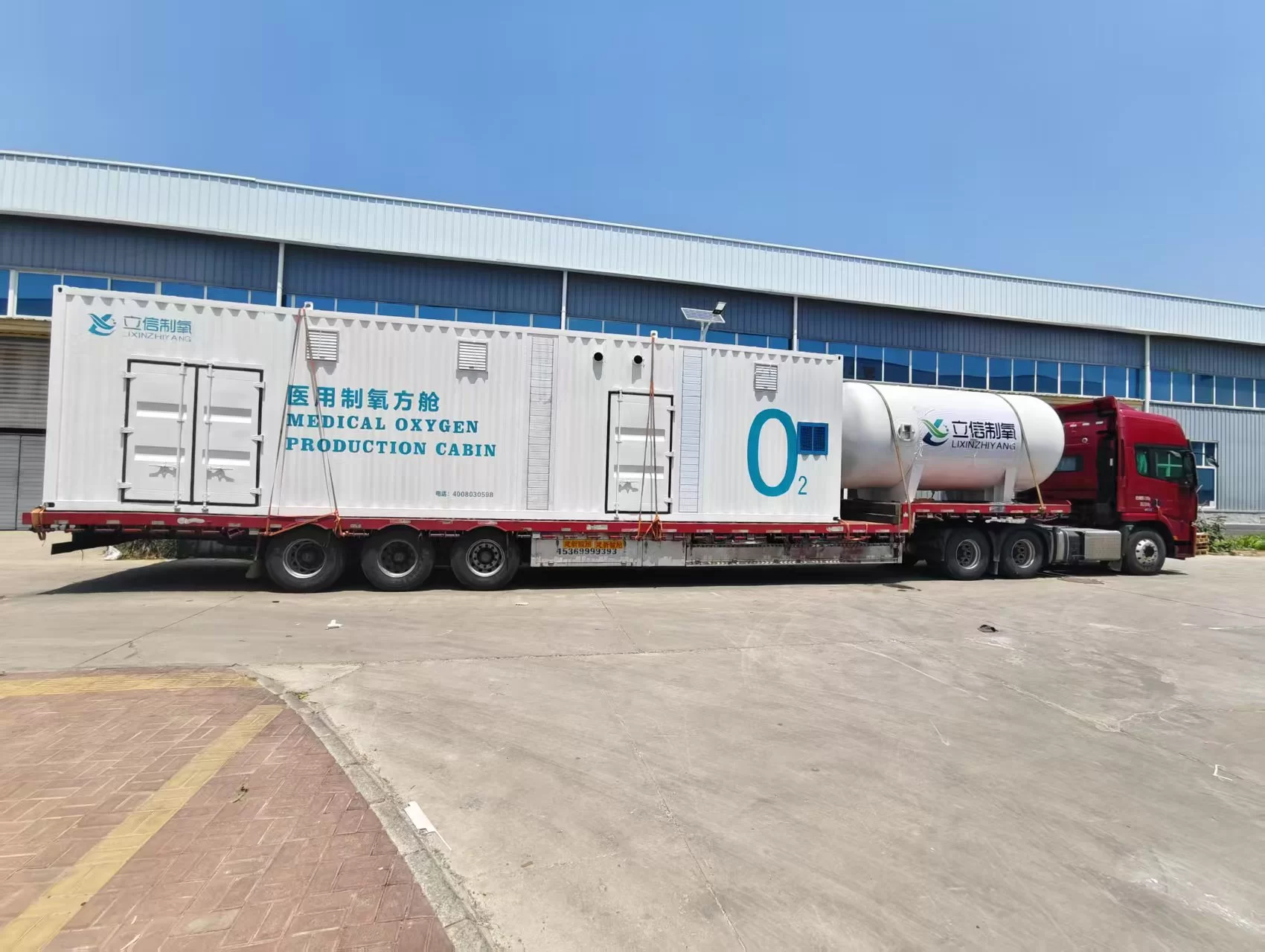
Yes, modular and containerized models offer relatively fast setup times—often within a day—making them ideal for emergency deployment.
Q3: What purity level is standard for medical oxygen?
Typically, medical oxygen plants provide oxygen with at least 93 ± 3% purity, meeting WHO and ISO medical gas standards.
Q4: Are medical oxygen plants cost-effective compared to imported cylinders?
Generally, yes. Although initial investment is higher, reduced logistics and cylinder rental fees bring substantial savings over time.
Q5: How can small hospitals without technical teams manage these plants?
Many vendors offer turnkey solutions with remote monitoring and maintenance contracts. Training local technicians also helps build capacity.
---
Product Specification Table
| Feature |
Specification |
| Oxygen Purity |
93% ± 3% (Medical Grade) |
| Production Capacity |
10 to 1000+ m³/hour |
| Power Supply |
220-240 V AC, 3-phase (also solar-ready options) |
| Automation Level |
Advanced remote monitoring included |
| Installation Time |
1 to 4 weeks |
| Service Interval |
6 months (filters, sieve beds) |
Vendor Comparison for Medical Oxygen Generation Plants
| Vendor |
Capacity Range (m³/hr) |
Installation Time |
Automation Features |
Price Range |
| OxyMed Solutions |
10 - 500 |
2-3 weeks |
Remote monitoring, alert system |
$$$ |
| PureAir Medical |
50 - 1000+ |
3-4 weeks |
Full automation, AI fault prediction |
$$$$ |
| HealthGas Tech |
5 - 200 |
1-2 weeks |
Semi-automated, manual override |
$$ |
On a personal note, I recently spoke with a field engineer who installed a modular plant in a rural hospital. He told me how the staff’s relief was palpable — no more frantic calls for oxygen refills, no more rationing. Sometimes the small tech wins feel like the biggest victories.
---
If you’re interested in exploring tailored solutions or want more details about medical oxygen generation plant options for your facility, do drop by our website. The future of accessible oxygen is a plant away.
References & Resources
- WHO - Medical Oxygen
- United Nations Sustainable Development Goals: Health
- ISO 7396 Medical Gas Pipeline Systems