Hit enter to search or ESC to close
26 November 2025
You might wonder, what’s the big deal about psa oxygen generator manufacturers? Fair question. At a glance, these companies specialize in producing Pressure Swing Adsorption (PSA) oxygen generators — nifty machines that separate oxygen from air with efficiency and reliability. But beyond the tech jargon lies a global health and industrial lifeline. From hospitals scrambling for reliable oxygen supplies during health emergencies, to remote mining operations needing oxygen for processing, PSA oxygen generators are quietly powering essentials around the world.
Especially after recent global events like the COVID-19 pandemic, the demand for oxygen rapidly surged — highlighting glaring gaps in traditional supply chains and exposing fragile healthcare infrastructures. Knowing about these manufacturers, the kinds of products they push out, and how they shape access to oxygen is more than just industrial insight; it’s tied to saving lives and boosting economies.
According to the World Health Organization, nearly 20 million people worldwide require oxygen therapy annually, yet roughly half of that demand goes unmet in low- and middle-income countries (1). That’s staggering. Enter PSA oxygen generators: these devices offer an onsite, reliable, and often cost-effective oxygen supply without complicated logistics. Globally, the market for PSA oxygen generators was valued at approximately $1.2 billion in 2022 and is expected to grow by around 8% annually over the next five years (2).
The challenge these manufacturers address is straightforward yet massive — how to deliver oxygen sustainably, on-demand, and at scale, particularly where infrastructure is weak or absent. Producing oxygen cylinders or liquid oxygen at centralized locations that must then be transported is expensive, risky, and limited by geographic barriers. PSA generators reduce this dependence and empower facilities and industries to be self-sufficient.
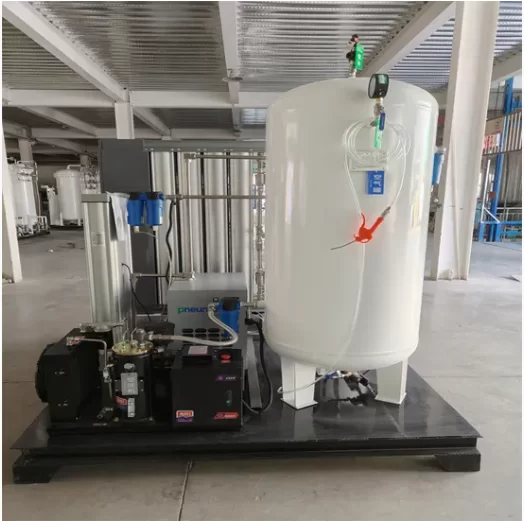
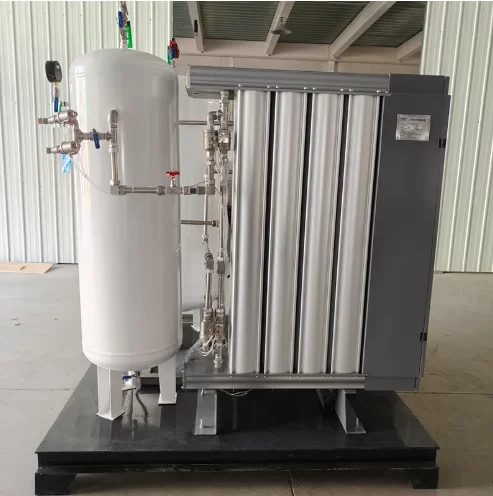
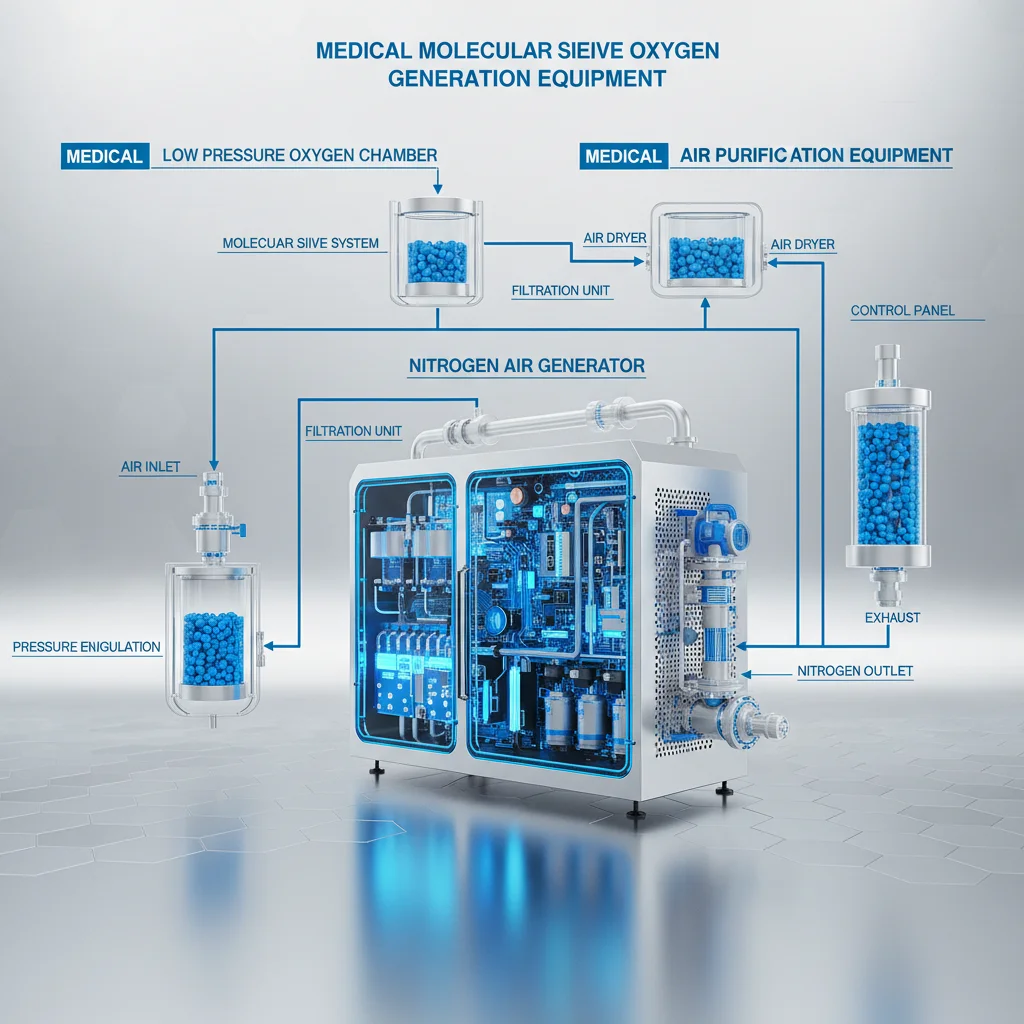
Let's strip away the acronyms. PSA oxygen generator manufacturers are companies that design, build, and distribute machines based on Pressure Swing Adsorption technology. This tech separates oxygen molecules from the nitrogen and other gases in compressed air using special adsorbent materials — usually zeolites. The 'pressure swing' bit involves alternating pressures that help "trap" nitrogen so oxygen-rich air comes out the other end.
These manufacturers blend engineering, materials science, and often strict compliance standards to make sure their units can perform reliably 24/7—whether in a bustling hospital or a desert mining site. Their work links directly to global health initiatives, industrial process safety, and environmental efforts. Oddly enough, without these producers, much of the oxygen-dependent industries we take for granted would struggle.
Machines working to provide medical-grade oxygen can’t just break down randomly. Manufacturers emphasize robust materials and fail-safes because patient safety is on the line. Many units are tested to ISO standards, ensuring long lifespans with minimal maintenance.
From compact models that deliver 5 cubic meters per hour for small facilities, to industrial units pushing 500+ cubic meters, producer versatility matters. The ability to scale output without sacrificing efficiency is a common marker of top manufacturers.
Since PSA generators consume electricity and include expensive adsorbent materials, designing for energy efficiency and easy part replacement can make or break product appeal — especially for developing regions.
Many new models come with digital touch controls and remote monitoring — making it easier for operators to manage oxygen purity levels, detect faults early, or integrate with hospital data systems.
Meeting medical oxygen purity requirements (usually >93%) per pharmacopoeia standards is non-negotiable. Manufacturers often pursue certifications like ISO 13485 to signal commitment to quality.
| Specification | Typical Range | Remarks |
|---|---|---|
| Oxygen Purity | 93% ± 3% | Meets medical-grade specs |
| Capacity | 5 - 500 m³/hour | Varies by model size |
| Power Consumption | 2 - 10 kW | Depends on capacity and efficiency |
| Operating Pressure | 4 - 10 bar | Standard for PSA operations |
| Noise Level | Ensures suitability for hospitals |
Globally, industries and organizations are adopting PSA oxygen generators in ways that sometimes surprise outsiders. For example:
In real terms, it’s about providing dependable, locally produced oxygen rather than depending on unreliable, costly imports that may arrive too late or partially empty. It’s an oxygen revolution that’s quietly transforming health and industry landscapes.
| Manufacturer | Capacity Range (m³/hr) | Certifications | Key Feature | Typical Markets |
|---|---|---|---|---|
| OxyTech Solutions | 5 - 300 | ISO 13485, CE | Energy-efficient adsorbents | Hospitals, Mining |
| PureAir Manufacturing | 10 - 500 | FDA-approved, ISO, CSA | Remote monitoring capabilities | Industrial, Healthcare |
| Global O2 Systems | 5 - 200 | ISO 9001, CE | Portable, modular designs | Emergency relief, Military |
What’s the real impact? For many organizations, PSA oxygen generators are a smart investment, not just a tool:
Many engineers and healthcare administrators swear by these units. It’s not just a machine; it’s peace of mind.
The future looks thrilling. Manufacturers are exploring greener adsorbent materials, integrating IoT sensors for predictive maintenance, and coupling PSA units with renewable energy sources for ultra-low environmental impact. Automation is making setup and scaling easier, even in resource-limited settings. Some prototypes even consider modular PSA generators that can snap together to meet growing demand dynamically.
Policies in many countries are catching up, incentivizing on-site oxygen generation to reduce dependency on imported cylinders. Roughly speaking, this combination of tech and policy might push the industry to new levels of access and sustainability.
Of course, there’s no perfect solution.
I've personally seen NGOs partner closely with manufacturers to tailor solutions and training programs, which goes a long way toward overcoming these hurdles.
In the end, the landscape of oxygen supply is shifting—and psa oxygen generator manufacturers are at the heart of that change. They provide a bridge between raw technology and real-world needs, enabling healthcare, industry, and disaster relief to function better and safer. If you’re involved in healthcare provisioning, industrial design, or humanitarian response, exploring what these manufacturers offer is a solid first step toward smarter oxygen solutions.
Interested in learning more or sourcing a PSA oxygen generator? Visit our website for detailed product specifications, vendor contacts, and expert advice tailored to your needs.