Hit enter to search or ESC to close
27 November 2025
Industrial oxygen plants are the silent workhorses fueling countless industries worldwide — from steel manufacturing to medical facilities and even environmental applications. Knowing the industrial oxygen plant cost isn’t just an accountant’s concern; it’s a strategic factor shaping how businesses and governments allocate resources, especially amid global supply challenges. Oxygen production vastly affects healthcare resilience, especially after recent global health events. Plus, industries pushing innovation, such as aerospace or water treatment, rely heavily on localized oxygen generation.
So, why care about the costs tied to these plants? Well, understanding those costs informs investment decisions, affects product pricing, and even influences accessibility — especially in developing regions. It's a topic that intersects economics, engineering, and social welfare in unexpected ways.
Globally, the industrial gases market, including oxygen production, is expected to hit roughly $85 billion by 2026, according to some projections. The International Organization for Standardization (ISO) standards ensure safety and quality but can also add to costs. Meanwhile, data from the World Bank reveals that oxygen shortages remain critical in low-resource settings — a challenge where local oxygen plants offer a lifeline. But how affordable these plants are varies greatly by technology, location, capacity, and regulation.
One challenge stands out: sourcing oxygen at competitive rates while maintaining reliable supply chains. Post-pandemic, demand surged with hospitals installing or expanding on-site oxygen plants, pushing many businesses to reconsider the total cost of ownership versus buying cylinders. It's a complex puzzle where cost efficiency and operational flexibility collide.
In simple terms, industrial oxygen plant cost refers to the full expenditure involved in setting up and operating a facility that produces oxygen for industrial and medical purposes. This includes initial capital outlays, installation, maintenance, power supply, labor, and consumables — plus ancillary systems for storage and distribution.
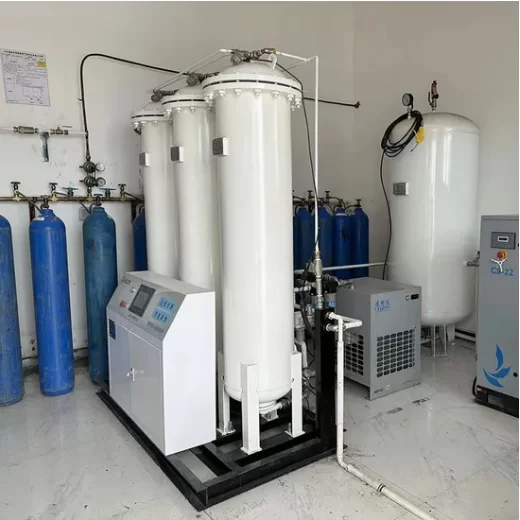
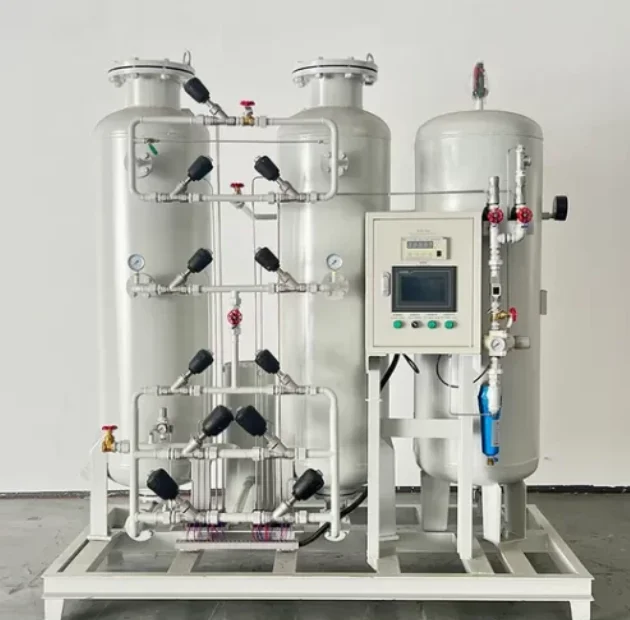
These plants often use technologies like Pressure Swing Adsorption (PSA), cryogenic separation, or membrane systems. Each comes with distinct price tags and scopes. The cost does not only represent dollars spent; it also ties directly into how quickly industries can respond to emergencies or how sustainable their operations can be in the long run.
The size of your plant — whether it produces 5 Nm³/hr or a staggering 500 Nm³/hr — directly scales cost. Bigger capacity means bigger equipment, more complex infrastructure, and heftier utility needs.
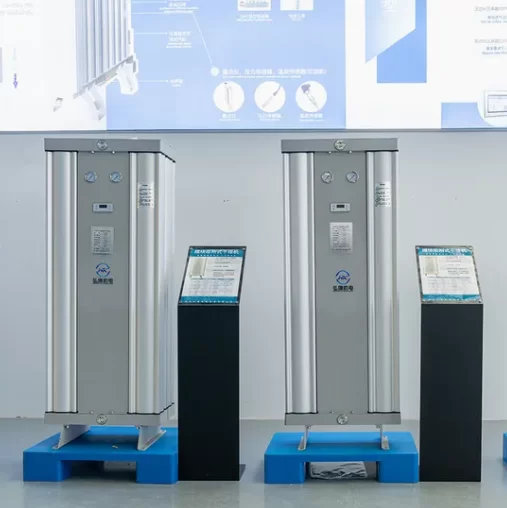
PSA plants are generally more affordable upfront but consume more electricity, whereas cryogenic plants are costlier to build but often more efficient for large-scale oxygen needs. Membrane systems often fit small or mobile applications but have a unique pricing structure.
Costs fluctuate depending on site conditions, local labor markets, and whether customization is required to fit space or environmental constraints.
Ongoing costs like filters, power consumption, part replacements, and skilled operators add up. Neglect here can translate into downtime, which is far more expensive.
Meeting local and international regulations can require additional investment in monitoring systems, certifications, or safety upgrades.
| Specification | Typical Range | Notes |
|---|---|---|
| Production Capacity | 5 – 500 Nm³/hr | Scales by plant size |
| Purity | 93%-99.5% | Depends on tech and application |
| Power Consumption | 1.2 – 5 kW per Nm³/hr | Varies by technology |
| Installation Time | 2 weeks to 3 months | Based on complexity |
| Operational Life | 10-20 years | With proper maintenance |
We've seen how oxygen plants are crucial in steel-making and healthcare, but their reach is wider. In remote industrial zones in Africa and Asia, on-site oxygen plants cut reliance on expensive imports and erratic cylinder deliveries. Post-disaster relief efforts, like those following earthquakes or floods, have deployed portable PSA oxygen plants in field hospitals to save lives.
Even water treatment plants use oxygen-enriched systems to improve efficiency. This breadth of usage highlights why understanding and managing industrial oxygen plant costs is globally important.
| Feature | Vendor A | Vendor B | Vendor C |
|---|---|---|---|
| Equipment Type | PSA | Cryogenic | Membrane |
| Typical Cost Range | $40k - $150k | $200k - $1M+ | $25k - $80k |
| Installation Time | 2-4 weeks | 2-3 months | 1-3 weeks |
| Energy Efficiency | Medium | High | Low to Medium |
| Best Use Case | Hospitals, mid-size plants | Large industrial complexes | Small-scale or mobile uses |
Frankly, these advantages mean industries aren’t just buying equipment; they’re investing in stability and future readiness.
Doubling down on green goals, many plants now integrate digital control systems that optimize energy use in real time. New adsorbent materials promise higher efficiency at lower costs, which in turn improves overall plant economics. Automation is reducing dependency on manual oversight without compromising safety — an exciting leap for remote or hazardous locations.
Moreover, hybrid models combining different technologies could soon blur traditional cost lines by customizing oxygen generation better for variable needs.
Cost overruns often stem from unforeseen installation challenges or maintenance neglect. Choosing the wrong technology for scale can spiral operational expenses. Many engineers suggest comprehensive site assessments and phased implementation to keep industrial oxygen plant costs predictable. Additionally, partnering with vendors offering robust aftersales service can dramatically reduce downtime and surprise expenses.
A: Generally, larger capacity means higher upfront investment due to bigger equipment and infrastructure. However, economies of scale often reduce cost per Nm³ of oxygen produced, making bigger plants more cost-efficient in the long run.
A: PSA plants usually require lower capital expenditure but consume more electricity. Cryogenic plants have higher setup costs but can be more energy-efficient at large scales. Your choice depends on budget, capacity needs, and operational priorities.
A: Absolutely. Compliance with safety and environmental standards often requires additional equipment, monitoring systems, and certifications — all contributing to the final cost.
A: Installation times vary from 2 weeks for small PSA units to 3 months or more for large cryogenic plants, depending on complexity, site readiness, and customizations.
Understanding and managing industrial oxygen plant cost is undeniably complex but richly rewarding. It’s an investment not only in oxygen but in operational independence, local capacity, and resilience — qualities the modern world prizes highly. If you’re considering your options or just looking to deepen your knowledge, it’s wise to explore solutions with trusted vendors and fit your budget realistically.
Curious to dive further? Check out industry resources or industrial oxygen plant cost guides online — and see how you can make your next oxygen plant project a sustainable success.