Hit enter to search or ESC to close
28 November 2025
When we think about hospitals and healthcare, oxygen may not always be the hero of the story, but it’s undoubtedly one of the quiet lifesavers. A central oxygen supply system in hospital isn’t just some technical jargon — it’s the backbone of care for patients needing respiratory support, surgeries, or emergency interventions. Globally, understanding how these systems function affects patient survival rates, healthcare efficiency, and ultimately, trust in medical facilities.
With respiratory illnesses on the rise and global health crises like pandemics stretching resources, a reliable oxygen supply not only saves lives but can also reduce costs and waste in healthcare. Why does this matter globally? Well, especially in low-resource countries or remote areas, having centralized oxygen can make the difference between life and death — there’s no hyperbole there, just the hard truth we often overlook.
Worldwide, the healthcare sector is under pressure. According to the World Health Organization, up to 15% of patients hospitalized with severe illnesses require oxygen therapy. This demand has exploded amidst respiratory epidemics and aging populations. The United Nations estimates that roughly 50% of global healthcare facilities have inadequate centralized oxygen infrastructure, especially in low-income regions.
One challenge? Many hospitals still rely on oxygen cylinders or portable tanks, making delivery inefficient and sometimes dangerous due to supply interruptions. A centralized supply system addresses this head-on, ensuring a stable, continuous flow of medical-grade oxygen exactly where it’s needed.
Put simply, a central oxygen supply system is an integrated network that generates or stores oxygen in bulk—usually in liquid or high-pressure gas form—and distributes it through pipelines to multiple points in a hospital like operating rooms, ICUs, and wards. Think of it as a dedicated oxygen highway inside hospital walls.
The connection to modern medicine is direct and profound. This system supports breathing assistance devices such as ventilators and anesthetic machines and is critical in emergency care, neonatal units, and even routine patient care. Without it, hospitals would have to rely on patchy manual deliveries — which frankly, would not cut it.
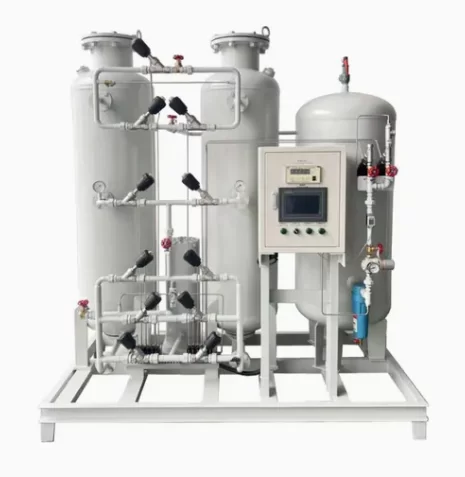
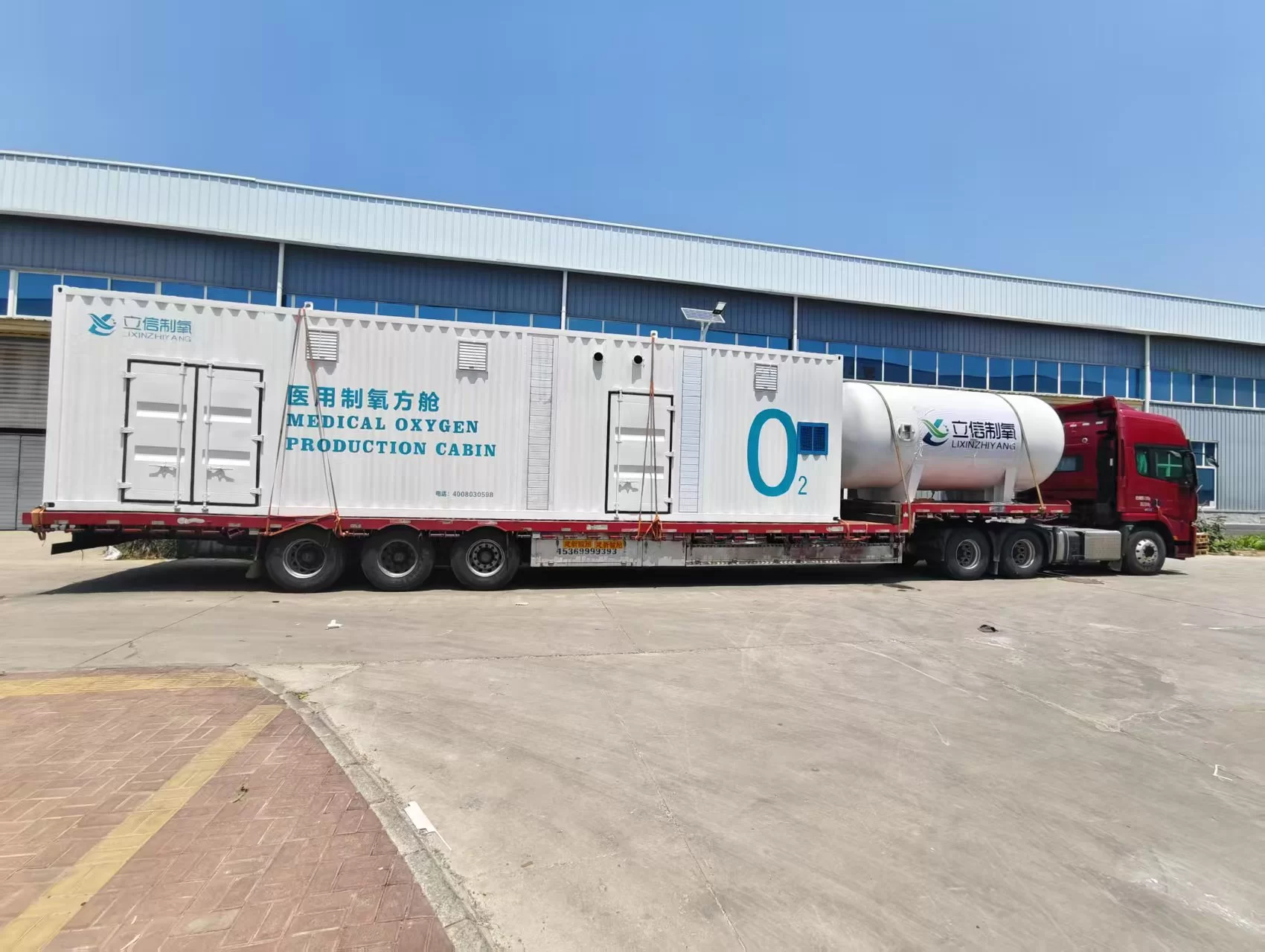
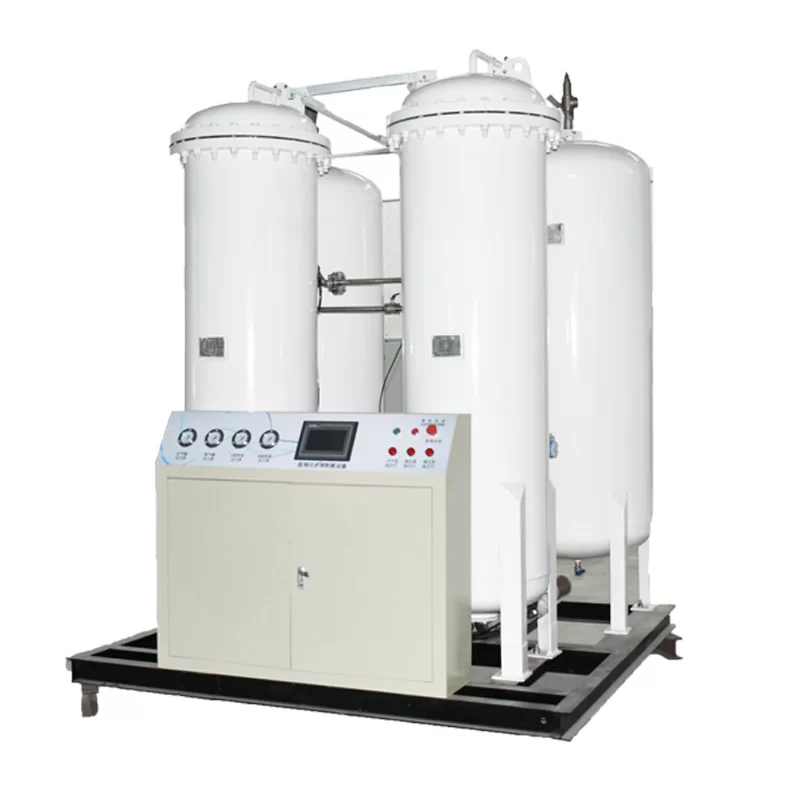
This includes on-site oxygen generation units (such as PSA plants) or liquid oxygen storage tanks. The choice depends on hospital size, location, and reliability needs.
Pipelines made of corrosion-resistant materials transport oxygen with minimal losses to various outlets across the hospital.
To maintain safe pressure levels and alert staff in case of drops or leaks.
These allow precise oxygen delivery to patients through wall outlets.
Redundancies like cylinder banks or emergency power supplies to ensure uninterrupted service.
Mini takeaway: Each element, from source to outlet, must be reliable and well-maintained to secure continuous patient care.
Different parts of the world have embraced central oxygen supply in hospitals with varying success. In developed countries, it's standard — think of major hospitals in the US, Europe, or Japan, equipped with sophisticated monitoring and automation systems. These systems also reduce the carbon footprint compared to using disposable cylinders.
In contrast, many hospitals in Africa or parts of Asia still depend on oxygen cylinders due to infrastructure or cost hurdles. However, projects by WHO and others have successfully installed central oxygen supply system in hospital setups in regions like Uganda or Bangladesh — especially critical during the COVID-19 pandemic.
In more unique settings, such as remote mining sites or disaster zones, portable centralized oxygen units have been deployed rapidly, showing how adaptable the system concept can be.
| Component | Description | Typical Range | Notes |
|---|---|---|---|
| Oxygen Source | Liquid oxygen tank or PSA generator | 5,000 to 15,000 liters | Bulk storage for continuous supply |
| Pipeline Network | Copper or stainless steel tubing | Up to 500 meters of piping | Designed for low leakage |
| Pressure Regulation | Automatic valves and alarms | 50-55 psi typical pressure | Safety critical |
| Backup Cylinders | High-pressure gas cylinders | Varies by hospital size | Emergency supply |
| Outlet Terminals | Wall-mounted flowmeters & connectors | Multi-flow range: 0–15 LPM | Direct patient connection |
The advantages don’t just stop at steady oxygen flow. Hospitals enjoy long-term cost reduction thanks to efficient bulk delivery and less manual handling. Environmentally, centralized systems cut down plastic waste from disposables and reduce emissions linked to transport.
But there’s also a less tangible benefit: the feeling of safety and dignity for patients who need oxygen. Knowing their hospital has a reliable system builds trust and can even improve recovery outcomes. From a staff perspective, ease of operation and real-time monitoring means fewer emergencies tied to oxygen failures.
Innovation doesn’t stand still. Green energy integration is becoming a big deal. Some modern systems use solar-powered compressors or energy-efficient liquid oxygen plants to reduce the carbon footprint. Then you have digital IoT sensors that constantly track oxygen purity, pressure, and flow — enabling predictive maintenance so breakdowns become rare.
Automation also promises safer, more customizable oxygen delivery — from AI-controlled ventilator adjustments to remote monitoring for rural hospitals. Frankly, it feels like we’re at the start of a quiet revolution in something that’s been around for decades.
Challenges do exist, though. Infrastructure costs can be prohibitive for underfunded hospitals; pipeline corrosion and leakages pose risks; and lack of trained technicians sometimes compromises system integrity.
Solutions? Innovative modular PSA oxygen plants are being deployed with lower upfront costs. New anti-corrosion pipeline coatings and leak detection tech improve safety. Plus, international collaborations and training programs help build local expertise — a critical piece of the puzzle, really.
| Vendor | Strengths | Price Range | Supporting Services |
|---|---|---|---|
| OxyHealth Systems | High reliability, solar-powered options | $$$ | Installation and 24/7 support |
| MedAir Technologies | Portable PSA plants, modular units | $$ | Training and maintenance packages |
| Global Oxygen Solutions | Established network, custom pipelines | $$$$ | Full project management |
Centralized systems typically offer higher reliability because they provide a continuous oxygen flow through fixed pipelines, reducing the risk of supply interruption compared to cylinders, which need regular replacement or refilling. Additionally, systems include alarms and backups to maintain uninterrupted service.
Absolutely. Modular PSA plants make it feasible for smaller or rural hospitals to implement tailored oxygen supply networks without enormous upfront investment. These setups improve patient care quality and reduce dependency on outside cylinder deliveries.
Regular inspections of pipelines and pressure valves, replacement of filters, and testing of alarms are essential. Many hospitals partner with vendors offering maintenance contracts to ensure system longevity and safety.
Compared to frequent cylinder transport and disposable supplies, centralized systems reduce carbon emissions and plastic waste. Especially with newer green energy integrations, their environmental footprint improves significantly.
To sum up, a well-designed central oxygen supply system in hospital isn’t just a technical convenience — it’s a cornerstone of effective, trustworthy healthcare delivery. By marrying efficiency, safety, and sustainability, these systems save money, reduce risk, and most importantly, save lives. If you’re part of hospital management or procurement, exploring robust oxygen supply solutions should be a priority.
Curious about what’s best for your facility? Visit our main resource page for more detailed guides and vendor connections.
Thoughts to ponder: In healthcare, often the most life-saving inventions are those working silently in the background — oxygen supply systems certainly fit that bill.