Hit enter to search or ESC to close
28 November 2025
Oxygen: such a basic element, yet so critical that without it—especially its controlled, purified forms—modern life, medicine, and industry would gradually grind to a halt. Central O2 supply systems are the invisible backbone of hospitals, manufacturing plants, and emergency relief efforts worldwide. They ensure a reliable flow of oxygen where and when it’s needed, in scalable amounts, under tight quality controls. From keeping premature babies breathing in neonatal units to facilitating metal cutting in factories, understanding central o2 supply means grasping a core part of our industrial and humanitarian infrastructure. And frankly, it’s also a fascinating story of engineering meeting life-saving necessity.
Mini takeaway: Central oxygen supply is essential across many fields, bridging medical safety and industrial efficiency.
According to WHO data, over 20 million patients worldwide require oxygen therapy annually, yet access remains inconsistent, especially in under-resourced areas. The UN’s Sustainable Development Goals emphasize health and infrastructure — both heavily reliant on dependable oxygen delivery. Even in developed countries, demand jumps unexpectedly during crises — like the COVID-19 pandemic — revealing bottlenecks in oxygen infrastructure.
Industrially, oxygen drives processes in steelmaking, chemical production, and wastewater treatment. And virtually every hospital, clinic, and lab depends on central o2 supply systems to provide consistent, purified gases. But challenges remain in managing costs, maintaining safety, and rapidly scaling supply during emergencies. Some regions face logistical hurdles due to remote locations or unstable grids, raising the stakes for robust and flexible oxygen delivery technologies.
Mini takeaway: The wide demand and vulnerability of oxygen supply push innovations in central o2 systems worldwide.
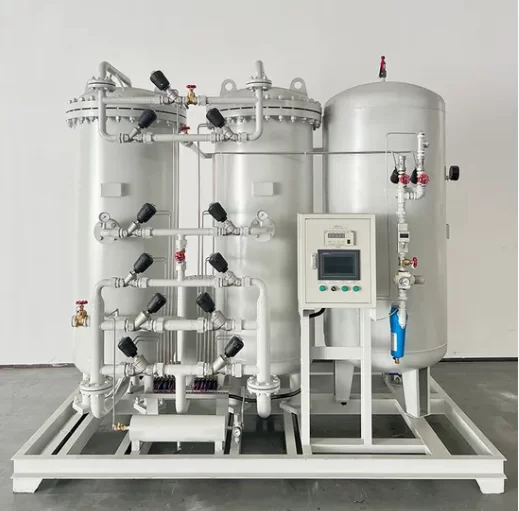
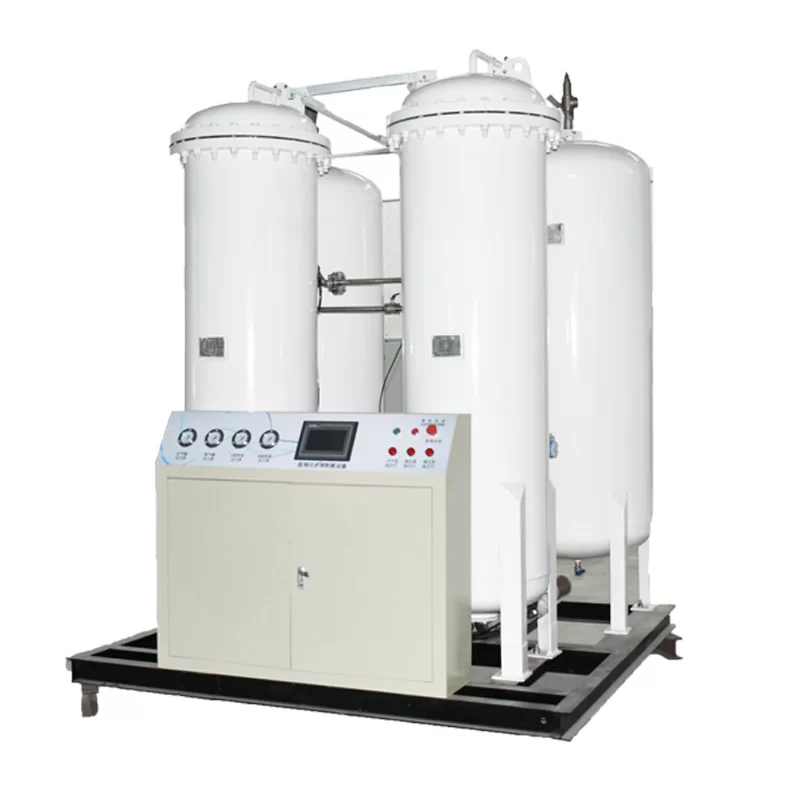
In essence, central o2 supply refers to the integrated system that produces, stores, and distributes oxygen to multiple points within a facility or region, rather than relying on individual, portable oxygen tanks. Think of it like a mini oxygen “utility grid.” This can involve large bulk tanks, pressure swing adsorption (PSA) oxygen generators, or liquid oxygen storage connected via pipelines to patient rooms, industrial equipment, or emergency stations.
It removes the need for constantly replacing cylinders and ensures oxygen is delivered at the correct pressure, flow, and purity. In humanitarian contexts, these systems provide lifesaving oxygen continuously during natural disasters or disease outbreaks, saving both lives and resources.
Mini takeaway: Central O2 supply is an integrated, centralized system delivering oxygen safely and efficiently across multiple endpoints.
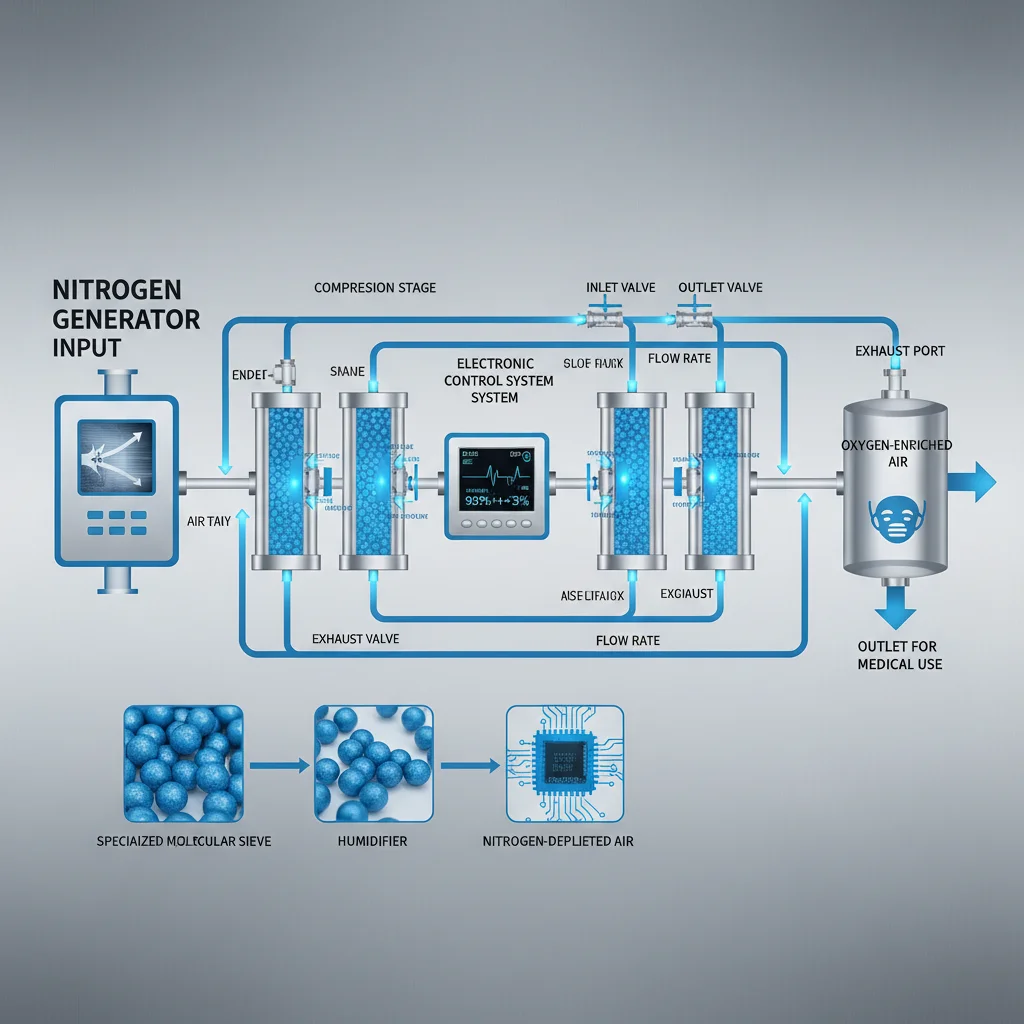
The heart of many central systems is the oxygen generator. Common technologies include PSA units that separate oxygen from air using adsorption materials, or cryogenic plants creating liquid oxygen. Choice depends on scale, purity needs (~93-99.5%), and location logistics.
Storage buffers the supply chain, allowing constant availability during peak demand or generator downtime. Bulk liquid tanks or high-pressure cylinder banks are commonly used—with fill levels carefully monitored.
In hospitals or factories, medical or industrial-grade pipelines distribute oxygen to terminals or machines. This network requires regular testing and maintenance to prevent leaks or contamination.
These systems provide real-time feedback on pressure, purity, and flow, alerting operators to issues before they affect end-users. Digital control panels and remote monitoring are becoming industry standards for reliability.
Because oxygen supports combustion vigorously, integrated safety devices such as flashback arrestors, pressure relief valves, and strict material standards are crucial for fire prevention.
| Component | Typical Range | Notes |
|---|---|---|
| Oxygen Purity | 93% - 99.5% | Depends on technology and standards |
| Storage Capacity | Up to 10,000 liters (bulk tanks) | Liquid or gaseous storage |
| Pressure Range | 2 - 10 bar (medical pipelines) | Ensures consistent flow at outlets |
| Flow Rate | Up to 60 L/min per outlet | Adjustable for patient or industrial needs |
| Monitoring | Digital with remote alerts | Supports preventive maintenance |
Mini takeaway: Central O2 supply systems are complex assemblies balancing generation, storage, distribution, and safety into streamlined operations.
Hospitals in urban centers typically use centralized liquid oxygen plants feeding entire campuses, ensuring no interruptions during surgeries or intensive care. Deployments in remote industrial zones, such as mining sites or oil rigs, often use on-site PSA generators paired with cylinder banks due to logistical challenges of liquid deliveries.
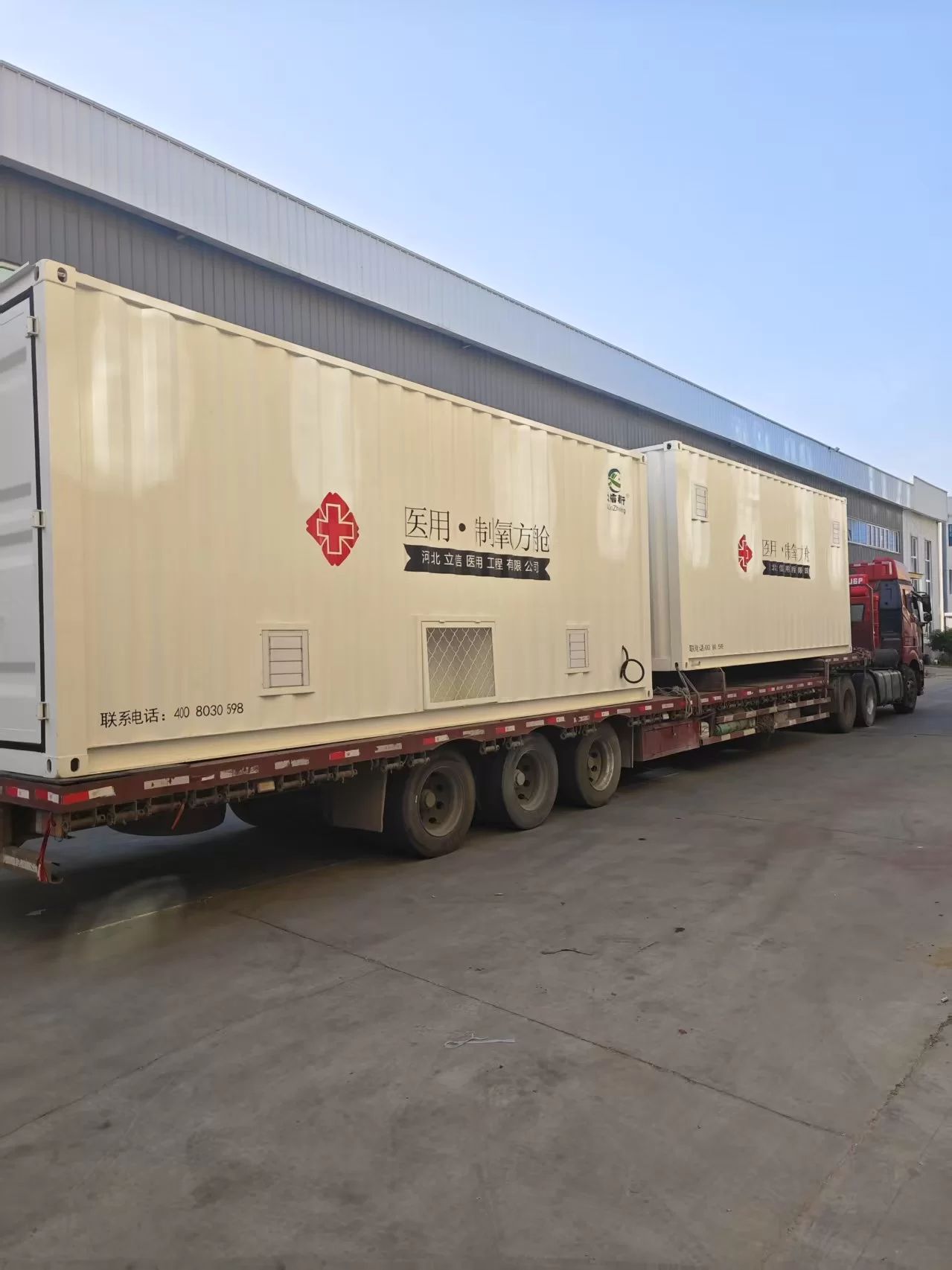
During recent earthquake recovery efforts in Southeast Asia, emergency central o2 supply units powered mobile field hospitals — a classic example of flexibility saving lives when standard infrastructure is down.
Even beyond healthcare, oxygen is infused in water treatment plants to improve efficiency or in glass manufacturing to cut costs and emissions. These diverse uses make the case for versatile, durable oxygen supply systems.
Mini takeaway: Central oxygen systems adapt globally—from urban hospitals to off-grid industrial setups to disaster relief operations.
There's also an emotional comfort in knowing the supply "just works," especially in stressful hospital settings. You might not notice it — but your breath or business really depends on it.
We’re seeing a push toward greener oxygen production: electrically powered PSA units using renewable energy sources, plus smarter digital controls integrating with hospital IoT networks. Carbon footprint reduction is becoming a key design driver, with manufacturers exploring new adsorbent materials to boost efficiency.
Automation and remote diagnostics mean fewer on-site personnel needed—great for rural clinics or industrial plants where expertise is scarce. And modular system designs offer rapid deployment in emergencies, making relief logistics simpler.
Mini takeaway: The future of central o2 supply is greener, smarter, and faster to deploy—perfect for a world needing agility and sustainability.
Though indispensable, central oxygen systems face hurdles: infrastructure costs, energy dependency, pipeline integrity, and supply chain complexities. For instance, rural hospitals sometimes rely on expensive oxygen cylinder deliveries, which can be irregular.
Some experts recommend hybrid systems combining on-site PSA generation with backup cylinders to hedge against outages. Regular maintenance, staff training, and remote monitoring software help detect leaks early and reduce operational risks.
Innovations like solar-powered PSA units or 3D-printed pipeline valves are also breaking new ground to tackle affordability and logistics challenges.
Mini takeaway: A mix of improved tech, maintenance, and hybrid models is key to overcoming central oxygen supply challenges.
| Vendor | Technology Offered | Typical Capacity | Special Features | Ideal Use Case |
|---|---|---|---|---|
| OxyTech Systems | PSA Generators + Storage tanks | Up to 500 Nm³/hr | Remote monitoring, solar compatible | Healthcare & industrial plants |
| PureGas Solutions | Cryogenic oxygen plants | 10,000+ Nm³/hr | Bulk liquid delivery integration | Large hospitals, refineries |
| MediO2 Corp | Modular PSA units | Up to 100 Nm³/hr | Quick deploy & compact design | Emergency relief, rural clinics |
When you stop to think about it, oxygen is one of those invisible lifelines — silent, ubiquitous, yet utterly indispensable. Central O2 supply systems will only grow in importance as global healthcare demands rise and environmental pressures push for cleaner, smarter technologies. Whether in a bustling megacity hospital or a remote disaster zone, reliable oxygen supply means safety, dignity, and innovation all in one.
For anyone managing healthcare infrastructure, industrial gas applications, or emergency response logistics, keeping central o2 supply front and center is a no-brainer. If you’re curious to learn more or explore solutions tailored to your needs, check out our website to get started.