Hit enter to search or ESC to close
29 November 2025
Oxygen — it's that invisible, odorless gas all around us, essential to life itself. But what happens when we need to supply oxygen on demand, outside nature’s rhythm? Enter the oxygen supply system: a vital setup quietly powering hospitals, industrial plants, and even emergency shelters worldwide. Its importance stretches beyond just medical use — spanning manufacturing, disaster relief, and remote operations. Understanding these systems means grasping a technology that literally saves lives and fuels modern progress.
In a world steadily becoming more reliant on technology and sophisticated healthcare, oxygen supply systems form a backbone that isn’t flashy but absolutely crucial. They ensure consistent, regulated oxygen flow — a matter of life, safety, and efficiency.
It might surprise you that the oxygen delivery market is expected to grow at a steady clip of over 8% globally through the next decade (source: WHO). The COVID-19 pandemic brought oxygen supply systems to the forefront, exposing gaps in infrastructure, especially in low-resource regions. According to UN data, nearly 40% of health facilities in low-income countries still lack reliable oxygen sources — a staggering figure when you think about it.
Industries beyond healthcare— like manufacturing, aquaculture, and aviation— also depend heavily on controlled oxygen delivery. The rise in urbanization, industrial expansion, and heightened safety standards is fueling demand for oxygen systems that are more robust, precise, and scalable. But challenges remain: many systems struggle with portability, energy use, and maintenance costs that make access uneven worldwide.
Mini takeaway: globally, oxygen supply systems are not just a medical nicety; they're foundational to sustainable development, industrial growth, and emergency preparedness.
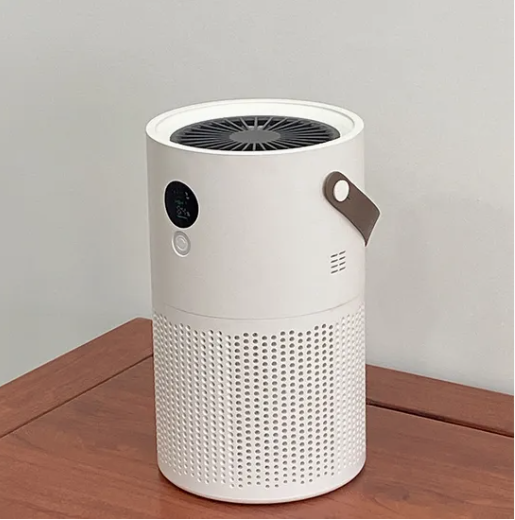
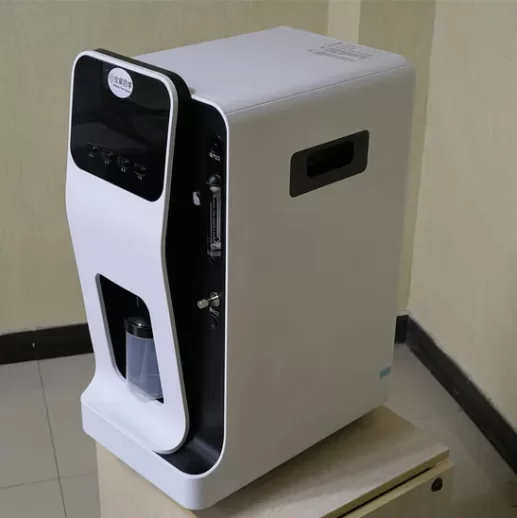
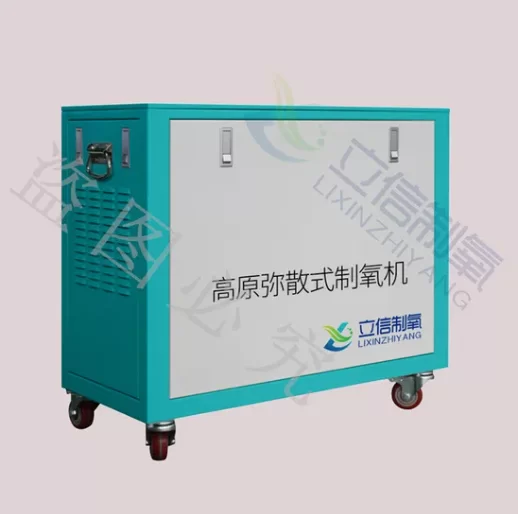
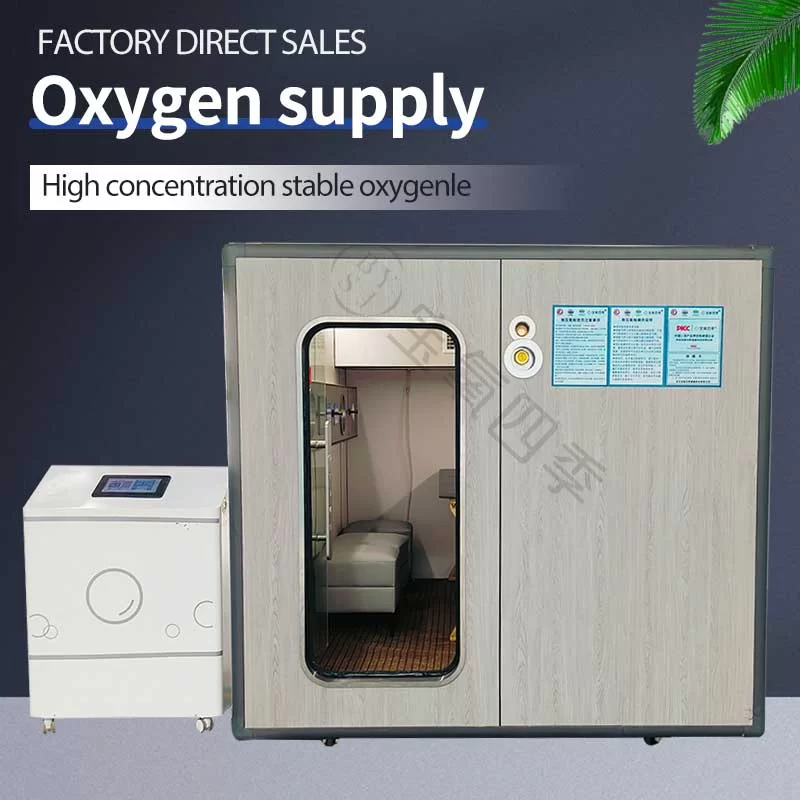
In simple terms, an oxygen supply system is any apparatus or network designed to store, generate, and deliver oxygen gas to a user or process in a controlled manner. This could be as compact as a portable oxygen concentrator for patients or as extensive as a centralized pipeline system in a major hospital.
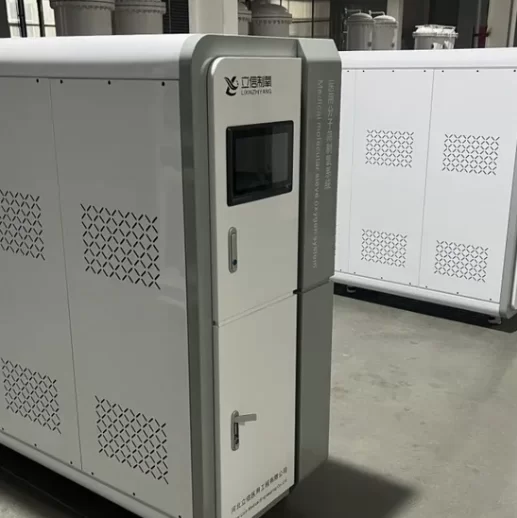
Oxygen systems typically include one or more of these core components: storage vessels (like high-pressure tanks or cryogenic containers), generation units (such as Pressure Swing Adsorption or PSA systems), pipelines, flow regulators, and delivery interfaces. In industry, these might be integrated with machinery that burns fuel or treats materials, while in healthcare, the focus is on purity, sterility, and reliable flow.
It's an intersection of chemistry, engineering, and practical needs — where human wellbeing and productivity converge.
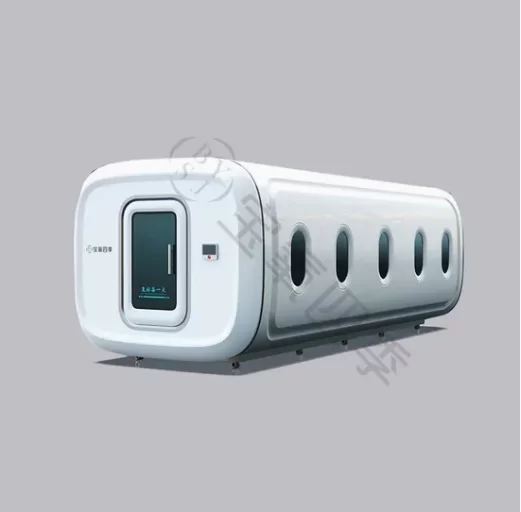
From a single-patient concentrator to multi-hospital oxygen networks, the system must adapt in size and throughput. Scalability impacts everything from cost planning to safety protocols. Many modern units are designed modularly to allow easy expansion as demand grows — say, during a health crisis or industrial ramp-up.
Oxygen supply systems are often deployed in harsh environments—field hospitals, remote mines, or maritime vessels—where downtime isn’t an option. Components must withstand temperature swings, vibrations, and continuous use. Engineers often stress-test materials and seals to ensure long service life with minimal maintenance.
Especially critical for breathing oxygen, gas purity standards (often 90–99% O₂ concentration) govern system design. Lower purity can be harmful or ineffective in medical settings, while higher industrial applications demand custom blends or gas mixtures.
Generating or storing oxygen consumes energy. With rising focus on sustainability, systems that reduce power consumption — for example, more efficient compressors or solar-powered units — are gaining traction. This is a real boon for off-grid locations.
Oxygen-enriched environments pose fire risks. Supply systems incorporate sensors, pressure relief valves, and emergency shutoffs to mitigate hazards. Standards like ISO 7396-1 govern such features.
Mini takeaway: design balance between performance, safety, cost, and environmental footprint makes or breaks an oxygen supply system’s success.
For example, in the aftermath of wildfires in California, emergency teams deployed mobile oxygen supply systems to assist smoke-affected patients, demonstrating how the right equipment can mean the difference between life and death.
The benefits truly touch on safety, dignity, and innovation:
| Specification | Model A (Portable) | Model B (Industrial PSA) | Model C (Cryogenic Storage) |
|---|---|---|---|
| Capacity (L/min) | 5–10 | 500–3000 | Varies, up to 10,000+ |
| Purity Level (%) | >90 | 95–99+ | 99+ |
| Power Source | Battery/Electric | Electric Grid | Cryogenic Cooling |
| Mobility | High | Medium | Low |
| Estimated Lifespan | 5 years | 10–15 years | 20+ years |
| Vendor | Product Range | Global Presence | Innovations | Price Range |
|---|---|---|---|---|
| OxyGenPro | Portable, Industrial PSA | 72 countries | Solar-powered concentrators | $$-$$$ |
| CryoFlow Systems | Cryogenic Tanks, Pipelines | 45 countries | Automated temp control | $$$ |
| MedOxy Solutions | Hospital Systems, Portable Units | 60 countries | AI-based flow optimization | $$ |
Honestly, the future looks pretty promising and full of surprises. We're seeing a rapid integration of digital controls, predictive maintenance, and energy harvesting technologies. For instance, some new systems adopt IoT sensors to monitor oxygen purity and flow rates remotely. This means fewer manual checks and earlier issue detection.
Green energy adoption is also accelerating — solar-powered compressors and battery-operated portable units redefine how we think about off-grid oxygen supply. There’s also exploration into hydrogen-oxygen fuel cells that could merge energy needs with gas supply in one neat package.
One of the thorny issues remains: how to make oxygen readily available in remote, under-resourced areas without reliable electricity or costly logistics. The answer isn't a single silver bullet but a combination of scalable, low-maintenance units complemented by better training and support.
Innovations such as compact oxygen concentrators equipped with solar input or hybrid battery backup are making headway. Plus, partnerships between international NGOs and manufacturers ensure systems are customized for local environmental and operational realities.
A1: While both require reliable oxygen delivery, hospital systems prioritize medical-grade purity, safety standards, and seamless integration with patient care devices. Industrial systems might tolerate slightly lower purity but focus more on volume and process control. Also, safety protocols differ due to varying fire hazards.
A2: Routine maintenance often involves cleaning or replacing filters, checking sensors and alarms, and scheduling periodic servicing of compressors and valves. Proper upkeep extends lifespan and maintains oxygen purity. Many units also feature self-diagnostic systems to flag issues early.
A3: Many portable units include battery backup, allowing continuous oxygen delivery during outages for several hours. However, extended power failures require either fuel-based backup or cylinder supply. Planning for such contingencies is critical in healthcare.
A4: Yes, various standards exist, including ISO 7396 for pipeline systems in medical facilities and ISO 13485 for medical devices. These ensure quality, safety, and interoperability of components across borders.
In the end, oxygen supply systems are silent enablers of modern life and health. They transform invisible air into a carefully measured, life-sustaining flow. Whether to aid a patient recovering from disease or fuel an industrial furnace, these systems embody reliability, innovation, and progress.
For organizations seeking trustworthy, efficient solutions, exploring options at https://www.storeoxygen.com is a great starting point. The technology is ready, the need urgent — the only question is how quickly we can bridge gaps in access.
Until then, oxygen continues to flow quietly, steadily — a reminder of how even invisible things matter more than you'd guess.
References:
1. World Health Organization - Medical Oxygen
2. United Nations Data on Oxygen Facility Access
3. ISO 7396-1 Medical Gas Pipeline Systems Standard