Hit enter to search or ESC to close
29 November 2025
Oxygen—the very breath of life—is something most of us take for granted. But when it comes to modern healthcare, especially hospitals, the oxygen supply system in hospital is nothing short of a lifeline. Globally, millions of patients depend on reliable oxygen delivery to survive and recover from illnesses. As medical technology advances, understanding the essentials of oxygen supply systems has never been more crucial.
Why does it matter on a global scale? Well, rough estimates by the World Health Organization (WHO) show that 20-30% of hospital admissions require oxygen therapy. This is especially true in times of crises—think pandemics, natural disasters, or remote health settings where infrastructure is lacking. A dependable oxygen supply system saves lives, cuts costs, and enhances care quality. So, understanding how these systems work—and where they can improve—is a vital piece of the healthcare puzzle worldwide.
The demand for oxygen in hospitals grew exponentially during the COVID-19 pandemic, casting a harsh spotlight on the gaps in oxygen infrastructure across many countries. The United Nations and WHO reported that low- and middle-income countries especially struggled to meet oxygen demand.
According to recent WHO data, nearly 70% of low-resource hospitals lack adequate oxygen supply infrastructure or fail to provide consistent oxygen delivery to critical patients. That's a staggering number when you think of oxygen’s life-saving importance. It’s not just about quantity but also about quality, reliability, and proper system integration.
The challenge is complex. Supplying oxygen efficiently requires reliable electricity, proper storage, trained personnel, and equipment designed specifically for the medical context. For instance, running an oxygen plant or having cylinders on hand isn’t enough if distribution networks in the hospital are faulty.
At its core, an oxygen supply system in hospital is an interconnected set of equipment and infrastructure designed to ensure oxygen gas is safely and reliably delivered to patients. This may include oxygen generation plants onsite, high-pressure cylinders, pipeline distribution networks, flow meters, regulators, and delivery devices like masks or nasal cannulae.
In simplest terms: It’s the medical version of your home’s plumbing system—but instead of water, it's delivering clean, medical-grade oxygen directly where it’s urgently needed.
These systems are intertwined with modern healthcare practices. Whether for anesthesia administration, respiratory support, or emergency resuscitation, their presence can mean the difference between life and death. Plus, many humanitarian and industrial organizations rely on mobile or modular supplies for emergency and remote settings.
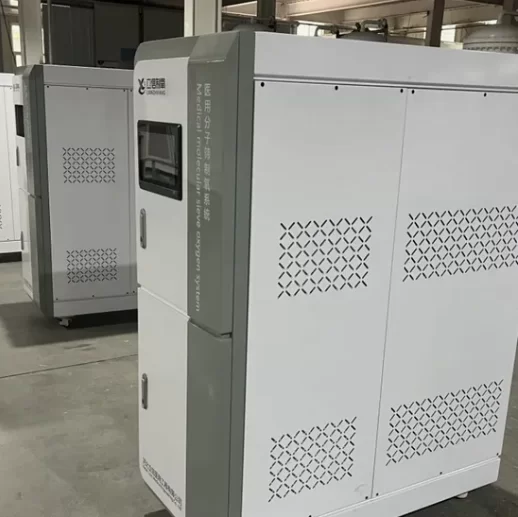
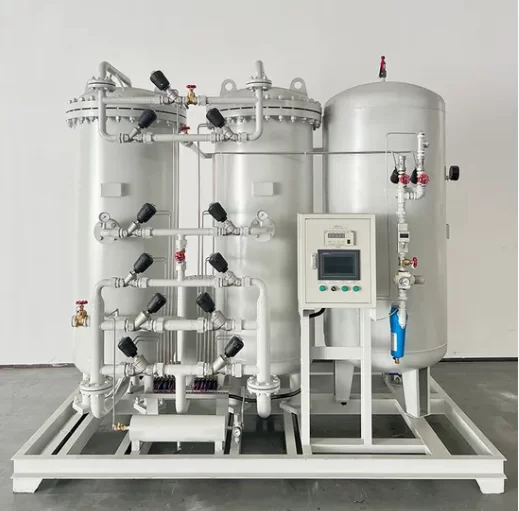
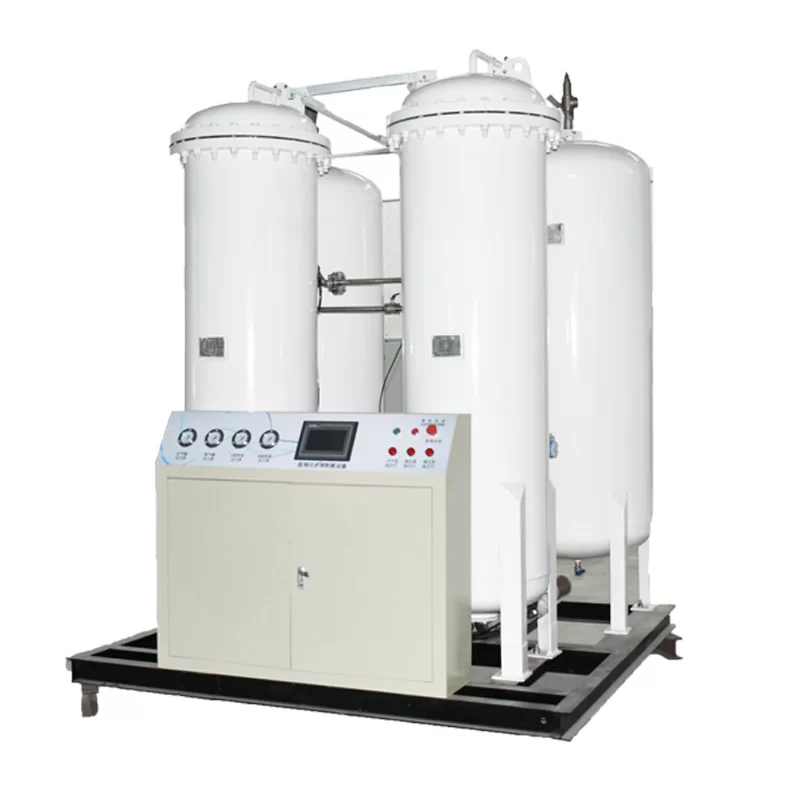
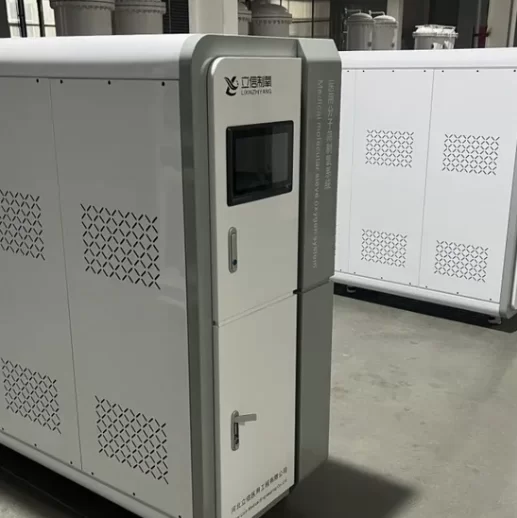
Hospitals may use Pressure Swing Adsorption (PSA) oxygen generators that extract oxygen from ambient air—cutting down reliance on delivered cylinders. These units vary from portable versions to large plants supplying an entire hospital.
Oxygen can be stored as high-pressure gas cylinders or as cryogenic liquid oxygen in large tanks. Each has its pros. Cylinders are portable and straightforward but require frequent replacement, whereas liquid oxygen tanks offer large volumes but come with handling complexity.
Often overlooked, the hospital pipeline network transports oxygen to wards, ICUs, and operating rooms. Proper design and maintenance here are critical to avoid leaks, pressure drops, or contaminants.
These are the end user tools—like masks, nasal cannulae, ventilators—that actually administer oxygen to patients in the right dose and form.
To prevent hazards—over-oxygenation, fire risk—continuous monitoring of flows, pressures, and oxygen concentration is vital.
To sum up, a hospital’s oxygen supply system is a carefully engineered chain, designed to meet clinical needs safely and efficiently. Each component's reliability directly impacts patient care.
Globally, oxygen supply systems play critical roles beyond everyday hospital use:
In sub-Saharan Africa, innovative NGO partnerships have deployed containerized oxygen plants that provide reliable supply in rural hospitals—sometimes the only lifeline to patients needing respiratory support. Similarly, Nordic countries emphasize green-powered oxygen generation aligned to sustainability commitments.
Oxygen supply systems are not just hospital staples —they’re key enablers of equitable healthcare delivery in every corner of the world.
The benefits of robust oxygen systems are plentiful and nuanced:
Most engineers I’ve talked to emphasize the intangible but crucial aspect: a well-designed oxygen system gives caregivers confidence. And that emotional peace-of-mind translates directly into better care decisions.
| Component | Typical Specification | Notes |
|---|---|---|
| PSA Oxygen Generator | Capacity: 5-100 Nm³/hr, Purity: 93% ± 3% | Modular design for scalable supply |
| Cryogenic Oxygen Tank | Volume: 1,000-20,000 L | Requires regular refilling, lease vs. own |
| Pipeline System | Pressure: 4-6 bar, Material: Copper or Stainless Steel | Critical for delivery integrity |
| Oxygen Delivery Devices | Flow Rate: 1-60 L/min | Includes masks, nasal cannulae, ventilators |
| Vendor | Product Range | Key Strength | Geographic Reach |
|---|---|---|---|
| MedOxygen Solutions | PSA Generators, Cylinders, Pipelines | Custom modular solutions & rapid deployment | Global, strong in Africa & Asia |
| OxyPure Tech | Liquid oxygen tanks & Distribution Systems | High capacity & energy-efficient plants | Europe, North America |
| Lifeline Medical Gases | Full-range medical gases, including oxygen | 24/7 support & turnkey installation | Asia-Pacific focus |
Technology is reshaping the oxygen supply landscape. For example, IoT-enabled monitoring systems now allow healthcare facilities to track oxygen consumption and detect leaks in real-time—transforming maintenance from reactive to predictive.
Plus, green energy integration is picking up. Hospitals are experimenting with solar-powered PSA generators, reducing carbon footprints while ensuring uninterrupted supply. Add to that advances in materials science—improved pipeline alloys and connectors—that heighten durability and safety.
I also believe automation will make systems more user-friendly. Imagine a hospital oxygen supply that self-calibrates and even signals suppliers when stocks run low without a technician involved. It doesn’t feel far off.
Despite advancements, challenges persist:
Solutions? Hybrid systems combining cylinders with on-demand generators can mitigate oxygen gaps. Additionally, capacity-building programs and remote monitoring tools empower users with knowledge and control.
In the grand scheme, the oxygen supply system in hospital is far more than just pipes and tanks. It’s the backbone of respiratory care, a shield in health crises, and a symbol of modern medical progress. Investing in reliable, efficient oxygen delivery saves lives and improves healthcare equity. Whether it’s a busy urban hospital or a remote clinic in need, the importance of oxygen cannot be overstated. For healthcare providers and planners, the task is clear—build oxygen supply systems that are resilient, scalable, and adaptive to the future.
Curious to explore some solutions? Visit our site to discover how the right oxygen supply system can transform your healthcare delivery today.