Hit enter to search or ESC to close
14 May 2026
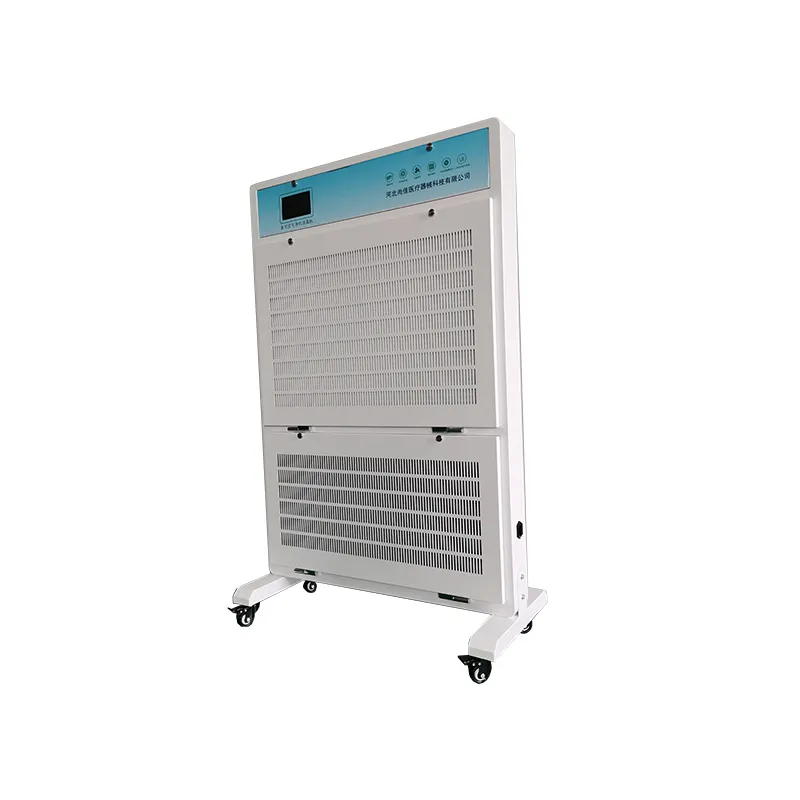
The global healthcare industry is placing greater emphasis on indoor air quality, infection prevention, and contamination control than ever before. Hospitals, laboratories, pharmaceutical facilities, and cleanrooms are increasingly investing in advanced medical air purification equipment to create safer and more efficient environments.
Driven by stricter healthcare regulations, rising awareness of airborne diseases, and continuous technological innovation, the global market for medical air purification systems is experiencing steady growth. From HEPA filtration upgrades to intelligent cleanroom solutions, the industry is evolving rapidly to meet modern healthcare demands.
This article explores the major global trends shaping the future of medical air purification equipment and how manufacturers are adapting to these changes.
One of the strongest trends in the medical air purification industry is the growing focus on infection prevention.
Hospitals and healthcare facilities worldwide are strengthening indoor air quality standards to reduce the spread of airborne bacteria, viruses, and contaminants. The COVID-19 pandemic significantly accelerated global awareness of air purification technologies, and healthcare providers continue to invest in advanced filtration systems even after the pandemic period.
Medical environments now require more advanced air control systems for:
Operating rooms
Intensive care units (ICUs)
Isolation wards
Laboratories
Pharmaceutical production areas
Cleanrooms
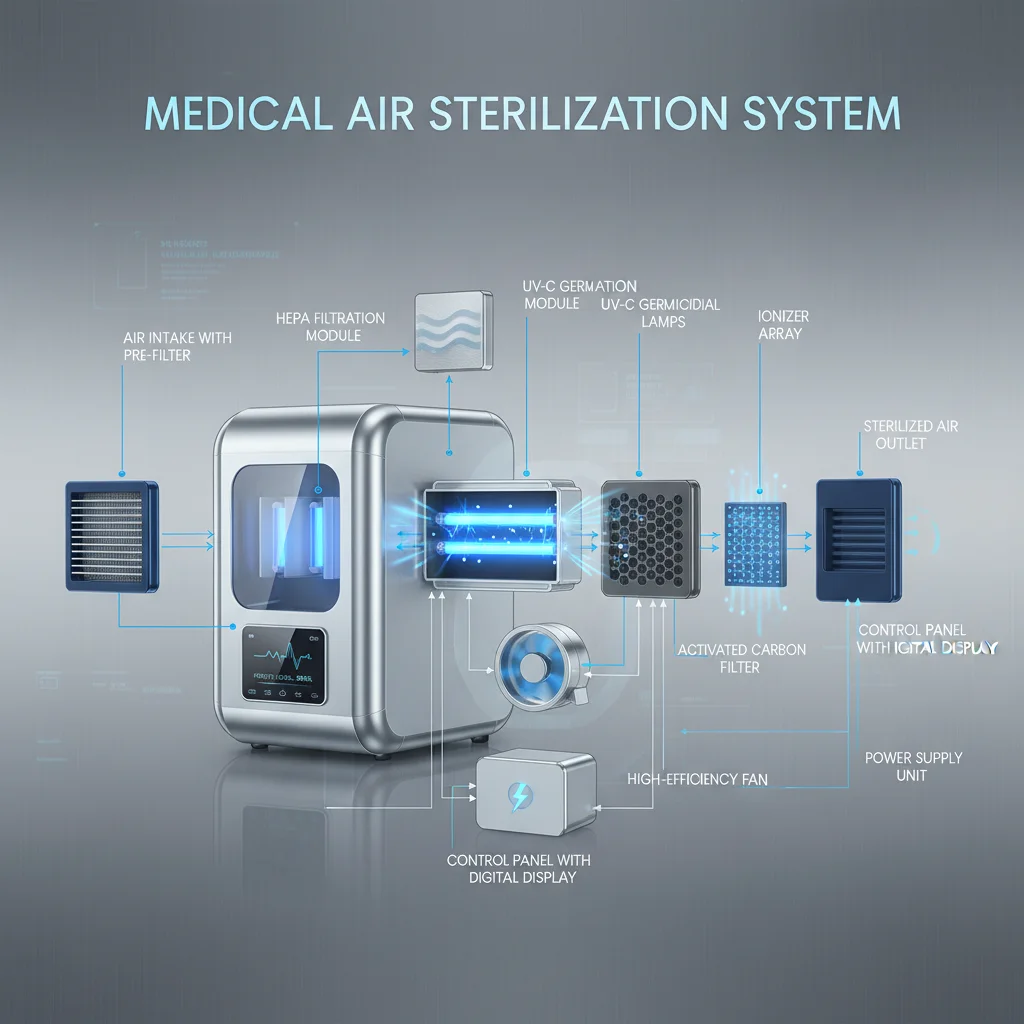
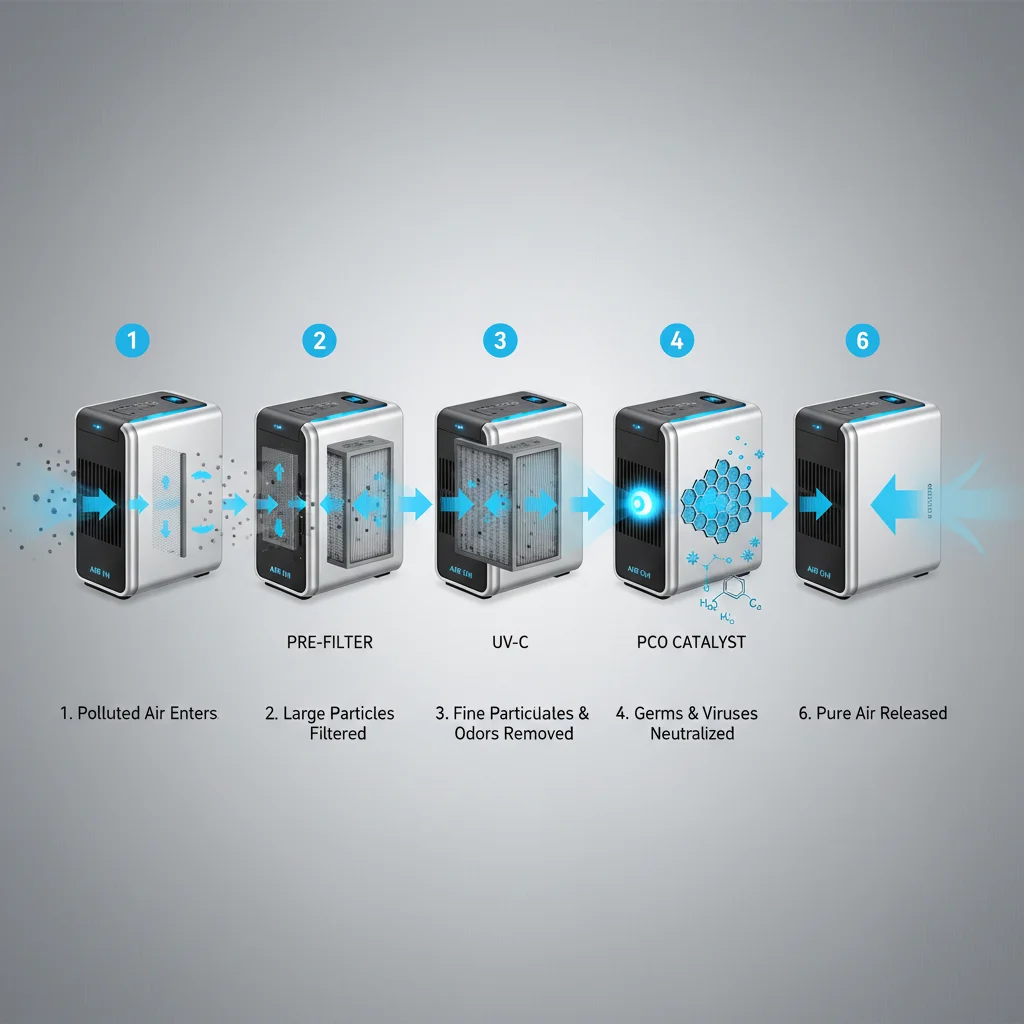
As a result, demand for medical air purification equipment with HEPA H13/H14 filtration, UV sterilization, and intelligent air quality monitoring continues to rise globally.
Filtration technology remains the core of modern medical air purification equipment.
HEPA and ULPA filtration systems are now widely used in hospitals, biotechnology facilities, semiconductor cleanrooms, and pharmaceutical manufacturing plants because of their ability to remove extremely fine airborne particles and microorganisms.
Current market trends show increasing adoption of:
H13 and H14 HEPA filters
ULPA filtration systems
Multi-stage filtration technologies
Activated carbon filtration
Antimicrobial filtration materials
Healthcare facilities are prioritizing high-efficiency filtration systems to meet stricter contamination control requirements and regulatory standards.
In addition, manufacturers are developing filters with:
Longer service life
Lower energy consumption
Higher airflow efficiency
Improved particle capture rates
These advancements help reduce operational costs while improving purification performance.
Another important trend in medical air purification equipment is the integration of smart technologies.
Modern systems increasingly include:
IoT connectivity
Real-time air quality monitoring
Remote control systems
Predictive maintenance
Intelligent airflow adjustment
Automated compliance reporting
AI-driven environmental monitoring and smart HVAC integration are becoming standard features in advanced healthcare cleanrooms and hospital purification systems.
These intelligent systems help hospitals and laboratories:
Monitor contamination levels continuously
Reduce energy consumption
Improve operational efficiency
Minimize maintenance downtime
Maintain regulatory compliance
Smart purification systems are particularly valuable in large healthcare facilities where stable environmental control is critical.
Traditional cleanroom construction methods are gradually being replaced by modular and prefabricated systems.
The global healthcare industry increasingly prefers modular cleanroom solutions because they offer:
Faster installation
Flexible expansion
Lower construction costs
Easier maintenance
Better energy efficiency
Industry reports indicate that modular cleanroom systems are becoming a major growth area in healthcare and pharmaceutical sectors.
This trend is especially strong in:
Pharmaceutical manufacturing
Biotechnology laboratories
Medical device production
Hospital operating rooms
Research facilities
Custom-designed cleanroom systems are also becoming more common as different industries require specialized environmental control solutions.
Energy efficiency and environmental sustainability are becoming major concerns in the medical air purification industry.
Cleanrooms and healthcare HVAC systems consume significant amounts of energy because they operate continuously. As governments and organizations adopt ESG and carbon reduction goals, manufacturers are focusing on greener purification technologies.
Current sustainability trends include:
Energy-efficient HVAC systems
Demand-controlled ventilation
Low-carbon cleanroom materials
Recyclable filtration components
Smart energy management systems
Updated international standards are also encouraging optimized airflow management and reduced energy consumption in cleanroom operations.
Future medical air purification equipment will likely combine high purification efficiency with lower operational energy costs.
The Asia-Pacific region continues to lead global growth in healthcare cleanroom and air purification industries.
Countries such as China, Japan, South Korea, and India are rapidly expanding healthcare infrastructure, pharmaceutical manufacturing capacity, and semiconductor production facilities.
Several factors are driving regional growth:
Rising healthcare investment
Expanding pharmaceutical industries
Increasing cleanroom construction
Strong manufacturing development
Growing awareness of indoor air quality
China, in particular, has become an important manufacturing hub for medical air purification equipment and cleanroom engineering systems.
As global demand for advanced medical air purification equipment continues to increase, experienced manufacturers with strong engineering capabilities are becoming more valuable.
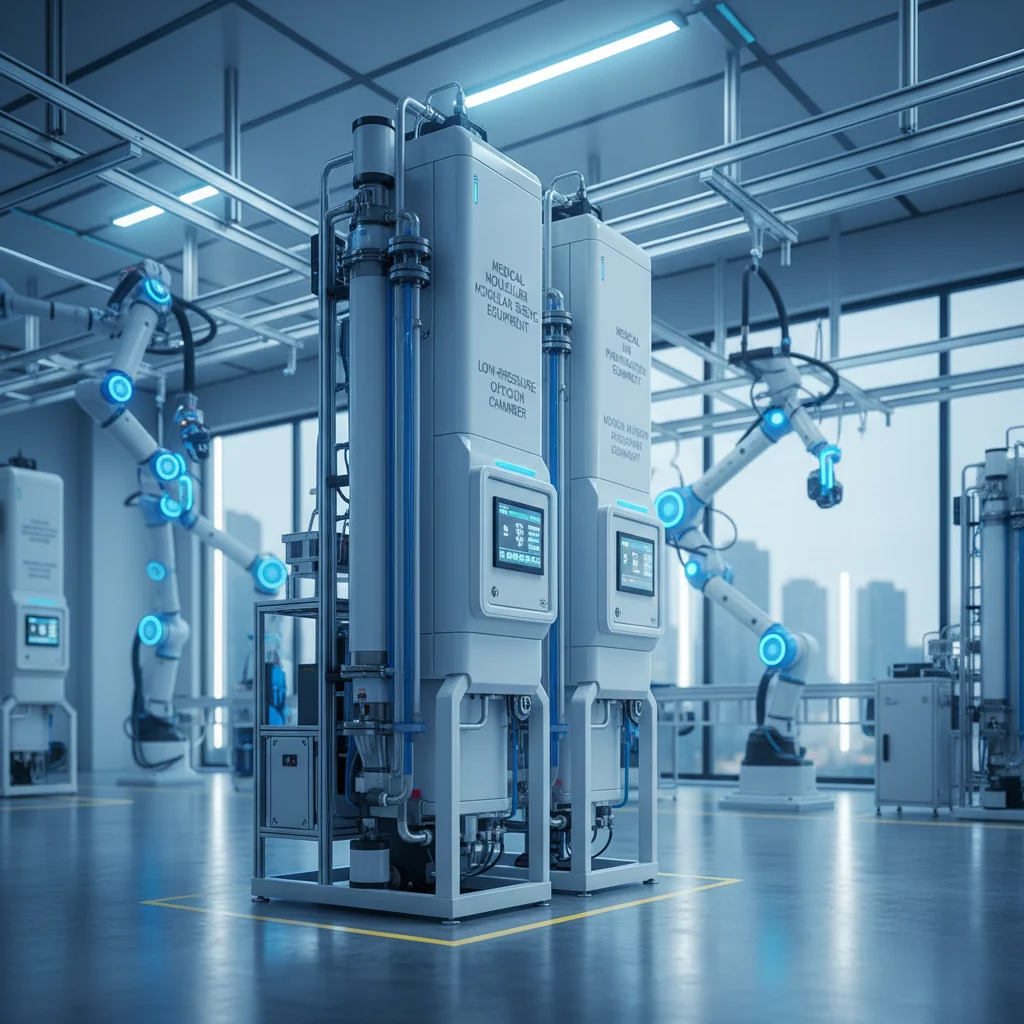
Hebei Lixin Medical Engineering Co., Ltd. was established in 2011 and specializes in:
Medical central gas supply systems
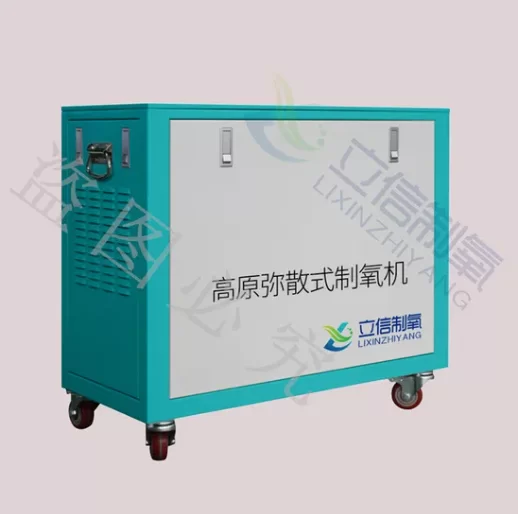
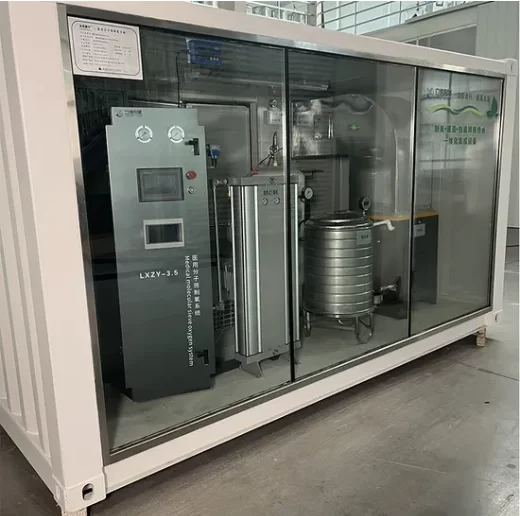
Medical molecular sieve oxygen generation equipment
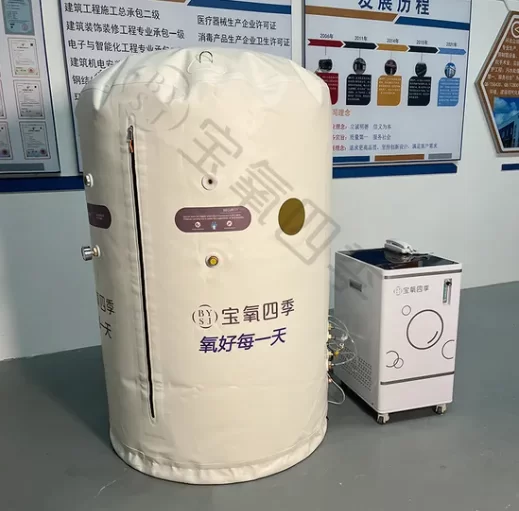
Low-pressure oxygen chambers
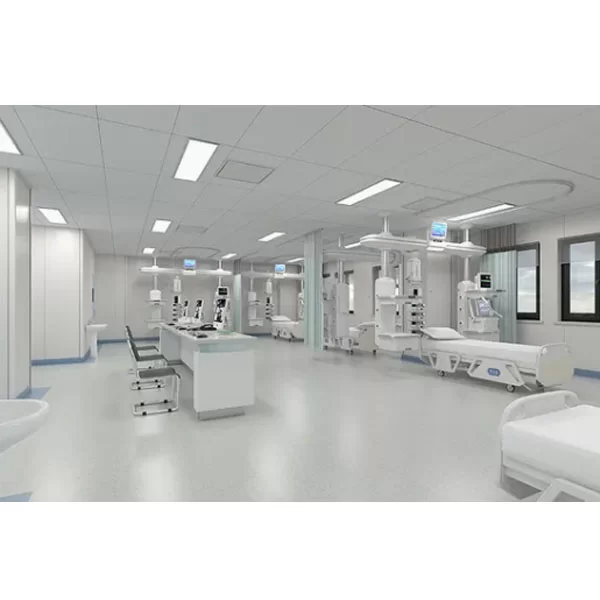
Hospital operating room purification engineering
Laboratory purification projects
Cleanroom construction
Radiation protection engineering
Medical wastewater treatment systems
The company continuously focuses on technological innovation and product development while following the philosophy of “Pursuing Higher Quality, Insisting on Innovative Design, and Meeting Customer Needs.”
With certifications including ISO9001, ISO14001, ISO13485, GB/T50430, and GB/T28001, Lixin provides reliable product quality, responsive service, and strong after-sales support for global healthcare projects.
Supported by experienced R&D teams, engineers, and technical staff, the company continues to provide modern medical engineering solutions for hospitals, laboratories, and cleanroom facilities worldwide.
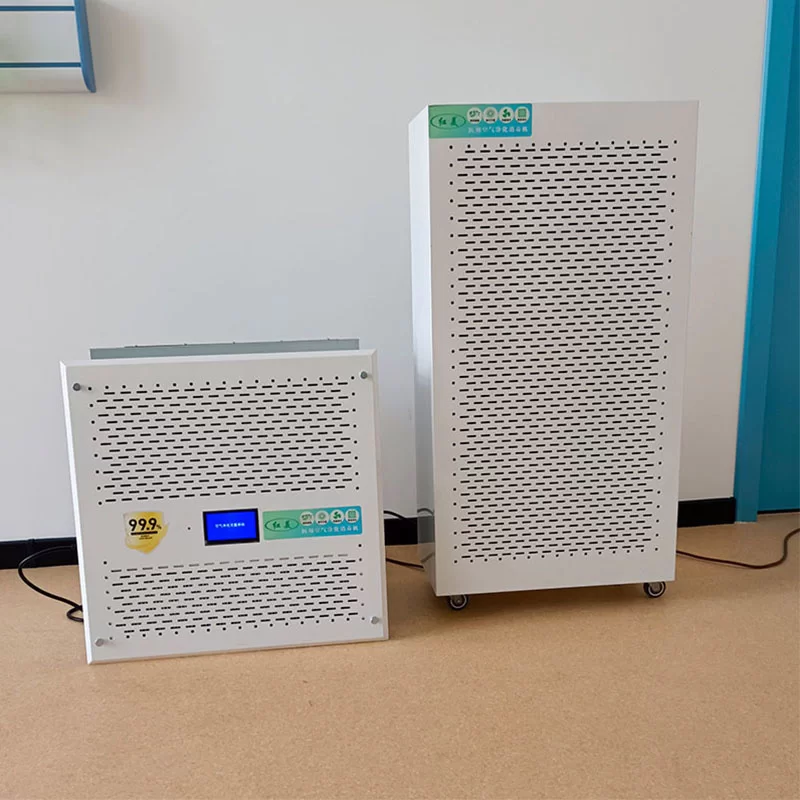
The future of medical air purification equipment will continue to be shaped by:
Stricter healthcare regulations
Rising infection control requirements
Smart automation technologies
Energy-efficient engineering
Sustainable cleanroom design
Expanding healthcare infrastructure
Industry forecasts show steady long-term growth in medical air purification and cleanroom technologies as healthcare systems worldwide continue to modernize.
Manufacturers that combine advanced filtration technology, intelligent monitoring systems, energy efficiency, and strong engineering expertise will remain highly competitive in the global healthcare market.
Medical air purification equipment refers to systems designed to remove airborne contaminants, bacteria, particles, and odors in healthcare and cleanroom environments.
HEPA filtration can capture extremely small airborne particles and microorganisms, helping maintain cleaner and safer medical environments.
Major trends include smart monitoring systems, modular cleanrooms, energy-efficient HVAC systems, UV sterilization, and advanced HEPA/ULPA filtration technologies.
Modular cleanrooms offer faster installation, flexibility, lower construction costs, and easier expansion compared to traditional cleanroom construction.
Asia-Pacific remains the fastest-growing region due to healthcare expansion, pharmaceutical manufacturing, and increasing cleanroom construction projects.