Hit enter to search or ESC to close
14 May 2026
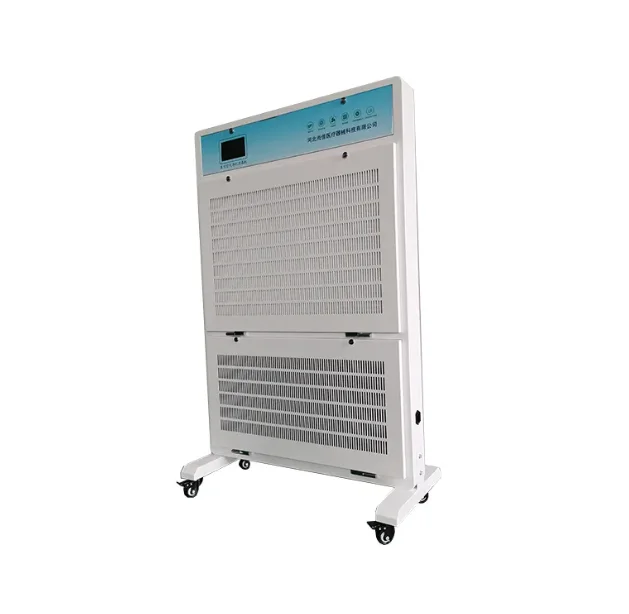
Indoor air quality has become a major concern in hospitals, clinics, laboratories, offices, and homes. Airborne particles such as dust, bacteria, smoke, allergens, and chemical pollutants can negatively affect health, comfort, and productivity. As awareness of clean air continues to grow, more buyers are investing in a reliable medical air purifier to improve indoor environments.
However, with so many products available on the market, choosing the right solution can be difficult. This guide explains the key factors to consider when purchasing a medical air purifier and how to identify a trustworthy supplier.
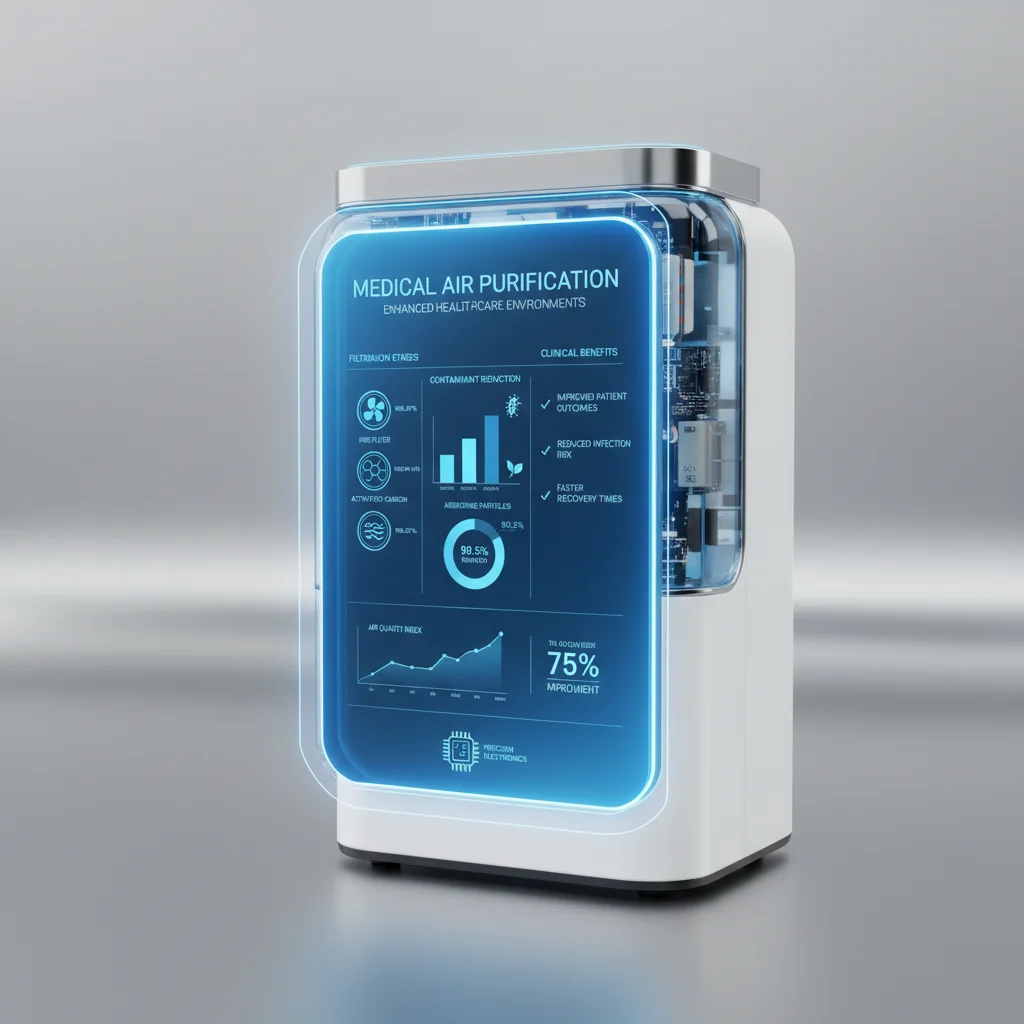
A medical air purifier is designed to remove harmful airborne contaminants more effectively than ordinary household air cleaners. These systems are widely used in healthcare facilities because they provide advanced filtration and stable purification performance.
Today, medical-grade air purification systems are commonly used in:
Hospitals and operating rooms
Laboratories and cleanrooms
Dental clinics
Offices and commercial buildings
Homes with allergy or asthma concerns
Most medical air purifier systems combine several purification technologies, including:
True HEPA filtration
Activated carbon filtration
UV sterilization
Intelligent air quality monitoring
Multi-stage filtration systems
The goal is to create cleaner, safer, and healthier indoor air while reducing airborne pollutants and odors.
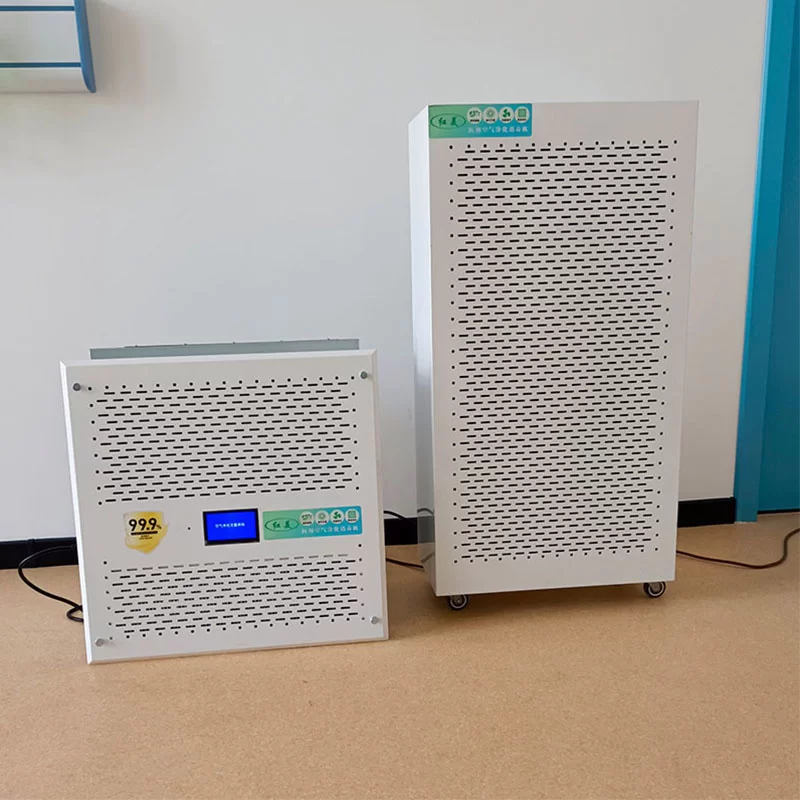
One of the most important features of a medical air purifier is its filtration system. High-efficiency particulate air (HEPA) filters are considered the industry standard for medical-grade air purification.
True HEPA filters can capture 99.97% of particles as small as 0.3 microns, including:
Dust
Pollen
Mold spores
Smoke particles
Pet dander
Certain airborne bacteria
For healthcare applications, H13 HEPA filters are often preferred because they provide higher filtration efficiency suitable for medical environments.
When comparing products, buyers should avoid vague descriptions such as “HEPA-like” or “HEPA-style.” A reliable medical air purifier should clearly specify its filtration grade and purification capability.
CADR and Room Size Matter
Another important factor when selecting a medical air purifier is airflow performance.
Many buyers focus only on filter quality but overlook room coverage and air circulation. A purifier that is too small for the space will not effectively clean the air.
CADR, or Clean Air Delivery Rate, measures how quickly a purifier removes airborne pollutants from a room. Higher CADR values indicate stronger purification performance.
As a general guideline:
Small rooms may require CADR 150–200
Medium rooms may require CADR 250–350
Large medical or commercial spaces may require 400+
For hospitals and cleanroom environments, higher air exchange rates are especially important to maintain continuous purification.
Choosing a medical air purifier slightly larger than the actual room size can improve efficiency while reducing operating noise.
Activated Carbon Filters Help Remove Odors and Chemicals
HEPA filters are highly effective for particles, but they do not remove gases or odors efficiently. That is why many advanced medical air purifier systems also include activated carbon filters.
Activated carbon filtration can help absorb:
Smoke odors
Cooking smells
VOCs (volatile organic compounds)
Chemical fumes
Pet odors
This feature is especially important in hospitals, laboratories, clinics, and industrial environments where air quality standards are stricter.
A thicker activated carbon layer generally provides better odor and gas removal performance.
Noise Level and Energy Efficiency Should Not Be Ignored
Many users operate a medical air purifier continuously, so noise level and energy consumption are important considerations.
Quiet operation is particularly valuable in:
Patient rooms
Bedrooms
Offices
Study areas
Healthcare facilities
Modern medical air purifier systems often include:
Sleep mode
Intelligent fan adjustment
Real-time air quality monitoring
Energy-saving operation
Smart sensors automatically adjust airflow according to indoor air quality conditions, helping reduce electricity usage and extend filter lifespan.
When selecting a medical air purifier, choosing an experienced and reliable manufacturer is just as important as choosing the right product.
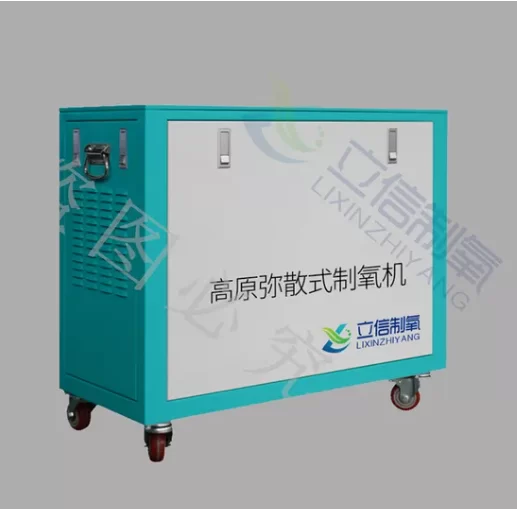
Hebei Lixin Medical Engineering Co., Ltd. was established in 2011 and specializes in the production and sales of:
Medical central gas supply systems
Medical molecular sieve oxygen generation equipment
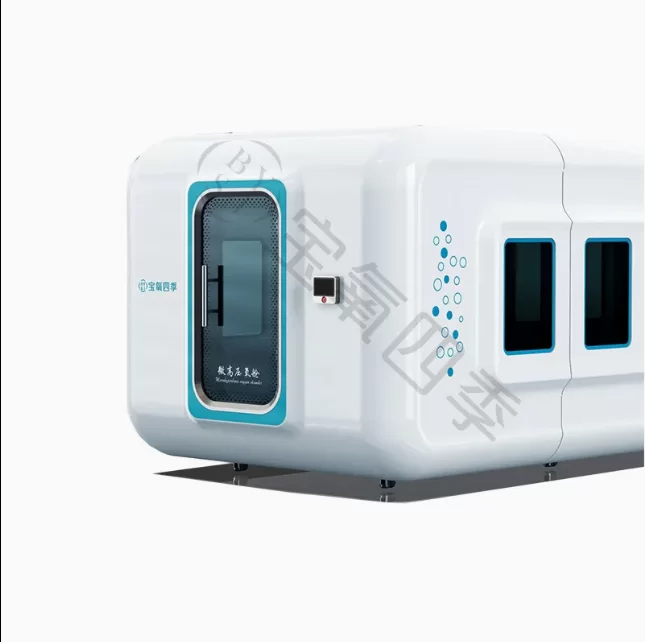
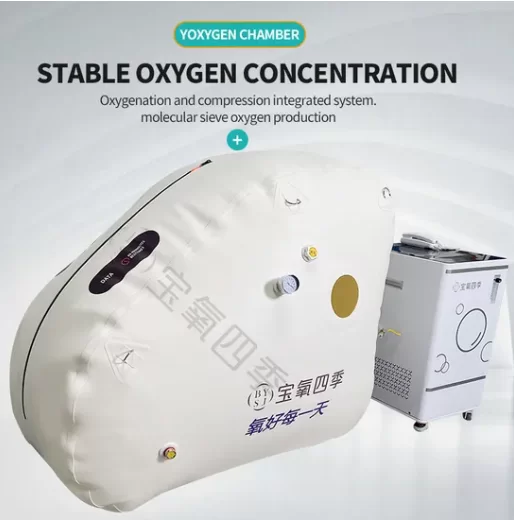
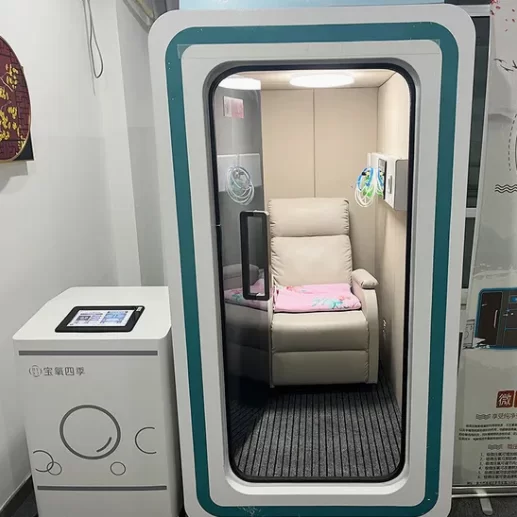
Low-pressure oxygen chambers
Medical air purification equipment
Hospital operating room purification systems
Laboratory purification projects
Cleanroom engineering
Radiation protection engineering
Medical wastewater treatment systems
With years of industry experience, the company continuously focuses on technological innovation and product development. Guided by the philosophy of “Pursuing Higher Quality, Insisting on Innovative Design, and Meeting Customer Needs,” Lixin provides stable product quality, competitive pricing, responsive service, and strong after-sales support.
The company has obtained multiple certifications, including:
ISO9001
ISO14001
ISO13485
GB/T50430
GB/T28001
Five-star after-sales service certification
These certifications demonstrate the company’s commitment to quality management and healthcare engineering standards.
Lixin also has a professional team of R&D personnel, engineers, sales specialists, and after-sales service staff dedicated to supporting global healthcare projects. By combining scientific management systems with customer-focused service, the company continues to serve the worldwide medical oxygen and air purification industry.
Maintenance Costs and Filter Replacement
Before purchasing a medical air purifier, buyers should also evaluate long-term maintenance requirements.
Important considerations include:
Filter replacement frequency
Replacement filter availability
Annual operating costs
Ease of maintenance
Technical support and warranty service
Washable pre-filters can help extend the life of HEPA filters by trapping larger particles before they reach the main filtration system.
For healthcare projects and commercial buyers, choosing a manufacturer with reliable after-sales support is especially important.
Conclusion
Choosing the right medical air purifier requires careful evaluation of filtration performance, airflow capacity, operating efficiency, and supplier reliability.
The ideal purifier should offer:
True HEPA or H13 filtration
Strong CADR performance
Activated carbon filtration
Quiet operation
Energy efficiency
Reliable long-term support
As an experienced healthcare engineering company, Hebei Lixin Medical Engineering Co., Ltd. provides advanced medical air purification solutions designed for hospitals, laboratories, cleanrooms, and commercial applications worldwide.
With strong technical expertise, certified production systems, and customer-focused service, Lixin continues to help improve medical environments and support the development of modern healthcare facilities.
A medical air purifier is an advanced air cleaning system designed to remove airborne particles, bacteria, allergens, smoke, and odors with high filtration efficiency.
HEPA filtration can capture many airborne particles that may contain viruses, while UV sterilization systems can provide additional microbial control.
H13 HEPA filters provide higher filtration efficiency and are commonly used in medical and healthcare environments.
Most filters should be replaced every 6–12 months depending on usage conditions and indoor air quality.
Activated carbon filters help remove odors, smoke, VOCs, and chemical gases that HEPA filters alone cannot effectively eliminate.