Hit enter to search or ESC to close
2 December 2025
The pressurized oxygen chamber is a fascinating piece of technology that quietly supports both critical healthcare treatments and cutting-edge industrial processes worldwide. Simply put, it's a sealed environment where oxygen levels and pressure are controlled to provide therapeutic or operational benefits that regular atmospheric conditions can't offer. Why should you care? Because globally, as respiratory diseases rise and industries seek safer, high-performance environments, these chambers are central to advancing human well-being and productivity.
In a world grappling with airborne health threats, growing chronic conditions, and complex manufacturing challenges, pressurized oxygen chambers offer hope and tangible solutions. Whether used in a hospital to accelerate healing or in a remote mining operation to enhance worker safety, understanding their design, uses, and benefits is crucial for health professionals, industrial engineers, and policy makers alike.
According to World Health Organization data, respiratory illnesses are among the leading causes of death worldwide. Meanwhile, the ISO standards increasingly emphasize controlled environments in industrial health and safety protocols. Pressurized oxygen chambers respond directly to these challenges by improving oxygen delivery for medical recovery and offering safer workplaces.
Oddly enough, despite being a mature technology, accessibility and awareness remain limited, especially in lower-income countries or remote zones. This gap suggests a promising, if underexplored, pathway for global health equity and industrial innovation.
At its core, a pressurized oxygen chamber is a specially designed enclosure that allows its occupant—be it a patient or equipment—to be exposed to oxygen at higher-than-normal atmospheric pressure. This environment significantly increases oxygen absorption in the body or ensures precise oxygen levels for sensitive industrial operations.
You might think of it as a "breath of supercharged air." In healthcare, it's known as a hyperbaric oxygen therapy chamber, commonly used in treating wounds, carbon monoxide poisoning, or decompression sickness. Industrially, they might be used in specialized oxygen-enriched environments or for research requiring high-oxygen atmospheres.
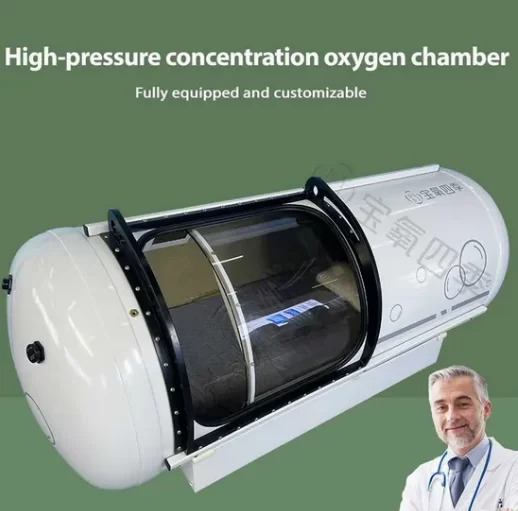
These chambers are often built with reinforced steel and acrylic, designed to withstand pressures multiple times that of normal atmospheric pressure while ensuring occupant safety. Safety valves, automatic controls, and monitoring systems are standard to prevent accidents.
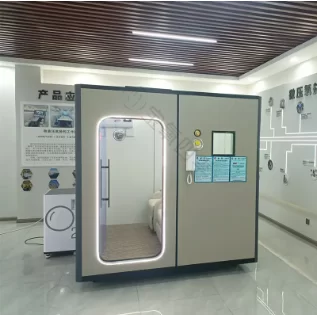
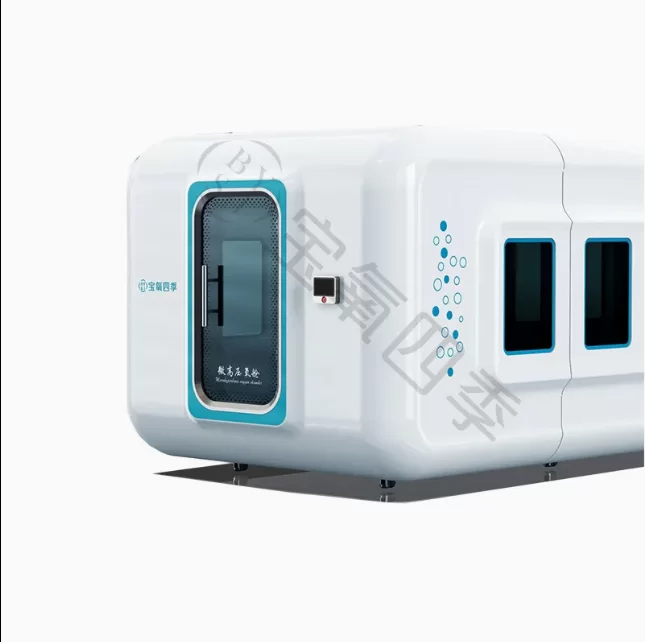
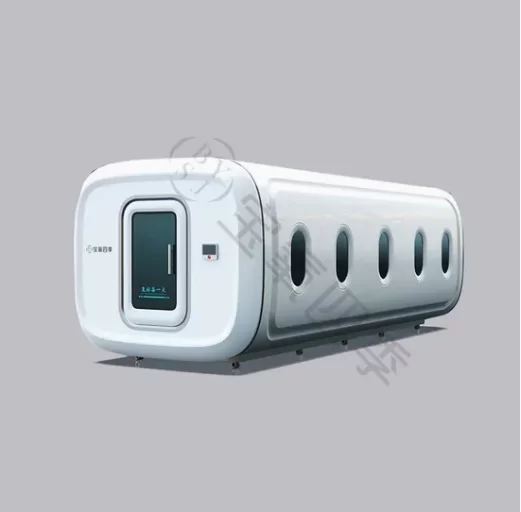
From small, single-person units to large multi-occupant rooms used in hospitals, their design varies according to need. Advances in modular chambers now allow for easier field deployment, particularly in disaster zones or remote industrial sites.
Although installation and operation require significant investment and energy, innovations like better seals, computerized automation, and energy-efficient compressors help reduce costs over time.
Modern chambers feature intuitive digital controls, real-time oxygen and pressure monitoring, plus emergency override features—all crucial for safe and effective treatment or operation.
Compliance with international health and safety standards (ISO 13485 for medical devices, for example) ensures reliability and trustworthiness—a non-negotiable in healthcare and industry.
| Feature | Specification |
|---|---|
| Pressure Range | 1.3 to 3 atmospheres absolute (ATA) |
| Oxygen Concentration | Up to 100% |
| Capacity | 1-6 persons or multiple equipment racks |
| Material | Steel frame & acrylic panels |
| Monitoring | Digital oxygen/pressure sensors with automated controls |
Pressurized oxygen chambers are far from niche. In hospitals across North America and Europe, they speed recovery from stubborn wounds or neurological injuries. Meanwhile, isolated mining or underwater operations in Australia and Canada deploy them to prevent decompression sickness and boost worker safety.
Humanitarian organizations use portable chambers in post-disaster relief, especially after earthquakes or floods when medical infrastructures struggle to keep up. For example, after the 2015 Nepal earthquake, rapid-deployment chambers were crucial in hyperbaric treatment for trapped survivors.
Even research institutes studying respiratory diseases or aerospace companies simulate high-pressure oxygen conditions to test human and material resilience.
| Vendor | Capacity | Portability | Safety Certifications | Typical Use Case |
|---|---|---|---|---|
| OxyMax Medical | Up to 4 persons | Semi-portable (modular setup) | ISO 13485, CE | Clinical & rehab centers |
| HyperAir Solutions | 1 person | Highly portable, field-ready | FDA approved | Emergency relief & military |
| IndustOxy Tech | Large-scale (up to 8 persons) | Fixed installations | ISO 9001, OSHA compliant | Industrial & research labs |
Using pressurized oxygen chambers translates into faster healing times, improved safety, and greater operational efficiency. Patients report feeling more secure and well-cared-for—there's a dignity in receiving advanced care that makes a difference beyond pure medicine.
From a logic standpoint, investing in these chambers reduces secondary complications and cuts operating costs over time. Environmentally, newer models integrate energy-saving compressors and recycled materials, aligning with growing sustainability goals.
Plus, companies providing these chambers build trust by maintaining rigorous standards and offering training—because nobody wants surprises in life-or-death situations, right?
The future is bright: expect more compact, AI-enabled chambers with smart sensors that adjust oxygen levels in real time. Green energy solutions like solar-powered compression units could revolutionize deployment in off-grid areas.
Automated diagnostics integrated into chambers might soon offer customized oxygen therapy based on patient vitals to maximize effectiveness. On the industrial side, nanomaterials promise even stronger yet lighter structures.
Policy-wise, global health initiatives are pushing to expand pressurized oxygen chamber availability in underserved regions—so keep an eye out for emerging funding opportunities and partnerships.
The main hurdles include high upfront costs, power dependency, and limited public awareness. Also, regulatory landscapes vary widely, complicating international use.
Solutions? Modular design lowers shipping and installation expenses. Hybrid power systems incorporating batteries with renewables increase reliability. Educational campaigns and partnerships with NGOs improve knowledge and access.
In an era where precision in healthcare and safety are paramount, pressurized oxygen chambers stand out as essential tools. Their ability to enhance healing, protect workers, and support innovation resonates globally. The balance between up-front investment and long-term benefits—especially when factoring in emerging technologies and sustainability efforts—makes them a smart choice for institutions and industries alike.
If you want to learn more or explore available models, I definitely recommend visiting Store Oxygen. They offer a wide range of solutions tailored to your needs, with expertise you can trust.
Pressurized oxygen chambers may not be the most glamorous tech out there, but they quietly save lives and enable progress in ways many of us overlook. It feels like a perfect example of engineering meeting humanity’s essential needs.