Hit enter to search or ESC to close
2 December 2025
If you’ve ever heard about hyperbaric oxygen therapy, you might be intrigued by the idea of having an in home hyperbaric chamber. Beyond the clinical clinics and hospitals, the growing demand for these devices at home speaks volumes about their practical benefits and increasing accessibility. Globally, with rising interest in health optimization, injury recovery, and chronic illness management, hyperbaric chambers are becoming a fascinating intersection of medical technology and personal wellness.
Why does this matter? The World Health Organization has noted the global burden of chronic wounds and neurological disorders, many of which can benefit from hyperbaric oxygen therapy (HBOT). By understanding in home hyperbaric chambers, users and healthcare providers alike can better appreciate how home-based treatments might reduce hospital stays and improve life quality over time.
It’s worth noting the scale of chronic conditions worldwide. According to the Global Burden of Disease study, chronic wounds affect millions, costing healthcare systems billions annually. Moreover, neurorehabilitation services remain out of reach for many communities. Here, the in home hyperbaric chamber offers a kind of solution—bringing therapy to the patient, not the other way around.
At an industrial level, hyperbaric chambers also find relevance — especially in diving industries, aerospace, and even extreme sports medicine. The portability and compact design of modern home chambers have made the therapy more accessible, overcoming the traditional challenge of clinic dependency.
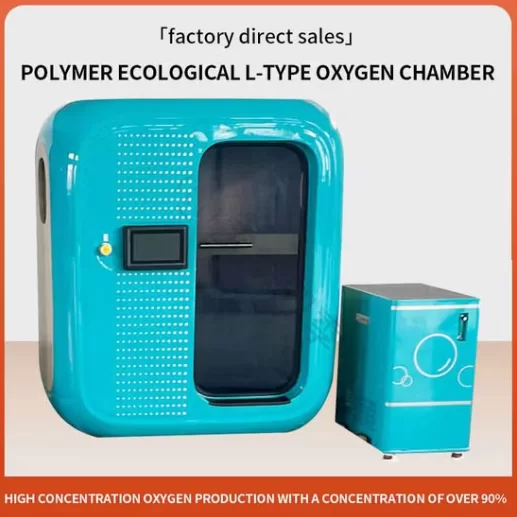
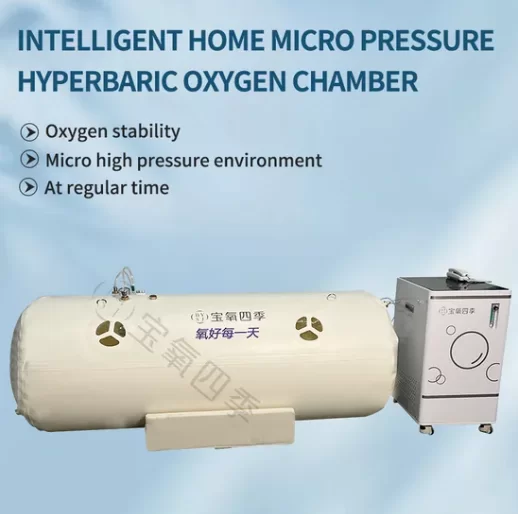
Simply put, an in home hyperbaric chamber is a sealed device designed to expose the user to 100% pure oxygen at pressures higher than atmospheric pressure. This enhanced oxygen environment promotes healing by increasing oxygen saturation in blood plasma and tissues.
To connect with modern needs, these chambers are often lightweight, user-friendly, and equipped with safety features suitable for non-professional use, differentiating them from large clinical-grade chambers. They align with the rise of personalized medicine and home health technologies, where convenience and efficacy meet.
So, those are the crucial factors you’ll want to consider when looking at home hyperbaric chambers — it’s not just about oxygen, but the quality, usability, and safety packed in.
In practical terms, these chambers are gaining traction across multiple sectors:
Oddly enough, some experimental uses are emerging in anti-aging and neurocognitive enhancement realms — though the science here remains exploratory rather than definitive.
There’s a compelling case for investing in an in home hyperbaric chamber:
| Feature | Specification |
|---|---|
| Pressure Range | 1.3 to 1.5 ATA |
| Oxygen Concentration | Up to 95-100% |
| Session Length | 30 to 90 minutes |
| Material | Medical-grade PVC / reinforced nylon |
| Weight | 10-15 kg (inflatable models) |
| User Capacity | Single user |
| Brand | Price Range | Pressure Level | Features | Warranty |
|---|---|---|---|---|
| OxyHealth | $3000-$4500 | 1.3 ATA | Inflatable, lightweight, basic controls | 1 year |
| HyperbaricStore | $5000-$7000 | 1.4 ATA | Hard chamber, digital controls, oxygen generator option | 2 years |
| Sechrist | $8000-$12,000 | 1.5 ATA | Clinical-grade tech, monitoring, remote capability | 3 years |
Technology never stands still, and within the realm of home HBOT, innovations are buzzing. Green energy integration—solar-powered chambers, for example—is becoming a focus, addressing sustainability concerns. Equally interesting is digital transformation: IoT-enabled chambers can now track usage data, adjust protocols based on user response, and even alert caregivers remotely. Automation of pressure regulation adds a layer of safety and convenience.
On the material front, some manufacturers are experimenting with antimicrobial coatings on chamber interiors, aiming to reduce risks of infection, a non-trivial concern given prolonged at-home use. The future might also see more modular designs tailored for multisession campaigns or group therapy.
There are always a few hurdles. For many users, the upfront cost remains a barrier—hyperbaric chambers are not exactly impulse buys. Space constraints at home can also limit installation. Furthermore, understanding safe usage without clinical supervision is an ongoing concern that manufacturers address by improving user manuals, training videos, and telehealth monitoring tools.
Experts suggest that coupling home use with professional guidance—telemedicine or hybrid check-ups—maximizes treatment safety and effectiveness. Another solution gaining ground is modular financing plans or rental programs to increase accessibility.
The convenience, combined with long-term wellness benefits, makes the in home hyperbaric chamber an intriguing solution for many health enthusiasts and patients alike. It’s about more than oxygen—it's about empowerment to manage healing at your own pace, in your own space.
If you’re curious to explore these devices or find one that fits your needs, don’t hesitate to visit our store and discover the options available. Investing in one could be a step toward a healthier tomorrow, quite literally, one breath at a time.
Mini takeaway: Home HBOT chambers have evolved into safe, handy tools that extend clinical therapy into everyday life, with promising innovations on the horizon.
References: