Hit enter to search or ESC to close
2 December 2025
In our fast-paced, often stressful world, innovations like the hyperbaric sleep chamber are quietly reshaping how we rest and recover. You may have heard of hyperbaric oxygen therapy in medical contexts, but what about its application in sleep environments? This unique chamber elevates oxygen levels while controlling pressure to enhance sleep quality profoundly. As urbanization intensifies and health challenges rise, understanding this technology's benefits becomes an important conversation globally.
Across the globe, sleep disorders are projected to affect more than 30% of adults by 2030 according to WHO estimates. Poor sleep contributes to health problems like cardiovascular disease and diabetes, burdening healthcare systems worldwide. The hyperbaric sleep chamber presents a solution addressing these concerns by improving oxygen uptake during rest, potentially mitigating health risks. Additionally, in areas with polluted air or high altitudes, the chamber supports better sleep conditions, aiding millions. Frankly, the global relevance lies not only in health but also in productivity and quality of life.
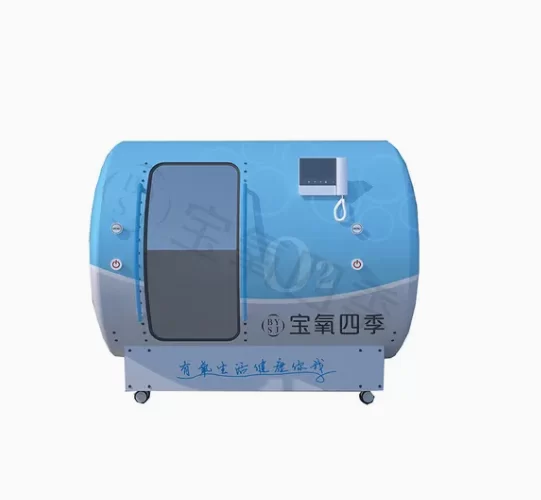
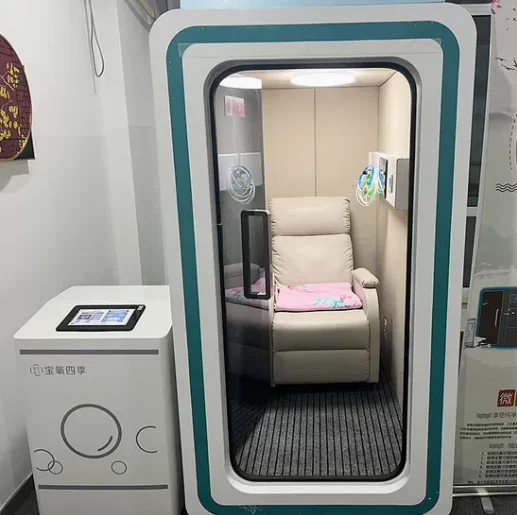
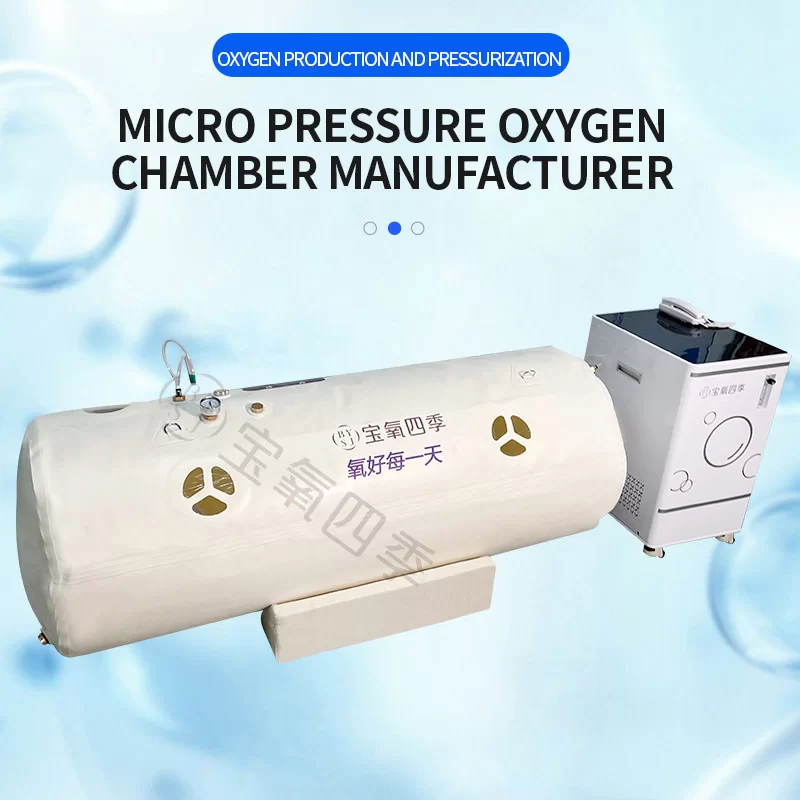
At its core, a hyperbaric sleep chamber is an enclosed, pressurized environment designed to deliver oxygen-enriched air to occupants during sleep. Unlike traditional sleep setups, it regulates atmospheric pressure and oxygen concentration simultaneously. This setup mimics beneficial conditions similar to what’s found in hyperbaric medicine but adapted for longer, daily use. It connects with humanitarian needs too — for example, aiding people living at high elevations or those recovering from respiratory illnesses. The chamber functions both as a wellness tool and a medical adjunct, bridging high-tech innovation with practical everyday use.
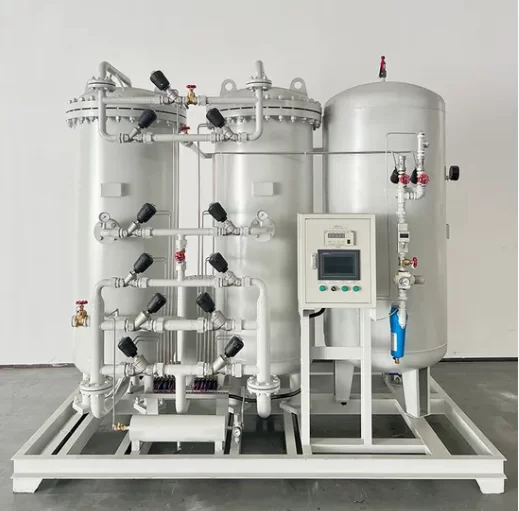
The heart of the chamber — it stabilizes internal pressure, usually between 1.2 to 1.5 atmospheres, to optimize oxygen absorption without causing discomfort. Quality systems operate quietly to ensure restful sleep.
This component regulates oxygen concentration, often raising it up to 40% or more, significantly above normal atmospheric levels (~21%). It ensures safe, consistent delivery throughout the night.
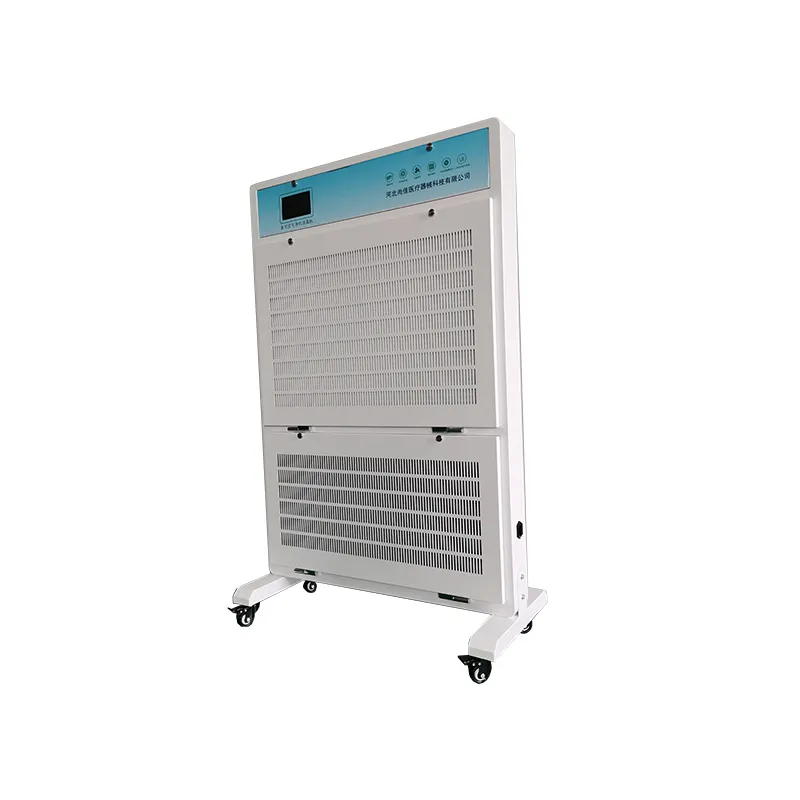
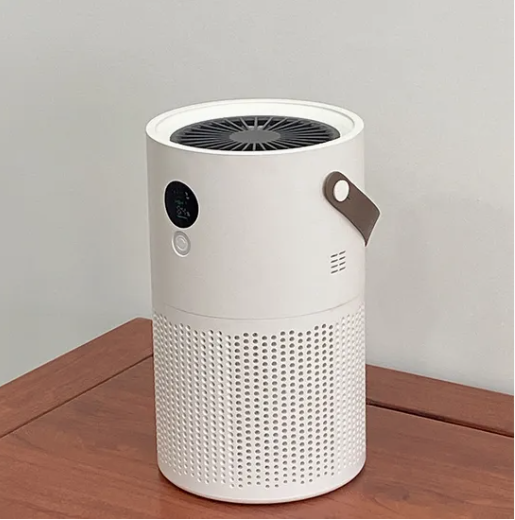
Filtration removes pollutants and controls temperature and humidity, creating a clean, stable microenvironment—essential for user comfort and health.
Usually made from lightweight but durable composites or medical-grade plastics, these chambers maintain airtight integrity while being portable or semi-permanent, depending on design.
Modern chambers often feature digital controls and alarms to monitor pressure, oxygen levels, and oxygen toxicity risk, giving users and healthcare providers peace of mind.
Mini takeaway: Each component harmonizes to create a sleep environment where oxygen uptake and comfort are optimized, elevating traditional rest paradigms.
The hyperbaric sleep chamber’s versatility means it finds use in diverse fields:
For example, in parts of Peru’s Andes, NGOs use hyperbaric sleep chambers to improve villagers’ sleep and oxygen levels due to extreme altitudes. Oddly enough, these sleep pods also catch attention in tech-savvy urban wellness centers in the U.S. and Japan.
| Feature | Specification |
|---|---|
| Internal Pressure Range | 1.2 to 1.5 atm |
| Oxygen Concentration | 21% to 40% |
| Dimensions (L×W×H) | 2m × 0.9m × 1m |
| Operating Noise Level | < 40 dB |
| Weight | Approximately 70 kg |
What stands out about hyperbaric sleep chambers is not just their technical sophistication but meaningful benefits manifesting on emotional and practical levels. Costwise, while the initial investment might seem hefty, users report reduced medical expenses, fewer sick days, and improved productivity. Sustainability-wise, efficient oxygen delivery reduces dependence on pharmaceutical sleep aids, potentially lowering environmental footprint. Socially, the technology empowers people—whether vulnerable patients or wellness seekers—to regain control over their rest.
There’s a trust factor here, too: Knowing you’re sleeping in an environment designed with safety and innovation assures many. Plus, clients mention a newfound sense of dignity when managing their health proactively at home or work.
| Vendor | Price Range | Safety Features | Portability | User Interface |
|---|---|---|---|---|
| OxyDream Systems | $12,000–$15,000 | Automated pressure control, alarms | Semi-portable | Touchscreen panel |
| HyperSleep Inc. | $10,000–$13,000 | Manual and auto pressure safeguards | Portable (collapsible) | Basic LCD controls |
| SleepOxy Solutions | $14,000–$16,000 | Continuous monitoring, emergency vent | Fixed installation | Smartphone app integration |
Looking ahead, the hyperbaric sleep chamber is primed for leaps in green energy integration, harnessing solar power or smart grid connections to reduce operational costs and environmental impact. Digitally, IoT-enabled sensors could automate oxygen and pressure adjustments tailored to individual sleep cycles, maximizing efficacy. Plus, new materials like advanced polymers could make chambers lighter, more affordable, and easier to sterilize, broadening accessibility.
One challenge is user adaptation—some find pressure changes uncomfortable or are wary of oxygen concentration risks. Still, ongoing training and improved user interfaces are easing this. Another hurdle is upfront affordability, but leasing models and NGO partnerships help place these technologies where they’re needed most. Maintenance in remote areas remains tricky, but modular designs and remote diagnostics tackle these issues effectively.
In real terms, the hyperbaric sleep chamber embodies a convergence of medical science, engineering, and human-centered design to meet pressing global needs. Its ability to improve oxygenation during sleep brings long-term benefits — from health improvements to environmental sustainability. I suppose as more people discover its advantages, we’ll see broader adoption, embedded in homes, clinics, and relief setups alike. If you’re curious or want to explore options, visit https://www.storeoxygen.com for trusted solutions.
Mini takeaway: This technology doesn’t just improve sleep—it transforms how we approach rest and recovery on a global scale.
References: