Hit enter to search or ESC to close
2 December 2025
In a world keenly aware of healthcare innovation and accessibility, the soft hyperbaric chamber emerges as a fascinating, practical solution. Why does it matter? Well, from improving wound healing to enhancing athletic recovery, these chambers encapsulate a growing field in medical support that’s quietly reshaping patient care globally. In simple terms, understanding soft hyperbaric chambers means tapping into a technology that makes hyperbaric oxygen therapy more accessible, affordable, and flexible for different environments — not just high-end hospital settings.
Recent WHO reports suggest chronic wounds and infections affect millions worldwide, requiring advanced therapies for better outcomes. That’s where the soft hyperbaric chamber steps in as a game changer: it delivers pressurized oxygen to aid healing, but without the costs and complexities of traditional steel chambers. Oddly enough, while demand for such therapy grows fast, especially with aging populations and increasing diabetes rates, many regions lack the infrastructure for classic hyperbaric setups.
By 2025, the global market for hyperbaric oxygen therapy devices is expected to surpass $3 billion, signaling a robust need for innovations that adapt to diverse patient and situational requirements.
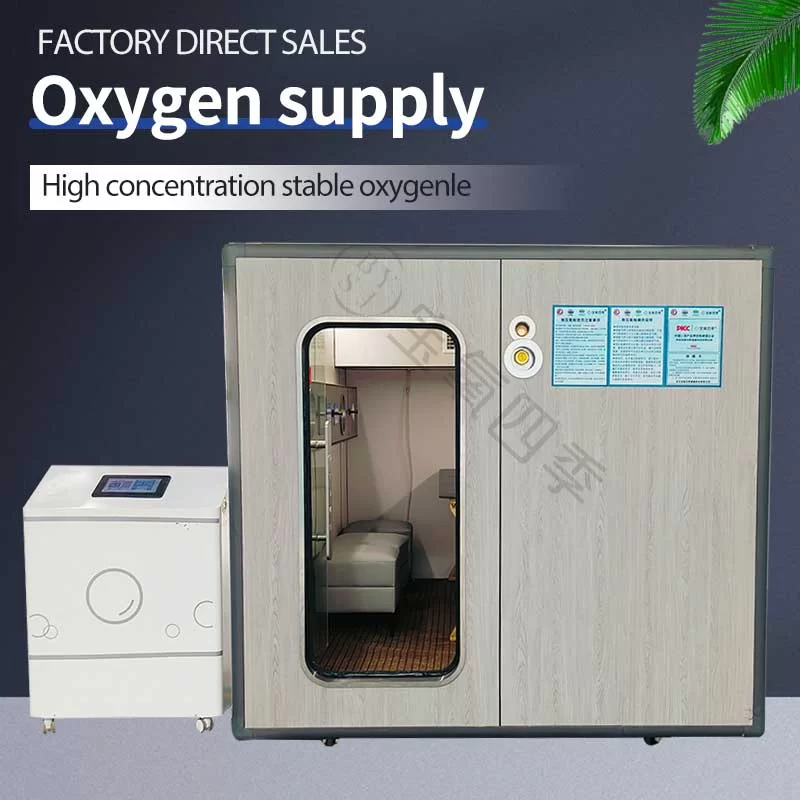
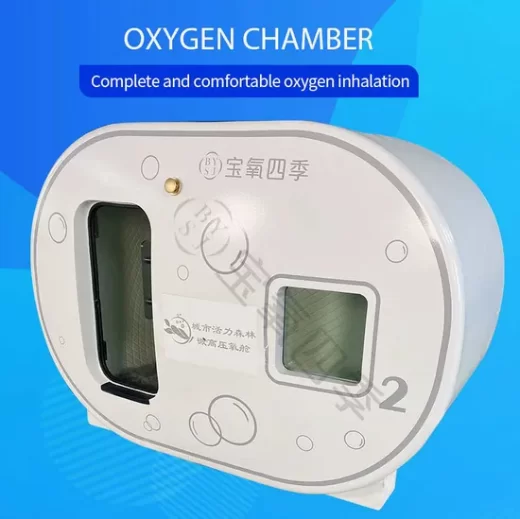
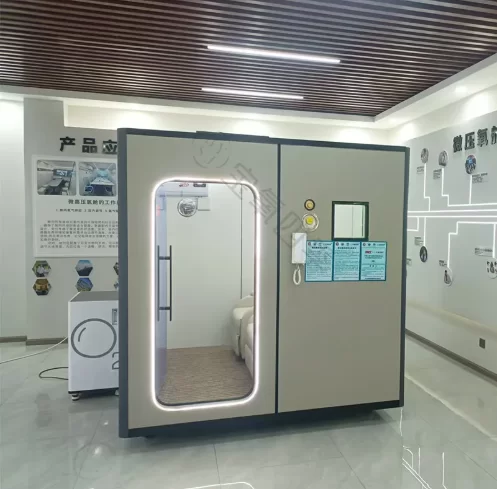
In straightforward terms, a soft hyperbaric chamber is an inflatable medical device made of durable, airtight textiles that create a pressurized oxygen environment at atmospheric pressures slightly above normal. Unlike rigid steel chambers, they’re portable, lightweight, and designed for ease of use outside sophisticated medical facilities.
This technology bridges the gap between modern healthcare demands and practical delivery, fitting well in remote clinics, disaster zones, or even home use for ongoing therapies. It reflects a trend toward modular, adaptable healthcare equipment that respects both patient safety and logistical realities.
These aspects ensure that the soft hyperbaric chamber adapts seamlessly across settings — from clinical rehab centers to humanitarian missions — without the constraints of traditional hyperbaric facilities.
| Specification | Detail |
|---|---|
| Material | PVC-coated fabric, fire retardant |
| Max Pressure | 1.5 ATA (atmospheres absolute) |
| Oxygen Source | Medical-grade oxygen concentrator or cylinder |
| Weight | 10-25 kg (varies by model) |
| Setup Time | 5-10 minutes |
| Duration per Session | Typically 60–90 minutes |
Soft hyperbaric chambers have established a niche far beyond traditional clinics. In post-disaster relief efforts — such as following earthquakes or floods — these portable chambers deliver critical oxygen therapy to victims with crush injuries or infections where hospitals are overwhelmed or inaccessible.
Remote industrial zones, particularly in mining or maritime sectors, utilize these chambers onboard or near worksites to support workers suffering decompression illnesses or chronic wounds. Similarly, athletic training centers in the US, Europe, and Asia increasingly integrate soft hyperbaric therapy to speed recovery and improve performance.
Humanitarian organizations also favor these devices for mobile field hospitals due to their low energy needs and ease of deployment — a definite advantage when power grids fail or infrastructure is poor.
| Feature | OxyFlow Portable | BreathEZ Inflatable | HyperSoft MedLite |
|---|---|---|---|
| Max Pressure (ATA) | 1.4 | 1.3 | 1.5 |
| Weight | 12 kg | 10 kg | 25 kg |
| Setup Time | 7 min | 5 min | 10 min |
| Price Range | $7,500–9,500 | $6,200–7,800 | $9,000–11,000 |
| Ideal Use | Medical Clinics | Sports & Recovery | Field Hospitals / Relief |
Why choose a soft hyperbaric chamber? Beyond the obvious portability and cost, these systems offer some deep long-term value. On the logical side, they cut the costs of expensive steel chambers and facility modifications. Also, their low energy consumption fits well with sustainability goals.
Emotionally, patients feel safer and more at ease knowing therapy can come to them, whether at home or in austere settings — supporting dignity and continuity of care. For providers, they represent trustworthiness and innovation, signaling their commitment to flexible, patient-centered healthcare.
Looking ahead, I notice the industry gravitating toward even lighter materials, perhaps graphene-infused fabrics, to improve durability further and reduce weight. Automation and remote monitoring systems with IoT integration are also emerging, allowing clinicians to track sessions and patient vitals in real-time, even remotely.
Green energy compatibility — solar-powered compressors or battery integrations — will be crucial, especially for deployments in off-grid areas. These trends not only improve practicality but align well with the healthcare sector’s growing sustainability commitments.
Of course, no technology is perfect. Soft hyperbaric chambers sometimes face skepticism over their efficacy compared to rigid chambers. There’s also a need for standardization and certification to ensure safety and performance.
Addressing these involves rigorous clinical trials, collaboration with regulatory bodies like ISO and FDA, and enhanced user training programs. Manufacturers are innovating with multi-layer safety systems and offering modular upgrades to extend service life and performance reliability.
Soft hyperbaric chambers represent a striking mix of innovation, practicality, and global health impact potential. Their portability, cost-effectiveness, and adaptability to varying environments make them a powerful tool in medical and humanitarian arsenals. If you’re curious to know more or interested in solutions to enhance patient outcomes with such therapy, do visit soft hyperbaric chamber for tailored options and expert guidance. Frankly, it feels like the future of hyperbaric therapy is unfolding one lightweight chamber at a time.
Mini Takeaway: The soft hyperbaric chamber isn’t just equipment — it’s a bridge for expanding critical care where it’s needed most.
References: