Hit enter to search or ESC to close
2 December 2025
If you haven’t encountered the term hard shell hyperbaric chamber before, you might wonder why it’s suddenly becoming a critical buzzword across multiple industries worldwide. Simply put, these chambers are airtight, rigid units designed to maintain higher-than-atmospheric pressure to treat medical conditions like decompression sickness, wound healing, and carbon monoxide poisoning. But beyond healthcare, their design and deployment are becoming vital in remote industrial sites, military operations, and disaster relief scenarios where quick, reliable hyperbaric treatment or protective environments are needed.
It’s a topic that matters because globally, the need for durable and scalable life-support infrastructure is ever-growing. According to the World Health Organization, more than a million divers suffer decompression illness annually, and emergency care facilities sometimes can't reach them fast enough. Beyond medicine, hyperbaric chambers help maintain stable environments in challenging locations, indicating their vital role in innovation and resilience around the world.
Takeaway: Understanding hard shell hyperbaric chambers isn’t just about medical tech — it’s about how engineering solutions can transform health care, industry, and emergency response globally.
The use of hyperbaric chambers is rising globally, with particular growth in emerging markets in Asia-Pacific and North America. The International Marine Contractors Association notes that offshore diving accidents are increasingly common due to expanded underwater projects, amplifying demand for robust hyperbaric environments. Meanwhile, non-diving applications — like treating diabetic wounds or radiation injuries — are common in hospitals worldwide.
Yet there’s a challenge: many hyperbaric units are bulky or delicate, limiting portability and deployment speed in emergencies. This is where hard shell hyperbaric chambers offer an edge — their rigid construction provides durability without sacrificing mobility, helping bridge gaps in remote healthcare and industrial safety.
Takeaway: Hard shell hyperbaric chambers are a practical answer to real-world challenges of delivering pressure therapy where it’s often impossible to rely on permanent infrastructure.
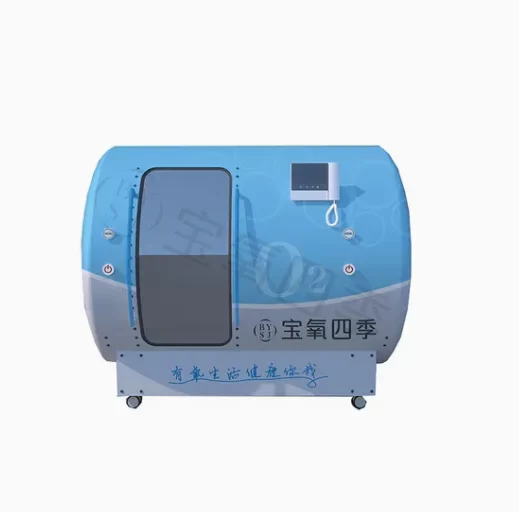
To put it plainly, a hard shell hyperbaric chamber is a solid, sealed container, usually metal or composite, designed to create and maintain pressurized environments safely. Unlike soft, inflatable hyperbaric chambers, these hard shell variants resist harsh environments, mechanical wear, and pressure fluctuations with greater reliability.
They’re crucial not only in medical treatments but increasingly in industry and emergency services — any situation requiring controlled pressure and life-support where traditional hospital-grade setups wouldn’t be feasible. Think of them as portable pressure sanctuaries, backed by modern technologies ensuring stability and safety.
Takeaway: Hard shell hyperbaric chambers blend the rigor of industrial design with medical precision, making them a bridge between complex healthcare needs and practical deployment realities.
Most chambers use stainless steel or aluminum alloys for their hulls — materials that resist corrosion and can withstand frequent pressure cycling without fatigue. Safety valves, pressure gauges, and reliable seals are integral, ensuring patient protection under varying conditions.
Hard shell designs strike a balance between being lightweight enough for transport yet rugged enough for rough handling. Many feature modular assembly or can be mounted on vehicles, enabling rapid deployment during emergencies.
Advanced compressors, oxygen enrichment systems, and temperature regulators make maintaining precise conditions possible. These elements ensure therapeutic efficacy as well as user comfort over extended periods.
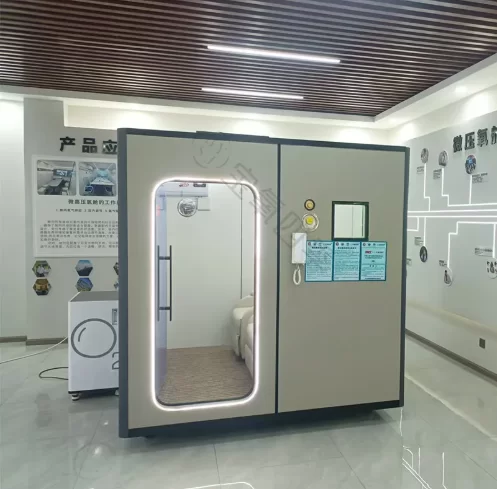
Chambers range from single-person units to larger multi-occupant modules. Manufacturers often customize dimensions and systems depending on the use case — medical, industrial, or military applications require very different features.
Especially in remote deployments, integrated power supply with battery backup and communication links are critical. Some advanced chambers include remote monitoring to allow specialists to supervise treatments off-site.
| Specification | Details |
|---|---|
| Materials | Aluminum alloy or stainless steel |
| Max Operating Pressure | Up to 6 ATA (atmospheres absolute) |
| Dimensions (Single occupant) | 2.5m length × 0.9m diameter |
| Weight | Approx. 220 kg (varies by model) |
| Power Supply | 110/220V AC + battery backup |
Takeaway: The combination of robust materials, precise control systems, and modular designs make hard shell hyperbaric chambers uniquely suited for tough environments.
Across continents, these chambers serve a variety of critical roles:
For instance, in the aftermath of the 2018 Indonesian earthquake, field hospitals equipped with hard shell hyperbaric chambers treated victims with severe wounds amidst unreliable power supplies. This ability to maintain life-saving pressure treatments in harsh conditions really illustrates their vital role.
Takeaway: Whether deep underwater or in disaster-hit zones, these chambers are lifesavers when typical medical infrastructure falls short.
The tangible benefits run deep:
Emotionally, patients and caregivers alike gain confidence knowing the enclosed environment is both securable and comfortable — aspects often overlooked in medical device deployment.
Takeaway: Hard shell chambers bridge cost, safety, and psychological comfort in demanding environments, providing lasting societal and economic benefits.
It feels like innovation is just heating up here. The future of hard shell hyperbaric chambers includes:
So, the industry isn’t standing still. Manufacturers anticipate these chambers will soon blend high-tech intelligence with rugged hardware, making them smarter and more adaptable than ever.
Takeaway: Technological leaps promise to improve safety, mobility, and sustainability — while opening new application frontiers.
Frankly, the biggest constraints today are weight and cost. Hard shell chambers can be heavy, limiting transport options, especially in remote zones with poor infrastructure. Additionally, upfront costs can be steep for smaller clinics or NGOs.
Some innovative answers include:
Many engineers also stress that thorough staff training and robust maintenance protocols are vital to prevent misuse and prolong service life.
Takeaway: While challenges remain, smart design adaptations and collaborative strategies can unlock broader access.
| Vendor | Primary Markets | Key Features | Price Range |
|---|---|---|---|
| OxyTech International | Medical, Diving, Military | Composite shells, integrated digital controls | $80,000 - $150,000 |
| DeepSafe Systems | Industrial, Offshore | Modular designs, heavy-duty construction | $65,000 - $120,000 |
| HyperbaricPro | Medical, Remote Clinics, Sports | Lightweight aluminum, solar power options | $70,000 - $140,000 |
A1: Most hard shell hyperbaric chambers are designed for rapid assembly and can be operational within hours after transport. Modular designs allow teams to break down units for easier shipping, making them ideal for disaster zones or remote industrial sites.
A2: Yes, some hard shell designs are scalable and can accommodate several occupants simultaneously, although single-patient chambers remain most common. Multi-occupant chambers often include partitioned spaces and independent pressure controls.
A3: Newer models incorporate eco-friendly materials and power options like solar batteries to reduce environmental impact. While manufacturing aluminum or composites has an initial footprint, the long service life offsets this compared to disposable alternatives.
A4: Importing requires compliance with local medical device regulations and customs standards. Many suppliers offer aftersales support, training, and spare parts globally. Partnering with experienced distributors helps navigate regulatory and logistical challenges efficiently.
In real terms, hard shell hyperbaric chambers represent a unique intersection of engineering durability and medical necessity, boldly addressing challenges across health, industry, and emergency response worldwide. Their sturdiness, adaptability, and growing technological sophistication promise safer, faster, and more reliable treatments in places where time and environment are less forgiving.
If you’d like to explore reliable hard shell hyperbaric chamber options or consult with experts, visiting our website is a smart next step. These chambers are more than equipment — they’re lifelines.
Final takeaway: Investing in hard shell hyperbaric chambers is investing in resilience, health, and innovation — a triad our global community can certainly appreciate.
References: