Hit enter to search or ESC to close
20 November 2025
Let's get straight to the point: oxygen gas plants might sound like a niche or industrial thing, but they play a surprisingly vital role worldwide. With an ever-growing demand across healthcare, manufacturing, and even environmental sectors, understanding what these plants do and why they matter feels pretty important. Not only do they provide a life-saving gas for hospitals, but they also serve industries that keep economies humming. This dual nature — medical and industrial — is what gives oxygen gas plants a unique position in global infrastructure. So, buckle up; it’s going to be an interesting exploration.
To frame this, consider this: The World Health Organization noted that medical oxygen demand surged dramatically during the COVID-19 pandemic, spotlighting the critical shortage worldwide. According to the United Nations, more than a billion tons of oxygen are generated annually for industrial and medical use globally. The ISO standards even guide production, ensuring safety and quality. Yet, many regions—especially remote or developing areas—struggle to reliably access oxygen. That’s where a robust oxygen gas plant comes in as a potential game-changer, ensuring availability, reducing logistical bottlenecks, and enhancing health outcomes.
But the challenge isn’t limited to just healthcare. Industries like steel manufacturing, glass production, and wastewater treatment rely on oxygen extensively. The global push toward sustainability and cleaner production methods also leans on oxygen generation innovations. It’s hard to overstate how intertwined oxygen production has become with both modern industry and humanitarian efforts.
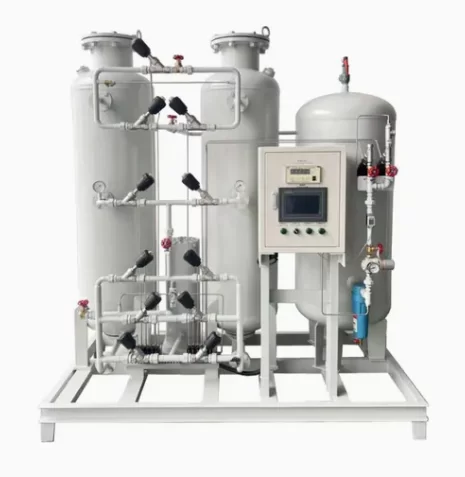
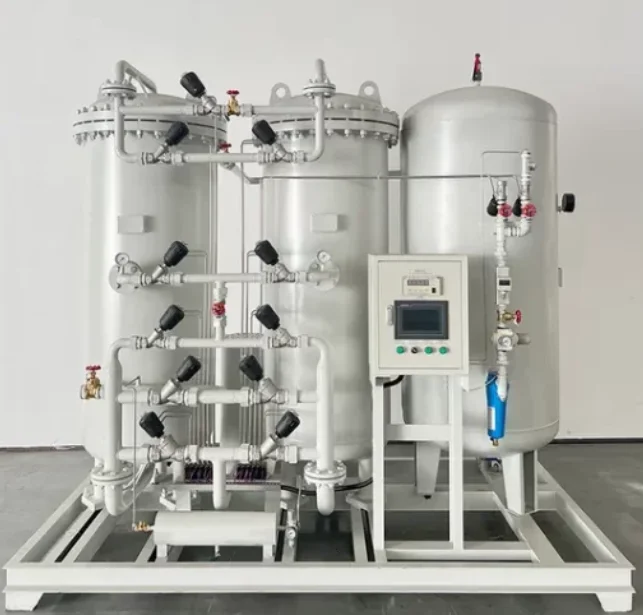
Simply put, an oxygen gas plant is a facility equipped to produce oxygen by separating it from ambient air — usually through cryogenic distillation, pressure swing adsorption (PSA), or membrane technology. This oxygen is then purified and compressed for use across various applications. It’s less mysterious than it sounds — if you think about a giant filter or sieve extracting oxygen molecules and packing them for delivery, that’s the short version.
These plants are not just about making oxygen but about ensuring its purity, consistent quality, and supply continuity. For example, hospitals need medical-grade oxygen with extremely tight impurity limits, while many industrial processes might accept slightly lower grades — but production control and safety standards remain paramount.
This largely determines the oxygen quality. Cryogenic plants cool air to separate gases based on boiling points — ideal for large-scale, ultra-pure oxygen. PSA plants use adsorbent materials to preferentially trap nitrogen, producing oxygen on-site with a smaller footprint. Membrane systems rely on selective permeability through polymer membranes, typically for lower volume or temporary requirements.
Oxygen demands vary wildly—small hospitals might need just a few hundred cubic meters per day, while steel plants require thousands. Scalable systems, often modular, help match production to demand without wasting resources or exceeding budgets.
Oxygen plants often operate 24/7. Modern plants increasingly utilize automated controls, fault diagnostics, and remote monitoring to minimize downtime. This reliability is critical, especially when supplying life-critical oxygen in hospitals or remote areas where expert technicians aren’t always on hand.
With more pressure on green technologies, plants that optimize power use or incorporate renewable energy sources can drastically reduce operating costs and carbon footprints. Some newer models even integrate waste heat recovery systems or use solar power to help with sustainability targets.
Complex systems aren’t helpful if they require constant expert maintenance. Many users now prefer turnkey solutions — machines designed for simpler servicing, with robust support and training protocols.
| Specification | Typical Value |
|---|---|
| Production Method | Pressure Swing Adsorption (PSA) |
| Oxygen Purity | 93% ± 3% |
| Daily Production Capacity | 500 to 2000 Nm³/day |
| Power Consumption | 300 kW (average) |
| Operational Pressure | 5-7 bar |
| Automation Level | Full PLC control with remote monitoring |
It’s one thing to talk specs, but what makes these plants truly fascinating is their impact in different sectors:
Oxygen gas plants are multi-industry heroes. Their ability to create oxygen on-site changes how sectors operate, sometimes quite literally saving lives or boosting productivity.
There’s a lot beneath the surface when you choose to install an oxygen plant. Apart from the obvious — continuous oxygen availability — you get:
The oxygen landscape isn’t static. Smart automation platforms now incorporate IoT sensors and AI-driven maintenance forecasts. Membrane technology is advancing to handle higher volumes more efficiently. Plus, there’s a palpable momentum toward hybrid plants that combine PSA units with solar-powered compressors — cutting costs and emissions simultaneously.
Some researchers are exploring decentralized micro-plants aimed at small communities with unreliable grid access. And on the policy side, shifts toward “green oxygen” production—leveraging electrolysis and renewable energy—are gaining traction. These trends predict a future where oxygen is not just abundant but more sustainable and adaptable to local needs.
Of course, it’s not all rosy. Issues include high capital costs, complex maintenance, and the need for steady electricity — often tricky in emerging regions. Oxygen purity consistency can vary with ambient conditions. But here’s where clever engineering steps in:
Many companies are responding with “plug-and-play” kits that simplify setup and maintenance. So, while challenges exist, continued innovation keeps pushing barriers down.
| Vendor | Technology | Typical Capacity | Automation | Eco Features | Price Range (USD) |
|---|---|---|---|---|---|
| OxyGenX Solutions | PSA & Cryogenic Hybrid | 1000-5000 Nm³/day | Full PLC with Remote Monitoring | Solar Power Integration | $350,000 - $1M |
| PureAir Tech | PSA Modular | 200-2000 Nm³/day | Semi-Automated with Onsite Control | Energy Recovery Systems | $150,000 - $450,000 |
| EcoOxygen Corp | Membrane-based | 100-600 Nm³/day | Basic Automation | Low Power Consumption | $80,000 - $200,000 |
Turnkey PSA plants can often be set up and running within 4 to 8 weeks, depending on capacity and site preparation. Cryogenic plants usually take longer due to complexity. Fast-track installations focus on modular units designed for plug-and-play setup, especially in emergency or remote scenarios.
Generally, yes. Although initial capital investment is higher, operational costs tend to be lower over time thanks to reduced dependency on transportation and reducing cylinder rental fees. Many facilities find ROI within 2 to 5 years, particularly where oxygen demand is constant.
Yes, but with qualifications. Hybrid plants combining backup generators, renewable energy, or battery storage increase reliability. Some units are engineered specifically for off-grid conditions, incorporating energy-efficient designs to handle power fluctuations.
Medical oxygen purity typically ranges from 82% to 99.5%, with standards regulated by bodies like the WHO. Purity affects patient safety and industrial performance — impurities can cause equipment damage or harm patients.
PSA plants have fewer moving parts and generally require less specialized maintenance. Cryogenic plants need routine check-ups by skilled technicians due to complex refrigeration setups. However, cryogenic systems produce larger volumes and higher purity, so it depends on your operational priorities.
In real terms, an oxygen gas plant is more than just machinery. It's a lifeline, a workhorse, and increasingly, a smart system blending engineering with sustainability. Whether you’re running a hospital, a steel mill, or gearing up for disaster relief, investing in an efficient, reliable oxygen generator makes a compelling case. The ability to control supply, cut costs, and improve safety translates to real-world impact — improving lives and livelihoods.
If you want to explore how an oxygen gas plant could benefit your operations, drop by our website. It’s worth a closer look — oxygen is, after all, life’s essential gas.