Hit enter to search or ESC to close
19 November 2025
Whenever we flip a switch or inhale fresh air in an emergency hospital, oxygen is playing a quiet but vital role behind the scenes. A cryogenic oxygen plant is a fascinating piece of industrial technology that produces ultra-pure oxygen by cooling air to extremely low temperatures until its components separate. This might sound niche, but globally, these plants impact everything from healthcare and manufacturing to disaster relief and even space exploration. Understanding how a cryogenic oxygen plant works—and why it’s essential—helps us grasp why oxygen supply remains a fundamental backbone of modern life, and why scaling up access to it is a truly global challenge.
In fact, the World Health Organization estimates that oxygen therapy could help save millions of lives annually, especially in low-resource settings. Yet logistical and technical barriers stand in the way. That’s exactly where advances in cryogenic oxygen plants bring hope: efficient, scalable, and cost-effective oxygen generation.
The planet’s oxygen supply is abundant in the atmosphere, but delivering concentrated, medical- or industrial-grade oxygen is surprisingly complex. According to United Nations data and ISO standards, the global demand for oxygen spans from steel manufacturing in China to medical use in hospitals worldwide. Over two-thirds of hospitals in low-income countries reportedly face oxygen shortages, which became painfully clear during recent healthcare crises.
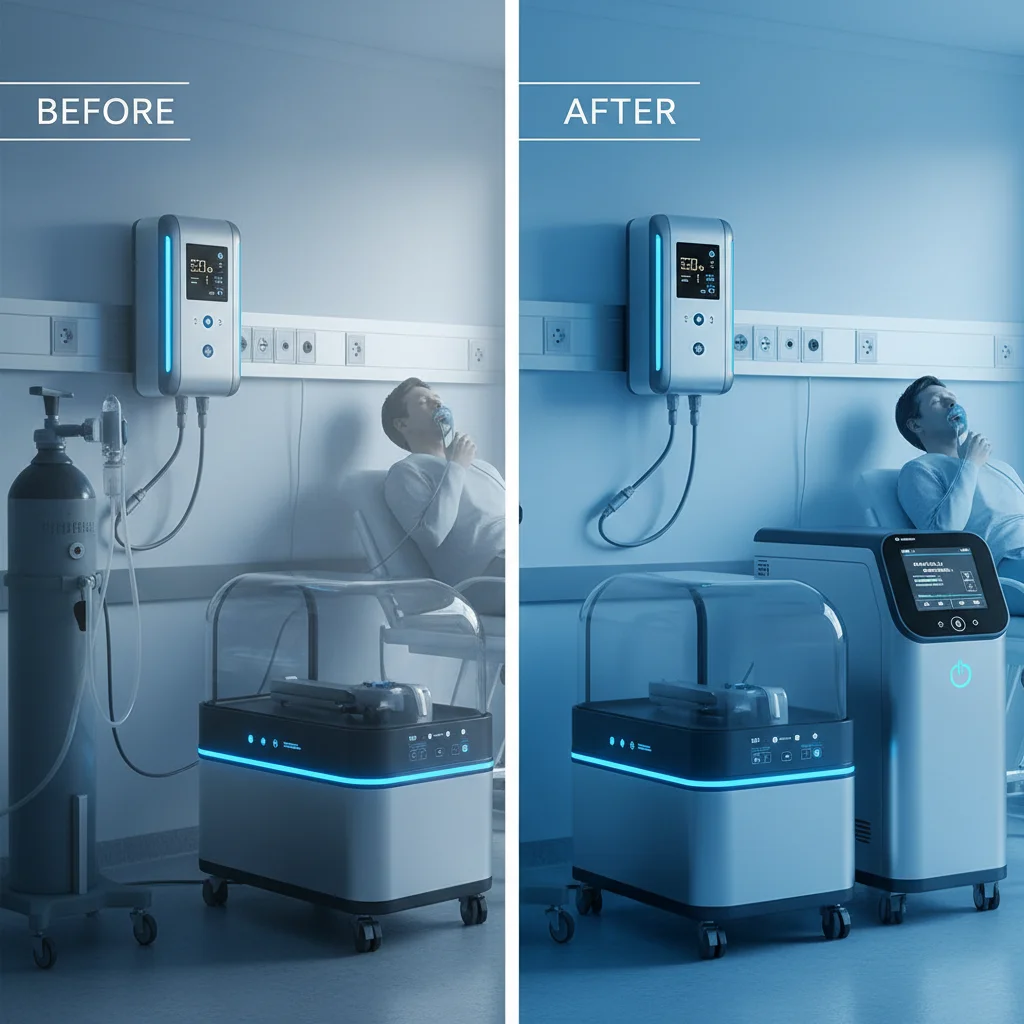
The challenge? Traditional oxygen cylinders are bulky, expensive to transport, and sometimes unsafe. That’s where cryogenic oxygen plants step in, offering a way to produce oxygen on-site and in large volumes, often directly at hospitals or factories. This minimizes dependency on lengthy supply chains.
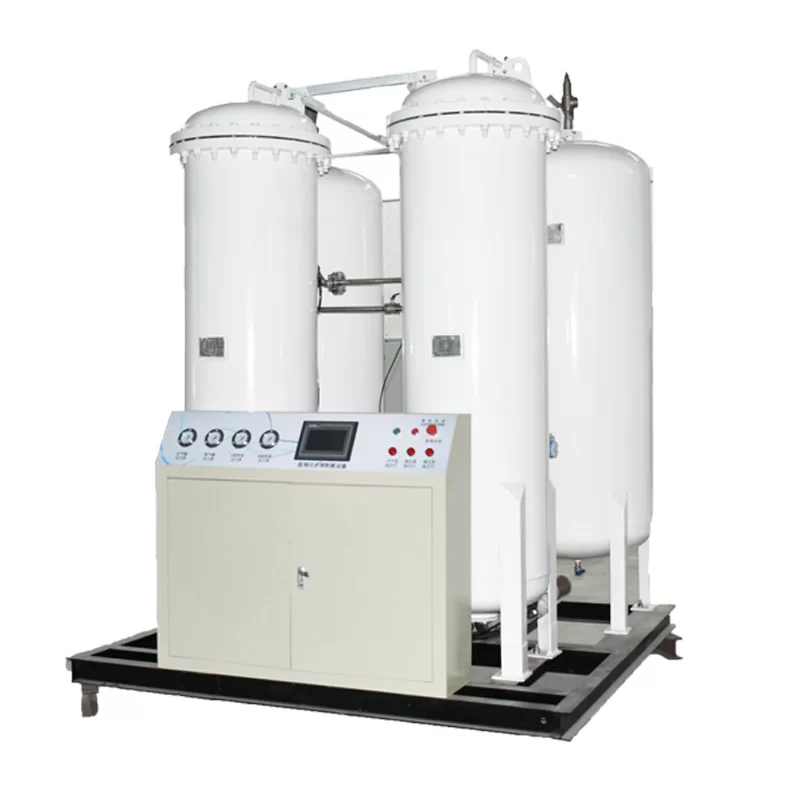
Simply put, a cryogenic oxygen plant is an industrial system that uses very low temperatures—typically below -183°C—to separate oxygen from atmospheric air. The process cools air so that its main components—nitrogen, oxygen, argon, and trace gases—condense into liquids, enabling the extraction of high-purity oxygen gas. This oxygen can then be compressed, stored, or piped directly to end-users.
Such plants are critical in industries like healthcare—think: running ventilators in ICUs—as well as metal fabrication, aerospace, and even water treatment. Globally, their ability to reliably produce oxygen close to users is a game changer.
The compressor raises atmospheric air pressure to prepare it for purification and cooling.
Removes impurities like dust, carbon dioxide, and moisture which could freeze and block the system.
The heart of the plant. It cools air until it liquefies and separates oxygen from other gases based on boiling points.
Allow efficient energy recovery and temperature control throughout the cooling process.
Hold the liquid oxygen before it's vaporized or compressed for delivery. Safe containment is key here.
Delivers purified oxygen in gas form or can store it under pressure for various applications.
Mini takeaway: Understanding these components sheds light on why cryogenic plants need expert engineering, careful maintenance, and significant investment upfront, but reward us with continuous, reliable oxygen supply.
Across continents and industries, cryogenic oxygen plants play out diverse but vital roles:
Mini takeaway: Cryogenic oxygen plants aren’t just industrial curiosities—they’re a backbone for global health, industry, and resilience.
Having a reliable, large-scale oxygen source brings tangible, long-term benefits:
And emotionally? It’s about dignity and trust—knowing that basic medical needs or critical manufacturing won’t be stalled by a lack of oxygen feels empowering.
| Specification | Typical Value |
|---|---|
| Oxygen Production Capacity | 5 - 500 Nm3/hour |
| Oxygen Purity | 99% - 99.5% |
| Power Consumption | 3 - 6 kW per Nm3 |
| Plant Footprint | 15 - 100 m2 |
| Operating Pressure | 4-6 bar gauge |
| Typical Installation Time | 2-6 months |
| Feature / Vendor | Vendor A | Vendor B | Vendor C |
|---|---|---|---|
| Production Capacity Range | 10-300 Nm3/h | 5-150 Nm3/h | 50-500 Nm3/h |
| Energy Efficiency | High | Medium | High |
| Price per Unit | $$$ | $$ | $$$$ |
| Customization Options | Extensive | Limited | Moderate |
| Global Support Availability | Yes | No | Yes |
As sustainability and digital transformation reshape industries, cryogenic oxygen plants are evolving. Experts predict increased incorporation of green energy sources like solar-powered compressors and more efficient heat exchangers that reduce energy use. Automation trends mean plants will increasingly use AI-driven diagnostics for predictive maintenance, minimizing downtime.
Additionally, modular and mobile cryogenic plants designed for rapid deployment are becoming a vital element of humanitarian efforts worldwide, shrinking installation time from months to mere weeks. Also, materials science advances help create lighter, more durable components that resist corrosion and thermal stresses, extending plant lifetimes.
No technology is perfect. Cryogenic oxygen plants face challenges such as high initial capital costs, need for skilled operators, and energy consumption levels. But... clever engineering and financing models are reducing barriers. For instance:
So, in a way, solving these challenges is as much about smart partnerships and innovation as about raw technology.
Cryogenic plants produce oxygen by liquefying and separating air components at extremely low temperatures, enabling high purity (99.5%+). PSA generators use absorbent materials to filter oxygen at room temperature, usually yielding 90-95% purity. Cryogenic plants are ideal for large-scale, continuous supply, especially where very high purity is required.
Depending on size and location, installation can range from 2 to 6 months. This includes site preparation, equipment delivery, assembly, and commissioning. Modular plants can reduce this duration.
Yes, especially modular cryogenic plants with smaller footprints and integrated power solutions. However, reliable electricity is key. Hybrid solar-diesel power systems are increasingly used to support off-grid operations.
Modern systems have numerous safety features like pressure relief valves, automated shutdowns, and temperature sensors. With proper training and maintenance, risks are minimal. But because oxygen supports combustion, strict protocols are essential.
Producing oxygen on-site means avoiding costly transport, storage, and cylinder maintenance fees. Over time, especially for high-consumption sites like hospitals or plants, cost savings compound significantly.
The humble cryogenic oxygen plant might not be the flashiest piece of tech, but its long-term value—social, economic, and environmental—is undeniable. From saving lives in emergency wards to powering the wheels of industry, its benefits ripple across communities and continents. For anyone looking to secure sustainable, high-purity oxygen supply that fits the modern world’s challenges, it’s worth considering the promise of cryogenic technology, especially with the evolving options in modularity and green innovation.
Ready to learn more or take the next step? Explore options tailored for your needs by visiting our cryogenic oxygen plant solutions.