Hit enter to search or ESC to close
19 November 2025
Oxygen is everywhere – in our atmosphere, vital inside our lungs, and increasingly indispensable in modern industry and healthcare. But how often do we think about where that oxygen comes from, especially the ultra-pure kind that powers medical devices or steel plants? Enter the oxygen manufacturing plant, a cornerstone technology that quietly supports everything from saving lives in hospitals to enabling sophisticated manufacturing worldwide.
Understanding oxygen production has never been more crucial. With growing populations, rising healthcare demands, and industrial expansion, the capacity to produce oxygen reliably reflects a nation's development, resilience, and innovation. In fact, recent global health crises highlighted oxygen’s critical role, prompting governments and industries to rethink supply chains and invest in scalable solutions.
Globally, the oxygen production market is booming. According to the World Bank, over 200 million oxygen cylinders were used worldwide in 2020 alone for medical purposes. And industrial oxygen demand follows a parallel trajectory — whether for metal fabrication, chemical synthesis, or wastewater treatment.
However, the pandemic exposed a hard truth: many countries lack adequate oxygen production infrastructure. Remote regions, in particular, suffered the most, with oxygen scarcity costing lives and stalling industries. It poses a logistical and technological challenge — how to build reliable, cost-effective oxygen manufacturing plants that serve diverse needs with minimal downtime.
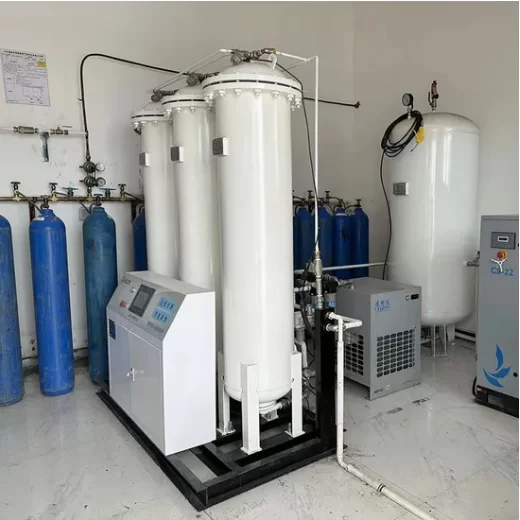
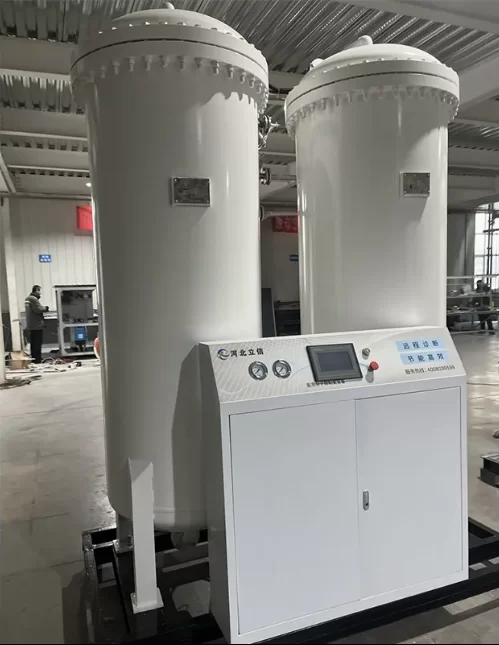
Simply put, an oxygen manufacturing plant is a facility designed to produce oxygen gas in sufficient quantity and purity to meet industrial and medical standards. These plants typically extract oxygen from ambient air via methods like cryogenic distillation, pressure swing adsorption (PSA), or membrane separation.
The oxygen produced ranges from industrial grade (usually about 93-95% purity) to medical or ultra-high purity (up to 99.7%), essential for patient treatment interventions or precision manufacturing. Today’s plants are marvels of engineering that blend physics, chemistry, and automation, enabling continuous supply around the clock.
Putting all this together makes it easier to see why these plants are complex but absolutely necessary in various sectors.
The value of oxygen plants spans continents and industries:
For example, the steel production plants in India and China operate large-scale cryogenic oxygen plants integral to their output. Meanwhile, NGOs in sub-Saharan Africa utilize modular PSA oxygen plants to bolster emergency healthcare capacity.
Oxygen manufacturing is far from a niche industry. It’s a global facilitator of health, infrastructure, and clean technology implementation.
These plants need to run 24/7 with minimal downtime. So robust materials and preventive maintenance systems are essential.
Plants have to be tailored in size — from small units producing a few hundred Nm³/hr to massive installations pumping thousands.
Operating costs, especially power consumption, must be optimized to keep oxygen affordable for hospitals and industries alike.
Depending on the application, oxygen purity standards vary. Reliable sensors and purification units maintain strict compliance.
Modern plants embrace green technology — reducing emissions, using eco-friendly refrigerants, and integrating renewable energy when possible.
| Specification | Typical Value |
|---|---|
| Production Capacity | 100 - 5000 Nm³/hr |
| Oxygen Purity | 93% - 99.7% |
| Power Consumption | 0.3 - 0.6 kWh per Nm³ O₂ |
| Operating Pressure | 5 - 10 bar |
| Typical Footprint | 15 - 60 m² |
| Vendor | Technology | Purity Range | Strength | Ideal Use |
|---|---|---|---|---|
| AirSep | PSA Technology | 93%-95% | Fast deployment, modular designs | Hospitals, remote sites |
| Linde | Cryogenic Distillation | 99.5%-99.7% | Large scale, high purity | Industrial, medical |
| Air Liquide | Cryogenic & PSA | 93%-99.7% | Customizable, global footprint | All types |
Aside from the obvious that oxygen plants save lives and facilitate industry, there are layers beneath worth considering:
Looking ahead, the industry is evolving rapidly — kind of like the rest of the world suddenly realizing oxygen is not just “free air”:
It’s not all smooth sailing. Plants face:
Experts often recommend hybrid solutions combining local plants with centralized supply and ongoing training to overcome these obstacles. Plus, digital tools are transforming maintenance into a proactive rather than reactive process—so downtime is minimized.
Installation speed varies by type and scale. Smaller PSA plants can be up and running within weeks, while large cryogenic plants may require several months due to complexity and infrastructure setup.
Yes, modular and containerized plants are increasingly common, designed to be transportable for disaster relief or temporary industrial sites.
With proper maintenance, oxygen plants generally last 15–25 years. Components like compressors and filters may need replacement every few years.
For hospitals using large volumes daily, onsite plants often reduce long-term costs and supply risks, but initial investment must be carefully considered alongside local logistics.
Depending on the technology, oxygen purity typically ranges between 93% (PSA tech) and up to 99.7% (cryogenic), meeting stringent medical and industrial standards.
Frankly, these plants are unsung heroes. They balance innovation with critical human need — supporting our health systems, powering industries, and underpinning sustainable futures. Whether you’re a hospital administrator, engineer, or policymaker, understanding oxygen production infrastructure is key to ensuring resilience today and beyond.
For more insights or exploring custom solutions, visit our partners at oxygen manufacturing plant.
Investing in oxygen manufacturing plants is not just about gas—it’s about guaranteeing life, industry, and progress where and when it counts.
References:
1. Wikipedia - Oxygen
2. WHO - Medical Oxygen
3. ISO Standards on Medical Gases