Hit enter to search or ESC to close
20 November 2025
Oxygen might be all around us—about 21% of the air we breathe—but when it’s in its pure industrial form, it becomes a critical lifeline for countless sectors worldwide. Industrial oxygen plants produce concentrated oxygen for everything from steelmaking to hospitals, and even pandemic response efforts. Why does understanding this technology matter? Because an industrial oxygen plant is a silent heavyweight in global infrastructure, ensuring industries run efficiently and lives are saved daily.
Plus, as environmental concerns push industries to cleaner processes, knowing how oxygen plants work—and the benefits they offer—helps us appreciate this unassuming hero.
It might seem odd at first—oxygen, ubiquitous as air itself—yet billions of cubic meters of pure oxygen are generated annually by these plants worldwide. According to the International Organization for Standardization (ISO), the pure oxygen market has seen steady growth, roughly 7% annually over the past decade, driven by industries like healthcare, metallurgy, and water treatment.
In the wake of recent global health emergencies, WHO data highlighted severe shortages in oxygen supply, especially in low-resource regions. This shortage exposed a huge supply chain vulnerability—one that underscores the need for robust, scalable industrial oxygen plants. Without them, hospitals struggle to provide life-saving care; industries face downtime, and the global push toward greener technologies falters.
In short: industrial oxygen plants are a quiet, but crucial part of the world’s resilience and growth story.
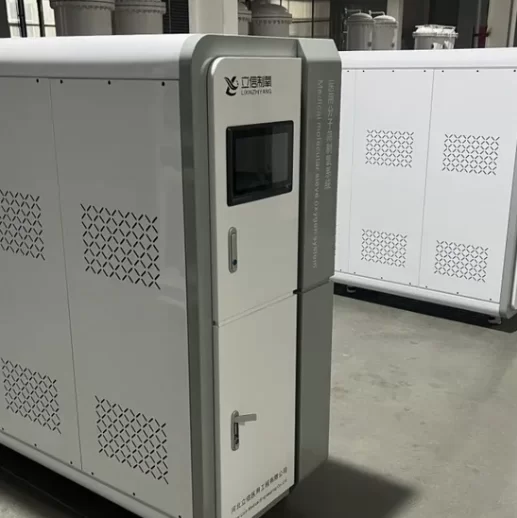
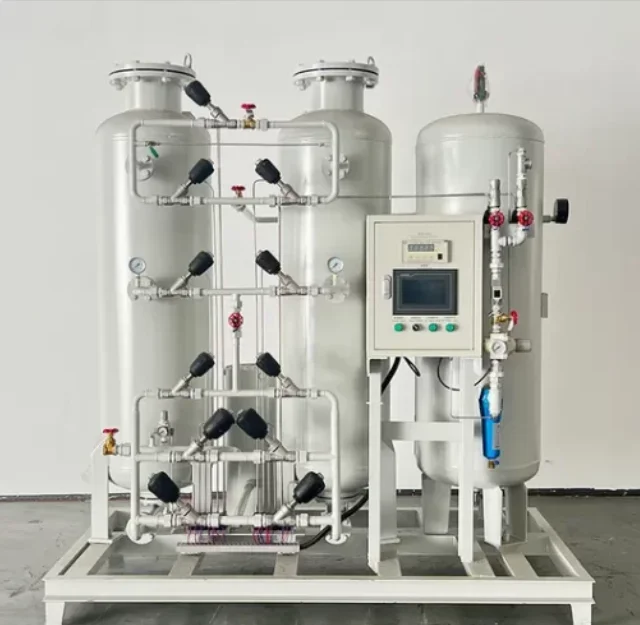
Put simply, an industrial oxygen plant is a facility that extracts and purifies oxygen from air or other sources to deliver it at high purity levels—usually above 90-95%. The oxygen thus produced is compressed and bottled or piped directly for varied industrial or medical uses.
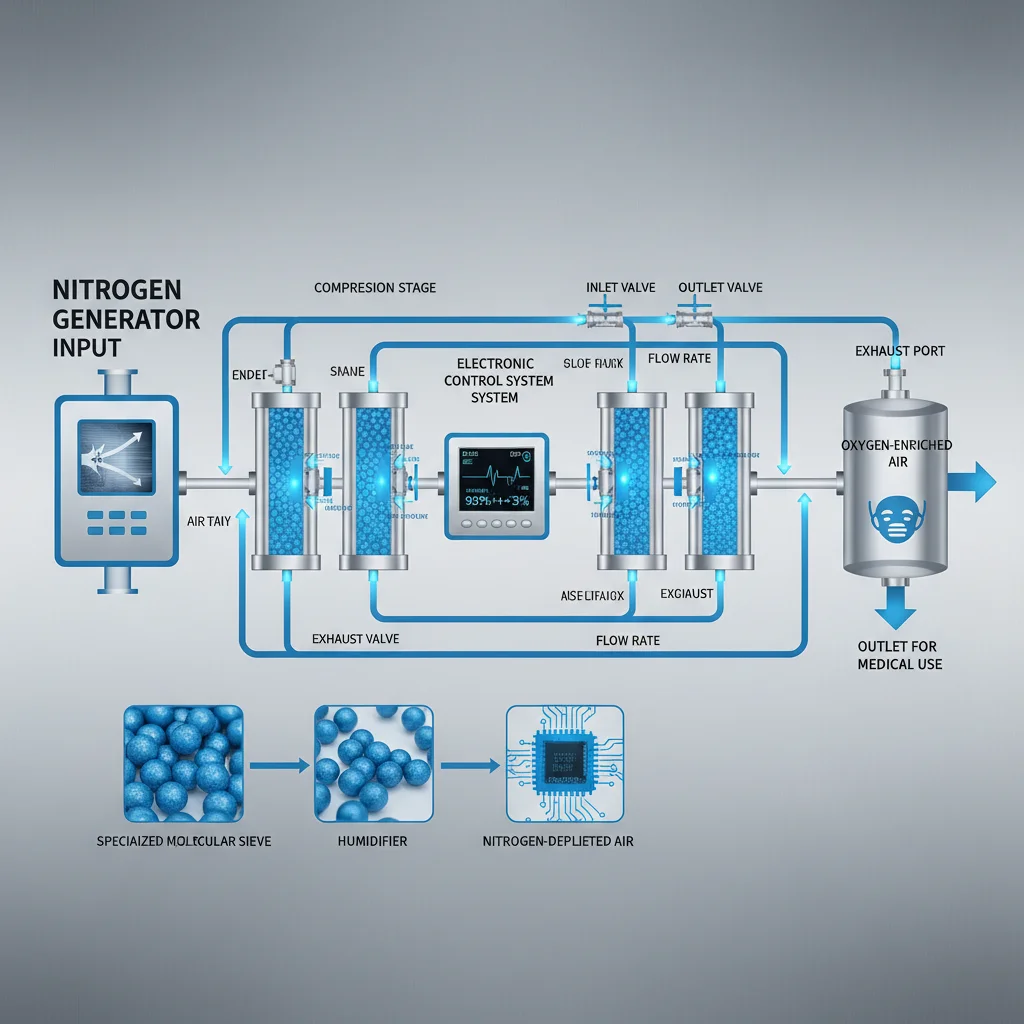
Think of it as a giant air filter tailored to separate one element: oxygen. These plants incorporate processes like cryogenic distillation, pressure swing adsorption (PSA), or vacuum pressure swing adsorption (VPSA) to isolate oxygen molecules from nitrogen and other gases.
It’s fascinating how this technology connects to such an array of needs: factories rely on oxygen for combustion and chemical reactions; medical facilities need pure oxygen for patient care; and even areas hit by natural disasters count on mobile oxygen plants to provide emergency support.
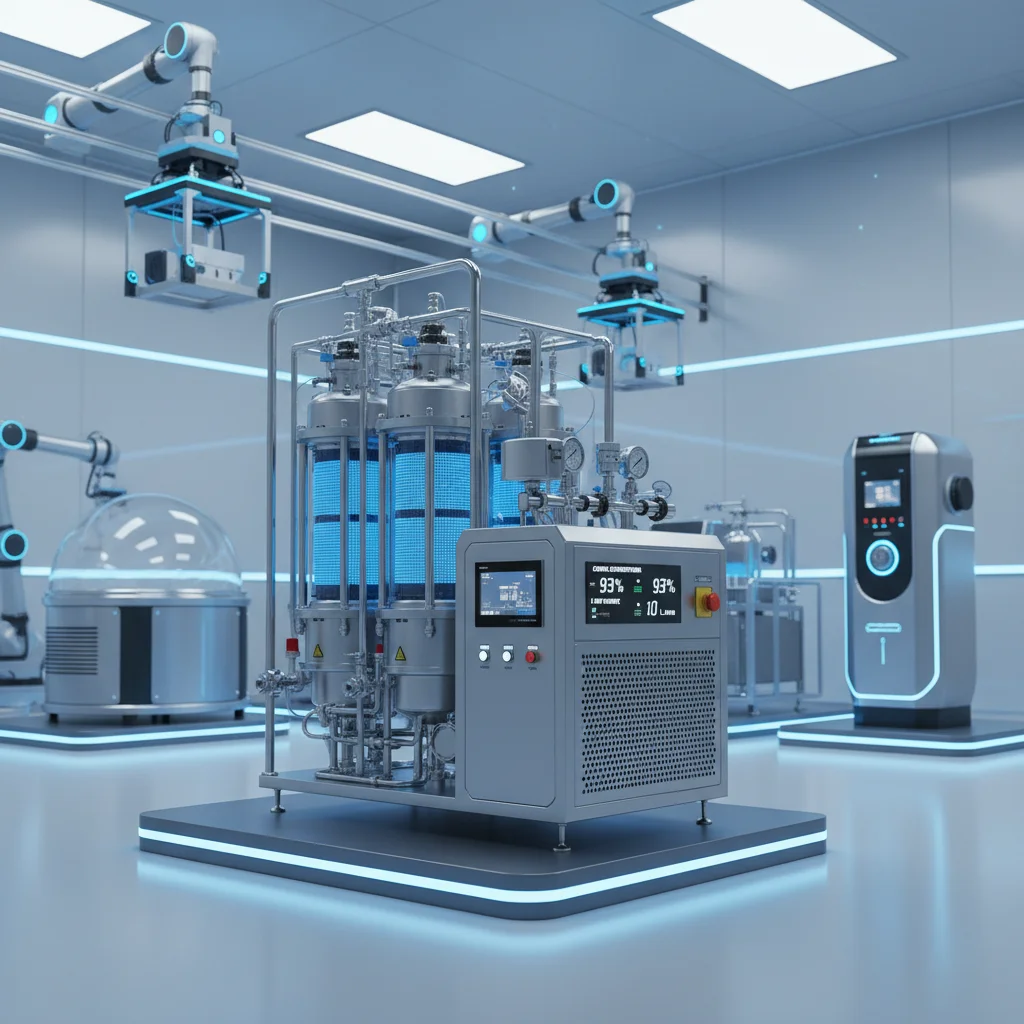
The heart of any oxygen plant is its method of separating oxygen. Cryogenic technology cools air to ultra-low temperatures, separating oxygen by liquefaction—ideal for large-scale, high-purity needs. PSA and VPSA use molecular sieves to adsorb nitrogen selectively, being more flexible and energy-efficient for medium scales.
Units range from small portable plants producing a few hundred cubic meters daily to massive installations churning out thousands of tons. The scalability matters a lot, especially when emergency needs suddenly spike, or a factory ramps up output.
Industrial oxygen plants run 24/7, often in harsh conditions. Materials used must resist corrosion and wear; equipment design must allow easy maintenance. Without this, downtime can be costly or even dangerous—imagine a hospital running dry on oxygen.
Energy consumption is one of the biggest operational costs. Newer plants aim to minimize power use through better compressors, heat exchangers, and process controls. With growing regulations on emissions and energy use, greener oxygen plants are becoming standard.
Oxygen is highly reactive, so plants incorporate multiple safeguards — from pressure relief valves to oxygen sensors and automated shutdown procedures — to avoid fires or explosions. This aspect is non-negotiable and constantly evolving with technology.
The applications span continents and sectors:
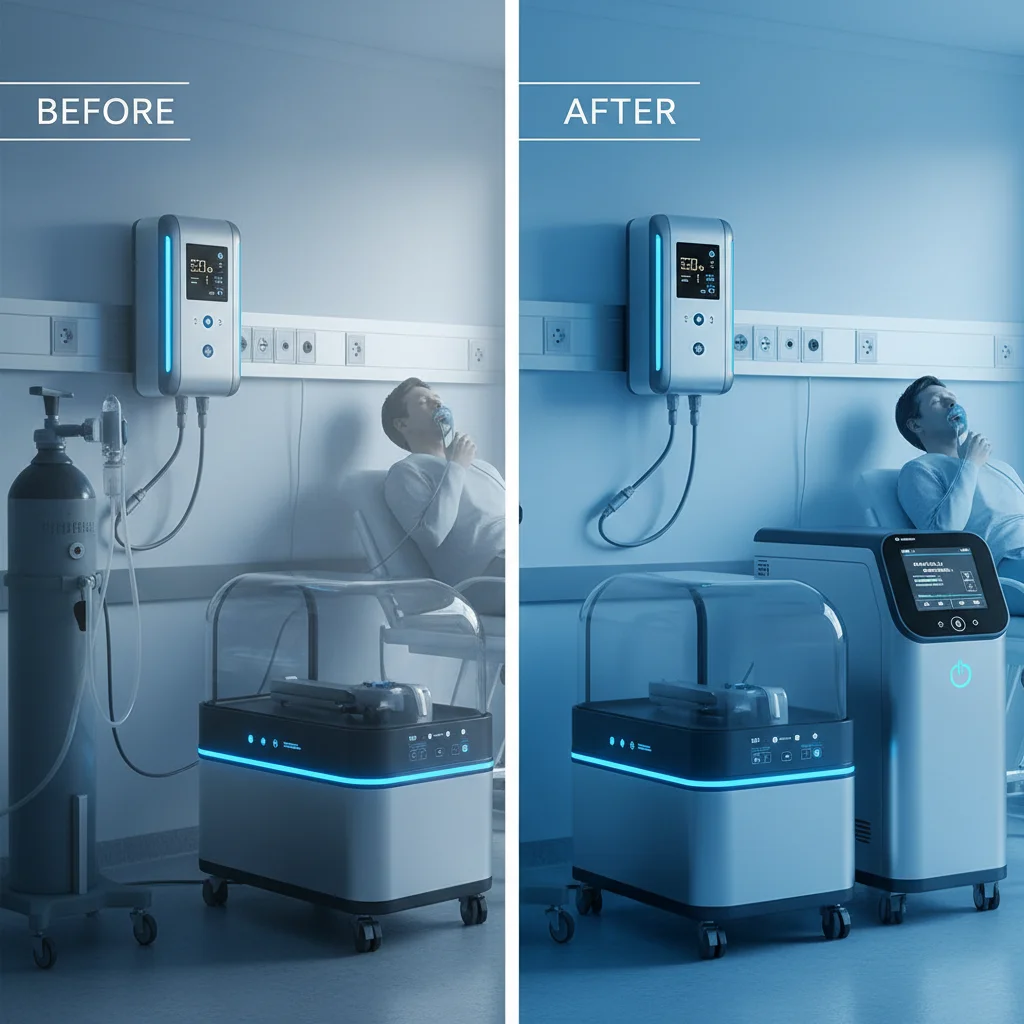
A good example: during COVID-19 peaks, many countries scrambled to install modular industrial oxygen plants close to hospitals, literally saving thousands of lives by providing emergency oxygen supply on-site.
Beyond just oxygen output, these plants offer companies and governments:
On a human note—it’s heartening to realize that behind every hospital bed with oxygen therapy, or behind every steel beam forged, is a complex system quietly humming away, keeping things alive and growing. You could say oxygen plants are the unsung infrastructure of modern life.
| Specification | Typical Value | Notes |
|---|---|---|
| Oxygen Purity | 90-99.5% | Depends on tech (PSA vs Cryogenic) |
| Daily Capacity | 500 – 5000 m³/day | Varies widely by plant size |
| Power Consumption | 0.3 – 0.6 kWh/m³ oxygen | Efficiency depends on technology and scale |
| Plant Footprint | 15 – 100 m² | Compact for modular/mobile units |
| Typical Lifespan | 15-20 years | With regular maintenance |
| Vendor | Technology | Capacity Range (m³/day) | Energy Efficiency (kWh/m³) | Global Presence |
|---|---|---|---|---|
| OxSys Technologies | PSA & VPSA | 300 – 2000 | ~0.35 | Asia, Europe |
| CryoPure Systems | Cryogenic Distillation | 1000 – 10000+ | ~0.5 | Global |
| EcoGas Solutions | PSA (Solar-powered) | 200 – 1500 | ~0.3 | Africa, South America |
What’s next? Well, the push towards decarbonizing industries puts oxygen plants under the spotlight. Advances in digital monitoring and AI-driven process optimization are making plants more energy-efficient and predictive in maintenance, reducing downtime. Also, integrating green energy—solar or wind—into oxygen production reduces carbon footprints, particularly important in emerging economies.
Furthermore, modular and mobile oxygen plants are becoming increasingly popular, thanks to their quick deployment capabilities in crisis zones or industrial expansion areas. Oddly enough, the future may hold not just bigger plants but smarter and more flexible ones.
No system is perfect, right? Common issues include:
These challenges are being addressed by continuous innovation—sometimes it’s small tweaks, other times full redesigns, but the goal is always smoother, safer, and greener oxygen availability worldwide.
Industrial oxygen plants might not grab headlines, but their impact is profound—fueling industries, saving lives, and shaping sustainable futures. With ongoing innovation and increasing global demand, they remain an essential piece of the puzzle in health, manufacturing, and environmental stewardship.
If you’re looking to explore solutions or invest in a reliable, efficient, and scalable industrial oxygen plant, don’t hesitate to reach out. After all, tomorrow’s oxygen supply demands today’s smart choices.