Hit enter to search or ESC to close
28 November 2025
Oxygen is something we often take for granted — after all, we breathe it every moment without thinking. But when a person cannot get enough oxygen, the consequences can be deadly. That’s where the 5l O2 concentrator steps in: a specialized medical device that supplies oxygen-enriched air to patients needing respiratory assistance. Globally, the importance of such devices has surged, especially in response to respiratory diseases and emergencies. Whether it’s in bustling hospitals, remote clinics, or humanitarian crisis zones, these concentrators have become quiet heroes saving lives.
For a bit of perspective, the World Health Organization estimates that chronic respiratory diseases affect hundreds of millions worldwide, and access to supplemental oxygen can be lifesaving. Understanding what a 5l O2 concentrator is and how it functions is key to appreciating its broad impact—from healthcare to disaster relief.
Mini takeaway: 5l oxygen concentrators are essential medical devices globally, fulfilling a growing need for oxygen therapy and emergency medical response.
It's easy to forget how intertwined our health infrastructure is, especially when seamless oxygen delivery becomes critical. The United Nations and WHO have reported significant gaps in oxygen availability during recent health crises, such as the COVID-19 pandemic. Countries in low-resource settings, as well as remote regions, often lack reliable oxygen supply chains.
Globally, the demand for portable oxygen solutions like the 5l oxygen concentrator has notably increased — roughly doubling over the past decade, according to some international health studies. This demand highlights persistent challenges:
From urban hospitals in the EU to remote clinics in Sub-Saharan Africa or Asia, the portable oxygen concentrator becomes more than just a machine — it’s a symbol of hope and survival.
Mini takeaway: The 5l O2 concentrator is a bridge between patient need and oxygen delivery across vastly different global environments, both stable and crisis-driven.
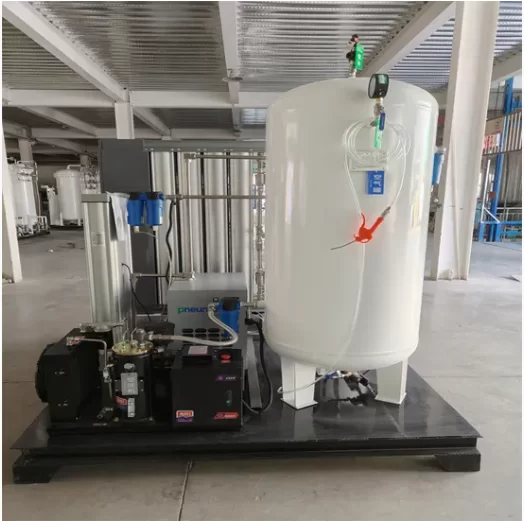
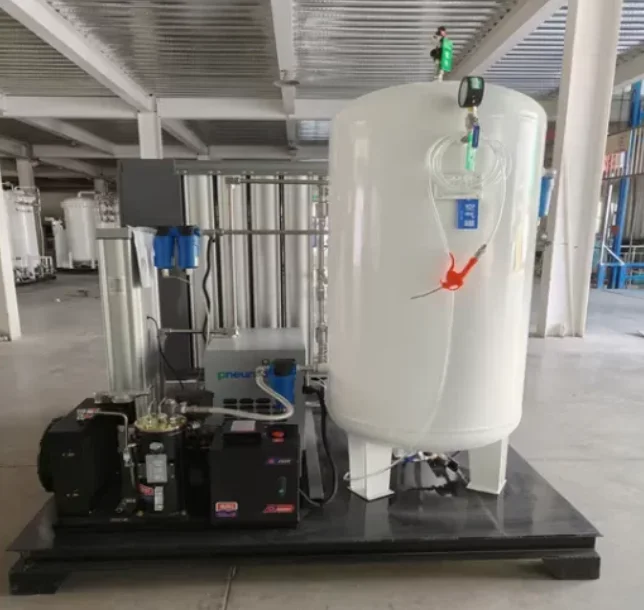
At its core, a 5l O2 concentrator is a device that extracts oxygen from ambient air, increasing oxygen purity for therapeutic use. The number "5l" means it can supply oxygen at a flow rate of up to 5 liters per minute — adequate for many patients experiencing mild to moderate hypoxia or those requiring continuous oxygen therapy.
Unlike bulky oxygen tanks, which store compressed gas, these concentrators work by passing air through sieve beds using pressure swing adsorption technology, capturing nitrogen and delivering concentrated oxygen. This makes them lighter, more convenient, and less dependent on bottled gas logistics.
Sadly, oxygen therapy is often underserved in humanitarian settings — but these concentrators offer a relatively low-cost solution with extraordinary impact. They support everything from respiratory illness management to surgical procedures requiring oxygen support.
Mini takeaway: Simply put, the 5l oxygen concentrator is a compact, efficient device producing a steady stream of concentrated oxygen without relying on tanks.
The 5-liter per minute flow rate is designed to cover a large range of clinical needs, balancing portability and therapeutic efficacy. Most devices deliver oxygen with purity levels around 90–95%, which is suitable for many patient profiles but not for intensive care that demands higher concentrations.
Durability is where these devices shine for field use. Many models come with rugged casings, operating tolerances suitable for hot climates, and vibration-resistant parts. Portability is critical especially for home care or emergency response teams hustling through challenging terrains.
Oxygen concentrators require continuous electrical power, and some newer models have low power consumption, enabling use with solar panels or batteries in off-grid areas. A backup battery can be a lifesaver (literally!) when power outages strike during crises.
Surprisingly, noise is a common complaint in clinical settings. Modern designs use noise-dampening tech to keep it low and unobtrusive. User-friendly panels and simple alarms ensure caregivers can respond fast without fumbling through complex controls.
Routine maintenance is a must — filters need cleaning or replacement to maintain air purity and device longevity. Some suppliers offer modular components allowing basic field servicing, which is crucial in places without sophisticated medical tech support.
Mini takeaway: The 5l O2 concentrator is a marriage of engineering precision and practical design, with flow, durability, power, and user comfort tightly balanced.
These concentrators shine in diverse environments:
To illustrate, an NGO operating in Southeast Asia noted a 40% reduction in hypoxia-related fatalities by introducing portable 5l concentrators alongside training for paramedics. Similarly, many high-altitude trekking companies carry them to safeguard clients.
Mini takeaway: Far from being confined to hospitals, these concentrators are truly multipurpose, adapting to various real-world demands.
The benefits extend well beyond the obvious survival factor:
Emotionally speaking, knowing that oxygen can be "breathable" anytime, anywhere is a comfort hard to quantify. For patients and families, it’s a symbol of hope.
| Feature | Specification |
|---|---|
| Oxygen Flow Rate | 0.5 - 5 liters per minute |
| Oxygen Concentration | 90% - 95% (+/- 3%) |
| Power Supply | 100-240V AC, 50/60 Hz; optional DC and battery backup |
| Noise Level | |
| Weight | 8 - 12 kg |
| Dimensions | Approx. 35 x 20 x 40 cm |
| Brand | Flow Rate (LPM) | Oxygen Purity (%) | Price Range (USD) | Special Features |
|---|---|---|---|---|
| OxyHealth Plus | 0.5 - 5 | 93% | $850 - $1,000 | Low noise, battery backup |
| PureAir MedTech | 1 - 5 | 95% | $900 - $1,200 | Portable, solar compatible |
| MedAir Pro | 0.5 - 5 | 90% - 94% | $800 - $950 | Rugged design, easy maintenance |
The future looks promising. Engineers and designers are pushing new boundaries, incorporating smarter electronics, AI-powered diagnostics, and greener energy sources. Some upcoming models integrate remote monitoring features, allowing clinicians to track oxygen levels and device status via mobile apps, improving patient safety and adherence.
Environmental pressures are encouraging low-energy designs and solar power compatibility. Imagine a time when off-grid and emergency oxygen delivery can happen autonomously, powered by clean energy and predictive maintenance. It's just around the corner.
Mini takeaway: Expect oxygen concentrators to become more intelligent, sustainable, and accessible in the near future.
Of course, no technology is perfect. Some hurdles include:
In real terms, overcoming these involves a combination of smart funding, training, and leveraging new tech advances. No magic wand, but positive progress.
Without oxygen, life doesn’t exist — and supporting those who need it shouldn't either. The 5l O2 concentrator represents a mature, well-engineered solution bridging diverse healthcare needs worldwide. Whether you’re a healthcare provider, an NGO, or a patient, investing in reliable oxygen concentrators means choosing sustainability, safety, and hope.
Curious to find a model that fits your needs? Visit 5l o2 concentrator for specifications, pricing, and expert advice. Because sometimes, breathing easy is everything.