Hit enter to search or ESC to close
28 November 2025
Oxygen—the very air we breathe—becomes critically significant when our bodies or environments cannot supply enough on their own. Enter the oxygen machine 5 litre, a device that's quietly but indispensably transforming medical care, emergency response, and industrial processes worldwide.
Why does understanding this gadget matter? Well, globally, health challenges like respiratory illnesses, high-altitude adaptation, or emergency trauma care have increased demand for reliable oxygen delivery systems. The COVID-19 pandemic, for instance, spotlighted the urgent need for accessible oxygen solutions, especially in regions with limited healthcare infrastructure.
Gripping the basics of oxygen machines, especially the 5 litre capacity models, unlocks a world where healthcare becomes portable, scalable, and more dependable—a quiet revolution saving lives beyond hospital walls.
The need for oxygen therapy transcends borders and industries. According to the World Health Organization, millions suffer from conditions where supplemental oxygen is a matter of life or death. The market for oxygen concentrators, including the oxygen machine 5 litre, has grown sharply, reflecting urgent health needs worldwide.
In resource-strapped regions, lack of oxygen often means lost lives, posing a huge challenge for health systems. This is where reliable 5 litre oxygen machines step in—offering a balance of capacity, portability, and cost.
These machines also have industrial relevance—from underwater diving support to metal cutting and welding in factories, where a steady oxygen supply enhances efficiency and safety.
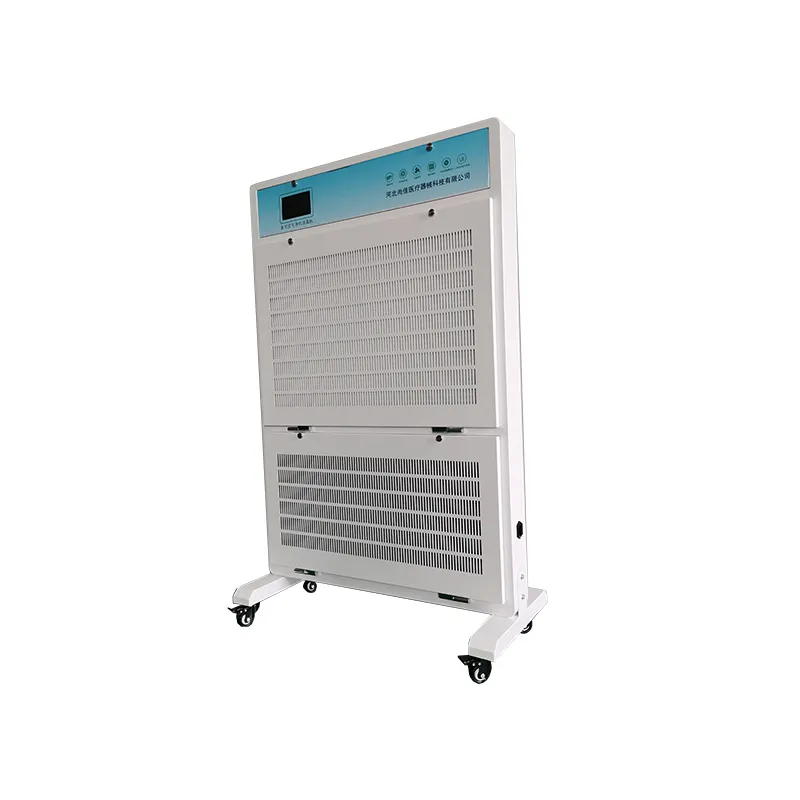
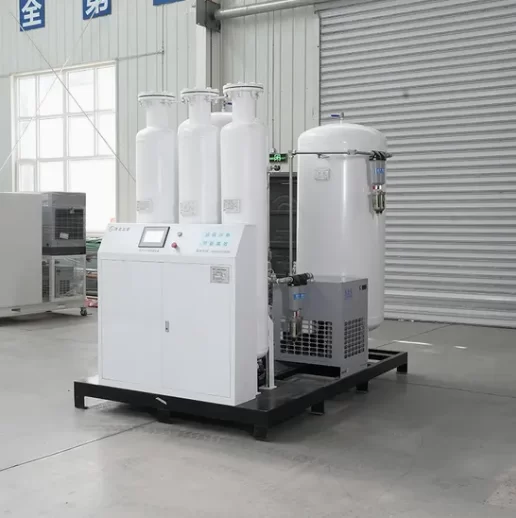
In simple terms, an oxygen machine 5 litre is a medical device designed to deliver oxygen at a flow rate of up to five liters per minute. Unlike traditional oxygen tanks, these machines generate oxygen directly from atmospheric air using PSA (pressure swing adsorption) technology.
This model size is popular in home healthcare, clinics, and ambulance services because it effectively meets the oxygen needs of many patients without cumbersome cylinders. It's a bridge between heavy industrial oxygen supplies and smaller, portable devices.
The ability to consistently deliver up to 5 liters per minute at over 90% purity is critical. Users often report that fluctuations in flow can mean everything between comfort and discomfort.
Though not pocket-sized, the 5 litre units tend to be compact enough for homes or on-the-move care, without requiring heavy logistics or constant refilling.
Electricity consumption varies, but many modern machines focus on energy-saving modes—especially when running for hours at a time.
Tough casing and user-friendly filters make a difference in rugged or resource-poor settings. Ease of maintenance reduces downtime, which is non-negotiable when lives depend on the device.
A quieter device improves the comfort of patients, especially in homecare scenarios.
| Specification | Typical Value |
|---|---|
| Oxygen Flow Rate | 0.5 - 5 L/min |
| Oxygen Purity | Over 90% |
| Weight | ~10 kg (varies by model) |
| Power Consumption | Approx. 300W |
| Noise Level | 40-50 dB |
| Operating Temperature | 10°C - 40°C |
The oxygen machine 5 litre sees diverse use across continents. In healthcare, it's indispensable in hospitals across Europe, North America, and increasingly in developing nations’ clinics and homes where pressurized oxygen tanks aren't affordable.
In disaster relief, NGOs and government agencies deploy these machines to support victims with acute respiratory distress. For example, during floods in South Asia, portable oxygen concentrators helped save countless lives where hospitals were flooded or overwhelmed.
Industrial use cases include metal smelting operations in remote mines, where consistent oxygen flow enhances furnace efficiency. Also, in aviation and high-altitude research stations, 5 litre machines maintain adequate oxygen levels for staff.
But let's not forget the emotional angle: families and patients trust these machines to safeguard their breath — quite literally. In many parts of the world, owning or having access to one means dignity and peace of mind.
The innovation curve continues to bend toward smarter, greener, and more connected devices.
As global emphasis on sustainable healthcare grows, so too will demand for these smarter, more efficient oxygen providers.
No device is perfect. Some common hurdles include:
Many engineers and clinicians work closely to innovate around these issues. Oddly enough, some of the cleverest solutions arise from challenging environments themselves.
| Brand | Price Range (USD) | Warranty | Power Consumption | Noise Level (dB) | Portability |
|---|---|---|---|---|---|
| OxyLife 5000 | $1,200 - $1,500 | 2 years | 320W | 45 dB | Moderate |
| PureAir 5 Star | $1,500 - $1,800 | 3 years | 290W | 40 dB | High |
| MedOx Genie 5 | $1,100 - $1,350 | 1.5 years | 310W | 50 dB | Moderate |
A: Most are designed for 24/7 operation with proper maintenance, though it’s recommended to take short breaks daily to prevent overheating. Filter changes every 6 to 12 months also extend longevity.
A: Yes, provided there’s reliable power supply. Some models offer battery backups or solar-ready options for off-grid scenarios.
A: Regular monitoring, typically every 3–6 months, is advised to ensure the machine operates within safety standards. Some newer devices provide real-time purity readouts.
A: Absolutely. Oxygen machines are designed for safe household use but always follow prescribed flow rates and maintenance schedules.
A: It depends on patient needs. The 5 litre oxygen machine fits moderate respiratory support. Smaller units are more portable but less powerful, while larger machines serve intensive care settings.
In the end, this isn’t just about machines or specs. It’s about extending life, ensuring dignity, and bridging health inequalities. The oxygen machine 5 litre packs a lot of punch in a compact form, walking a fine line between medical necessity and practical everyday use.
If you or your organization are seriously considering reliable oxygen support, this device is worth a look. It’s dependable, efficient, and increasingly vital in a world where oxygen may no longer just be “the air we breathe” but the air we struggle to get.
Visit our website today at https://www.storeoxygen.com to explore options and get expert advice tailored to your needs.