Hit enter to search or ESC to close
26 November 2025
Oxygen isn’t just the air we breathe—it's a vital element behind modern industry, healthcare, and emergency response. PSA oxygen gas plants have quietly revolutionized how oxygen is produced on-site, catering to everything from hospital wards to remote factories. But beyond the tech jargon, why should we care?
Globally, oxygen demand has skyrocketed—especially during healthcare crises like the COVID-19 pandemic—highlighting critical supply chain vulnerabilities. Installing a psa oxygen gas plant allows facilities to become self-sufficient, ensuring a steady, reliable oxygen supply without depending heavily on bulky cylinders or costly deliveries.
In short: understanding PSA plants helps industries and communities breathe easier—literally—and can make the difference during emergencies or in remote areas.
It’s no exaggeration to say that oxygen production plays a key role in sustaining life and industry worldwide. According to the World Health Organization, oxygen availability was a serious bottleneck in many hospitals during recent years, especially in low-income countries. Meanwhile, industries like steelmaking, wastewater treatment, and chemical processing continuously crave higher-purity oxygen to boost efficiency.
Moreover, environmental standards set by bodies such as ISO encourage cleaner, on-site production methods to reduce transportation emissions and improve resource management. The PSA (Pressure Swing Adsorption) technology fits perfectly: an eco-friendly, cost-effective solution to produce oxygen reliably from ambient air.
Of course, challenges remain. Oxygen shipments can be expensive and vulnerable to delays, especially during crises or in remote regions. PSA oxygen gas plants mitigate this by producing oxygen where it’s needed, anytime, providing a local backbone to a global issue.
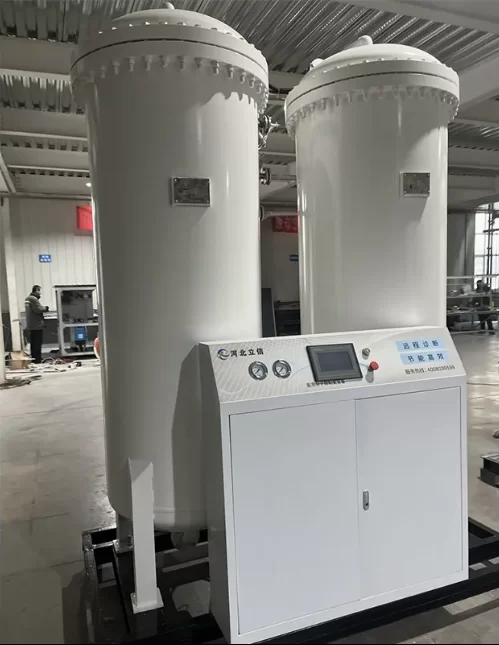
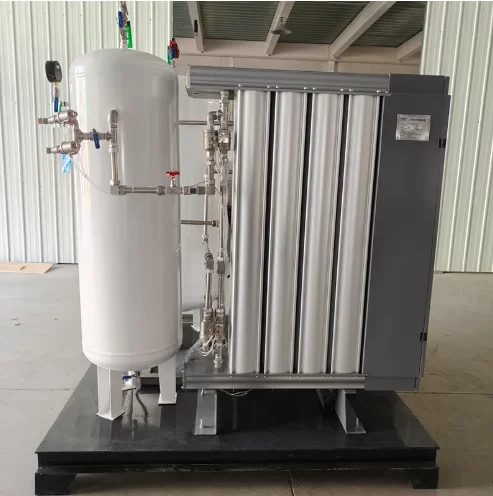
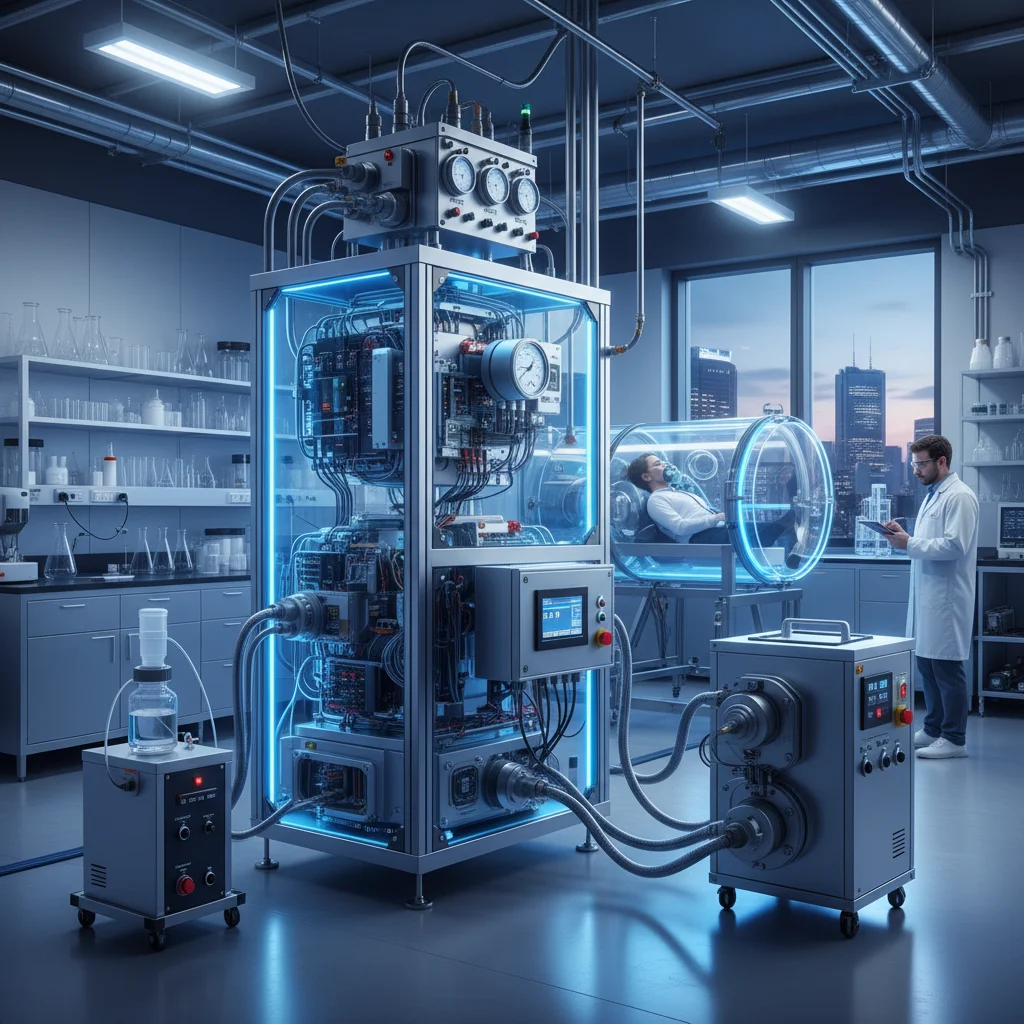
Simply put, a PSA oxygen gas plant is a complex yet fascinating machine that extracts oxygen from the air using an ingenious separation method called pressure swing adsorption. Air is roughly 78% nitrogen, 21% oxygen, and 1% other gases. The PSA system uses a special adsorbent material (usually zeolite) that temporarily traps nitrogen under pressure, letting oxygen pass through for collection.
Compared with older oxygen supply methods, PSA plants require no chemical reactions or cryogenic cooling; they separate gases at room temperature, making them safer and easier to deploy.
We see these plants powering hospital ICUs, supplying oxygen for welding and metal fabrication, and even supporting emergency response teams on the fly. It’s a perfect marriage of chemistry and engineering that meets real-world demands.
Most PSA oxygen plants deliver an oxygen purity between 90-95%, which is suitable for medical and industrial applications. The purity stays pretty consistent under continuous operation—engineers always emphasize the importance of steady, reliable output.
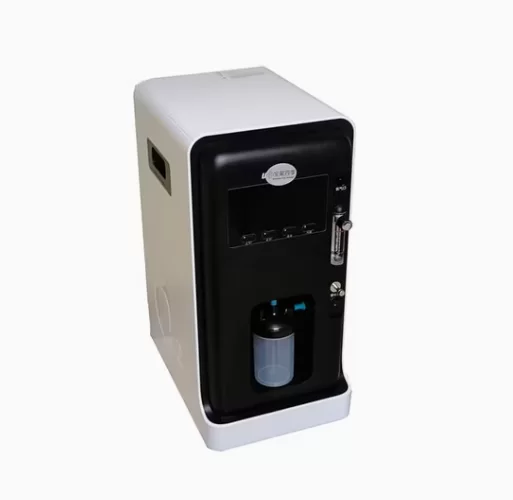
PSA plants come in various sizes—from compact units producing a few cubic meters per hour to massive installations capable of supporting entire hospitals or industrial parks. This scalability means they can adapt as demand fluctuates.
Compared to cryogenic plants requiring significant energy for cooling, PSA plants run on compressed air and consume less electricity, making them a greener choice (especially when paired with renewable power sources).
PSA systems use mostly mechanical components and adsorbent beds, which require periodic replacement but minimal specialist intervention. This makes them particularly attractive for remote or resource-limited areas.
Over the long term, generating oxygen in-house via PSA drastically cuts costs associated with cylinder transport, storage, and logistics—sometimes by as much as 50%. It’s a game changer financially.
| Specification | Typical Range/Value | Notes |
|---|---|---|
| Oxygen Purity | 90% - 95% | Medical & industrial use standards |
| Production Capacity | 1 - 1000+ Nm³/hr | From small clinics to large plants |
| Operating Pressure | 4 - 10 bar | Pressure affects purity and output |
| Power Consumption | 0.4 - 0.8 kWh/Nm³ | Depends on compressor efficiency |
| Footprint | Varies (compact models | Indoor/outdoor installation possible |
Globally, their footprint is unmistakable. In Africa and South Asia, PSA oxygen plants have become vital in rural hospitals lacking easy access to oxygen cylinders. For instance, after the 2015 Nepal earthquake, emergency PSA units helped save countless lives by providing oxygen on-site where supply lines were broken.
Meanwhile, in industrial hubs like China and Germany, PSA technology powers manufacturing lines for glass, metal cutting, and wastewater treatment—helping companies reduce costs and environmental impact.
Even the humanitarian sector leans heavily on PSA plants. NGOs employ portable PSA oxygen units in refugee camps and conflict zones, ensuring vulnerable populations receive essential respiratory support.
Regions with vast mining or oil drilling operations also lean on PSA systems for on-site oxygen production, avoiding the logistical nightmare and hazards linked with delivering cylinders to remote work sites.
| Vendor | Capacity Range (Nm³/hr) | Purity (%) | Price Range (USD) | Support & Warranty |
|---|---|---|---|---|
| OxyTech Solutions | 5-500 | 90-95 | 15,000 - 200,000 | 3-year warranty, 24/7 hotline |
| PureAir Systems | 10-1000+ | 92-95 | 25,000 - 350,000 | 5-year warranty, global service |
| GreenFlow Technologies | 1-100 | 90-93 | 8,000 - 80,000 | 2-year warranty, eco-focus |
There’s something comforting about having reliable oxygen on tap — a quiet assurance that, be it a hospital emergency or a critical industrial process, life and operations won’t grind to a halt.
From a financial standpoint, PSA plants reduce recurring costs, dependency on supply chains, and minimize storage risks. Socially, they enhance access to healthcare in underserved regions, literally saving lives.
Emotionally, there’s a dignity in self-sufficiency. For communities, it’s about empowerment—knowing they can maintain their oxygen needs regardless of global supply shocks. For industries, it’s innovation meeting responsibility by adopting greener, more efficient tech.
Frankly, the PSA technology isn’t resting on its laurels. New materials like carbon molecular sieves promise higher purity and efficiency. Advances in IoT and smart sensors integrate PSA plants into digital monitoring systems for better uptime and maintenance predictability.
And here’s the exciting bit — green energy is starting to power these plants. Solar-powered compressors for PSA units are no longer science fiction but practical realities, making these systems even more sustainable in off-grid settings.
Sure, PSA plants aren’t perfect. Their purity can’t quite match cryogenic oxygen, limiting some ultra-high purity applications. Initial capital costs might seem steep for small facilities, and adsorbent materials degrade over time, demanding replacement.
Innovative modular designs and leasing options are helping ease the financial burden, while improved adsorbents and automated controls reduce downtime and extend service life. It’s a balance between cost, performance, and application needs.
In a world that’s increasingly uncertain — pandemics, natural disasters, supply chain hiccups — investing in a psa oxygen gas plant feels less like a luxury and more like a necessity. The blend of technological elegance, practical benefits, and broad applicability makes these plants indispensable tools for healthcare, industry, and disaster response.
So if you’re wondering how to future-proof your oxygen supply, now’s the time to explore local PSA oxygen generation. Feel free to check out detailed specs and supplier info online, because in real terms, reliable oxygen isn’t just air—it’s hope.
References: