Hit enter to search or ESC to close
26 November 2025
If you’ve ever glanced at a steel plant from afar, chances are the complex hum and fierce fire at work went unnoticed. But hidden behind the scenes is a vital component that’s quietly revolutionizing the entire process: the oxygen plant. Especially these days, when the world demands stronger infrastructure, greener industry, and efficient resource use, understanding an oxygen plant in steel plant setups isn’t just a niche topic — it’s becoming a global priority.
Why? Because oxygen plants are central to making steel faster, cheaper, and cleaner. They feed oxygen to blast furnaces or basic oxygen furnaces (BOFs), drastically improving combustion and reducing impurities. From skyscrapers in Dubai to bridges over the Danube, the steel that holds it all together often started life with oxygen produced right where it’s needed. It’s a story that combines chemistry, engineering, and some serious industrial muscle.
Globally, steel is the backbone of industrial development. According to the World Steel Association, steel production topped 1.9 billion metric tons in 2022. Now, roughly 70% of steel is still produced using basic oxygen furnaces, which depend heavily on reliable oxygen plants. This means oxygen generation capacity is, practically speaking, the pulse of the steel industry.
But let’s zoom out — the steel industry is also under intense pressure. Environmental regulations are tightening under global accords like the Paris Agreement. Plants need to cut down emissions, use less coal, and generally “lean in” on sustainability. Automated and efficient oxygen plants help steel plants reduce energy consumption and carbon footprints thanks to precise oxygen delivery.
What’s more, COVID-19 highlighted supply chain vulnerabilities. Some plants that relied on external oxygen providers faced operational delays or price spikes. Hence, installing an in-house oxygen plant became a strategic move to safeguard production.
In plain terms, an oxygen plant in a steel plant is a facility (or a section thereof) that generates oxygen gas on-site, primarily for steelmaking processes. It uses technologies like Pressure Swing Adsorption (PSA) or cryogenic distillation to separate oxygen from atmospheric air, delivering pure or enriched oxygen directly to furnaces.
Think of it as a mini air refinery. By concentrating oxygen to over 90%, sometimes 99.5%, these plants drive the high-temperature combustion necessary for efficiently melting scrap and raw iron. This oxygen isn’t just any gas — it’s the active agent that helps remove carbon impurities and refine the metal.
Beyond steel, oxygen plants play roles in healthcare, water treatment, and glass manufacturing, but their connection to steel remains foundational. Modern steelmaking simply wouldn’t be viable without reliable oxygen supply.
Steelmaking demands oxygen with high purity — typically 90-99.5%. Achieving precise purity and flow rates ensures consistent furnace temperatures and chemical reactions. Many engineers say maintaining stable oxygen parameters is like tuning a giant musical instrument; minor imbalances can throw off the entire process.
Steel plants vary from mid-sized operations to massive complexes producing millions of tons annually. Oxygen plants must scale accordingly, with production capacity starting from a few thousand Nm³/hr to over 100,000 Nm³/hr in mega-plants.
Oxygen generation is energy-intensive. Advances like cryogenic plants increasingly incorporate heat recovery systems and automation to minimize consumption — a vital piece when costs and emissions come into play.
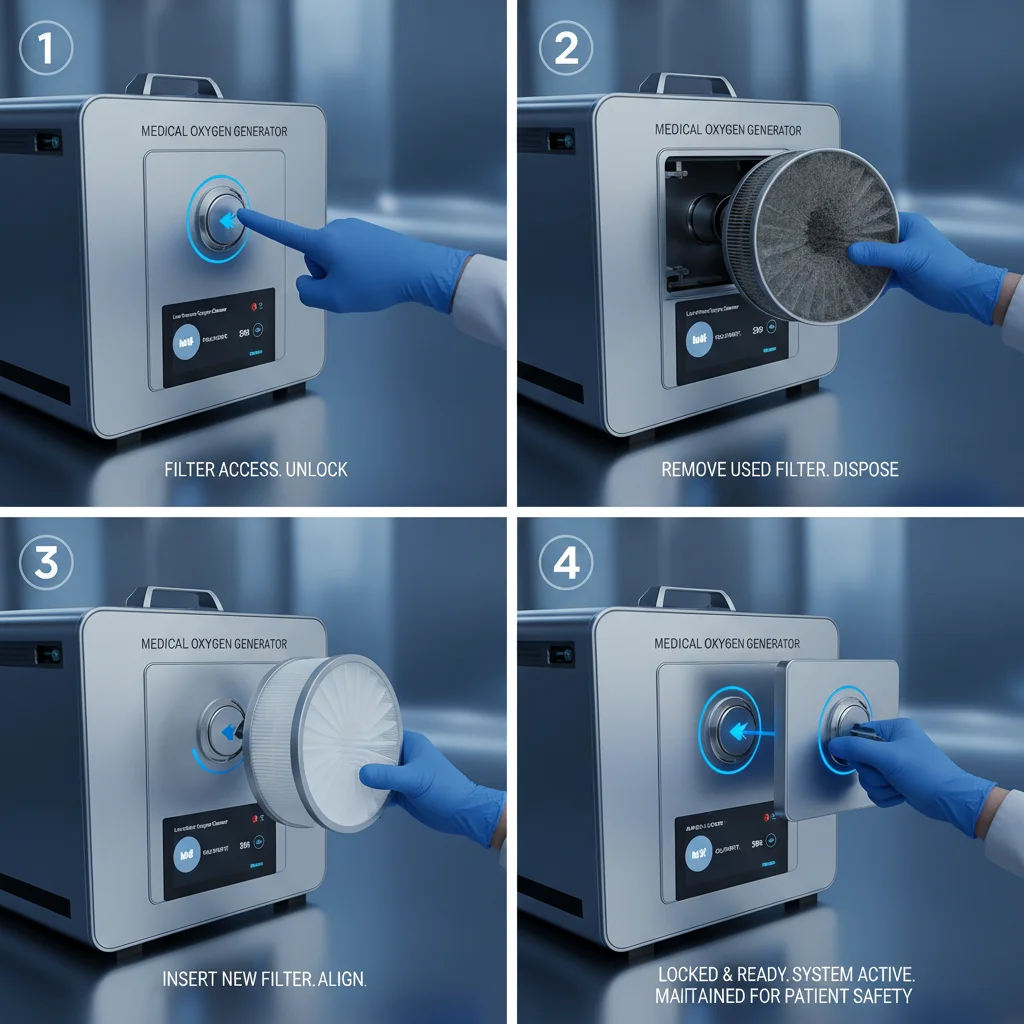
In modern plants, automation governs purity, flow, and maintenance schedules. Also, clean, oil-free compressed air is mandatory to prevent contamination, requiring robust air filtration before oxygen separation.
Oxygen, when concentrated, is a fire hazard. Equipment designs must integrate flame arrestors, pressure relief valves, and monitoring systems to minimize risks. Operational training is a must.
| Specification | Typical Value | Notes |
|---|---|---|
| Oxygen Purity | 90% - 99.5% | Depends on plant type (PSA or cryogenic) |
| Production Capacity | 5,000 - 100,000 Nm³/hr | Tailored to plant size |
| Power Consumption | 350 - 550 kWh/Ton O2 | Varies by technology and efficiency |
| Pressure Range | 5 - 7 Bar (g) | Necessary for furnace input |
| Operating Temperature | Ambient (PSA) - Cryogenic (-183°C) | Depends on production method |
The steel industry is the textbook example, where oxygen plants feed the basic oxygen furnace, converting molten iron into steel efficiently. But it’s not just Asia or Europe; Africa’s growing infrastructure projects and South America’s mining operations fuel oxygen plant adoption.
Oddly enough, oxygen plants in steel plants also play a surprisingly indirect role in healthcare. During emergencies or pandemics, excess oxygen supply infrastructure has been redirected to hospitals, showing the dual-use potential. In early 2020, some steel plants temporarily ramped up oxygen outputs that helped cover critical respiratory care shortages.
Furthermore, steel plants located in remote industrial zones, sometimes thousands of kilometers from major cities, rely on integrated oxygen plants to avoid logistical challenges and costs tied to transporting high-purity oxygen cylinders.
Beyond just raw production, oxygen plants bring a handful of enduring benefits. Cost savings loom large: in-house oxygen plants reduce dependency on third-party suppliers, controlling pricing fluctuations. You also see reduced transport emissions and less risk of interrupted supply chains.
On the social and environmental side, cleaner combustion means lower NOx emissions and fewer particulates released. Trust me, many plant managers say it feels good to know they’re “doing their bit” by deploying oxygen plants that enable greener steelmaking.
And there’s the innovation angle. Automated oxygen plants offer real-time monitoring, predictive maintenance, and integration into wider digital control rooms—a glimpse of Industry 4.0 in practice. A reliable oxygen supply means fewer shutdowns, better safety, and ultimately happier employees.
Looking ahead, several trends will shape how oxygen plants serve steel plants. Cryogenic oxygen production continues to get more energy-efficient, integrating renewable energy to cool gases. PSA systems are becoming faster and capable of higher purity levels with new adsorbent materials.
Furthermore, digital twins and AI-powered diagnostics monitor plant health to anticipate service needs before breakdowns. Sustainability is also driving R&D for oxygen plants with carbon capture integration — aiming to reduce the industry’s overall footprint.
One final thought: as hydrogen-based steelmaking gains traction, oxygen plants will remain relevant, potentially shifting use from combustion to supporting new chemical processes, though that’s possibly 10-15 years down the line.
Oxygen plants face hurdles — expensive capital investment, energy consumption, and maintenance complexity. Some older plants lag behind in automation and are prone to downtime.
Industry insiders recommend phased upgrades to newer technologies, regular staff training, and leveraging service contracts with vendors that offer 24/7 support and remote monitoring, reducing unplanned outages. Innovations like modular oxygen plants help smaller steelmakers adopt capacity as needed, lowering upfront costs without losing quality.
| Vendor | Technology | Capacity Range (Nm³/hr) | Energy Efficiency (kWh/Ton O₂) | Notable Clients |
|---|---|---|---|---|
| Air Liquide | Cryogenic & PSA | 5,000–100,000 | 350–400 | Tata Steel, ArcelorMittal |
| Linde | Cryogenic | 10,000–120,000 | 360–410 | POSCO, Nippon Steel |
| Air Products | Cryogenic & PSA | 4,000–90,000 | 340–390 | Steel Authority of India, Voestalpine |
| Messer Group | PSA | 1,000–30,000 | 400–450 | Various mid-sized steel makers |
In the grand scheme, an oxygen plant in steel plant operations feels like an unsung hero — the quiet enabler of an industry shaping our cities and infrastructure worldwide. Investing in advanced oxygen generation is a step towards resilience, sustainability, and innovation. If you’re working in steel manufacturing, or simply fascinated by industrial chemistry, understanding this intersection helps untangle why steel production keeps evolving sustainably.
Curious about adopting or upgrading your oxygen supply? Check out oxygen plant in steel plant solutions tailored to your scale and goals. It’s a little thing that makes a big difference.