Hit enter to search or ESC to close
10 February 2026
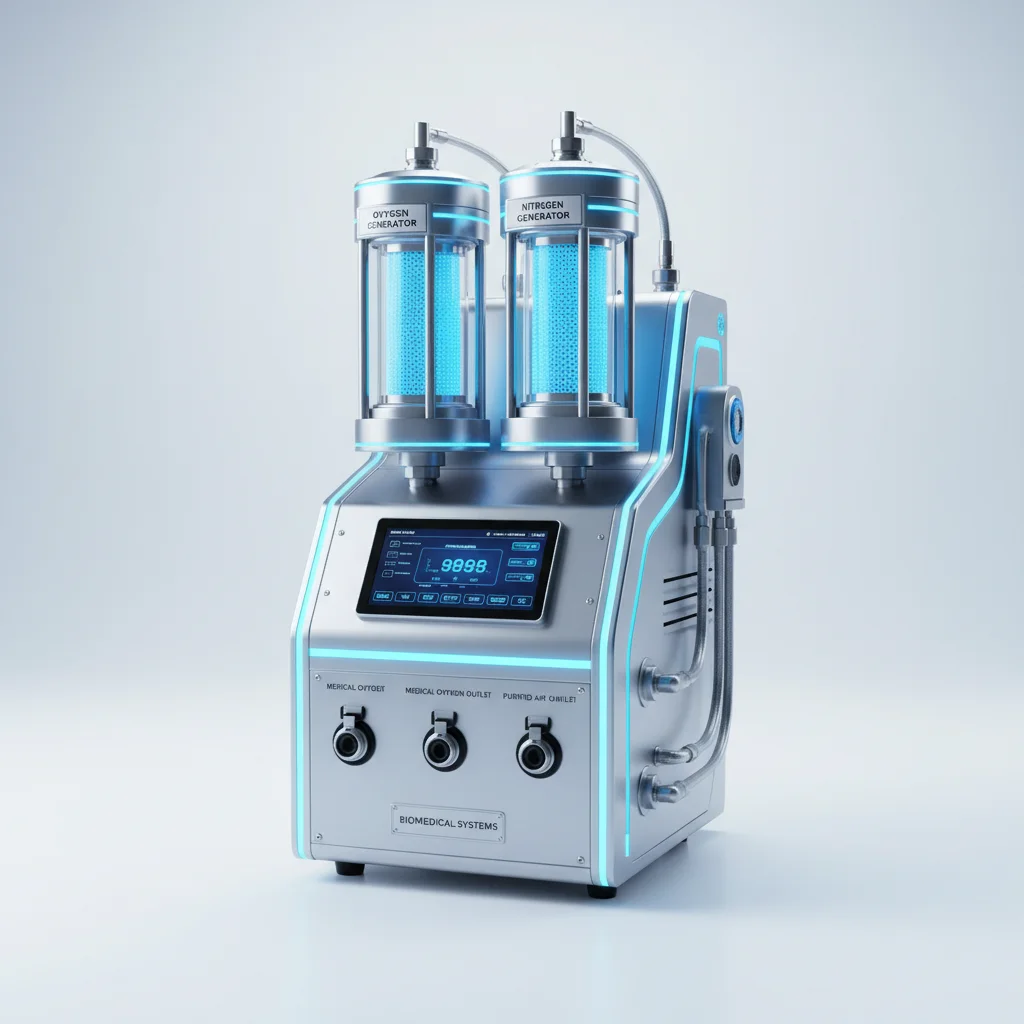
Maintaining aircraft requires a consistent and reliable supply of nitrogen for various applications, including tire inflation, purging systems, and pre-flight testing. Investing in an aircraft nitrogen generation system offers a cost-effective and convenient alternative to relying on expensive and logistically challenging compressed gas cylinders. This article will explore the benefits, technologies, and key considerations when choosing a nitrogen generator for your aviation needs. Reducing your reliance on external suppliers and ensuring a continuous nitrogen supply is crucial for efficient aircraft maintenance operations.
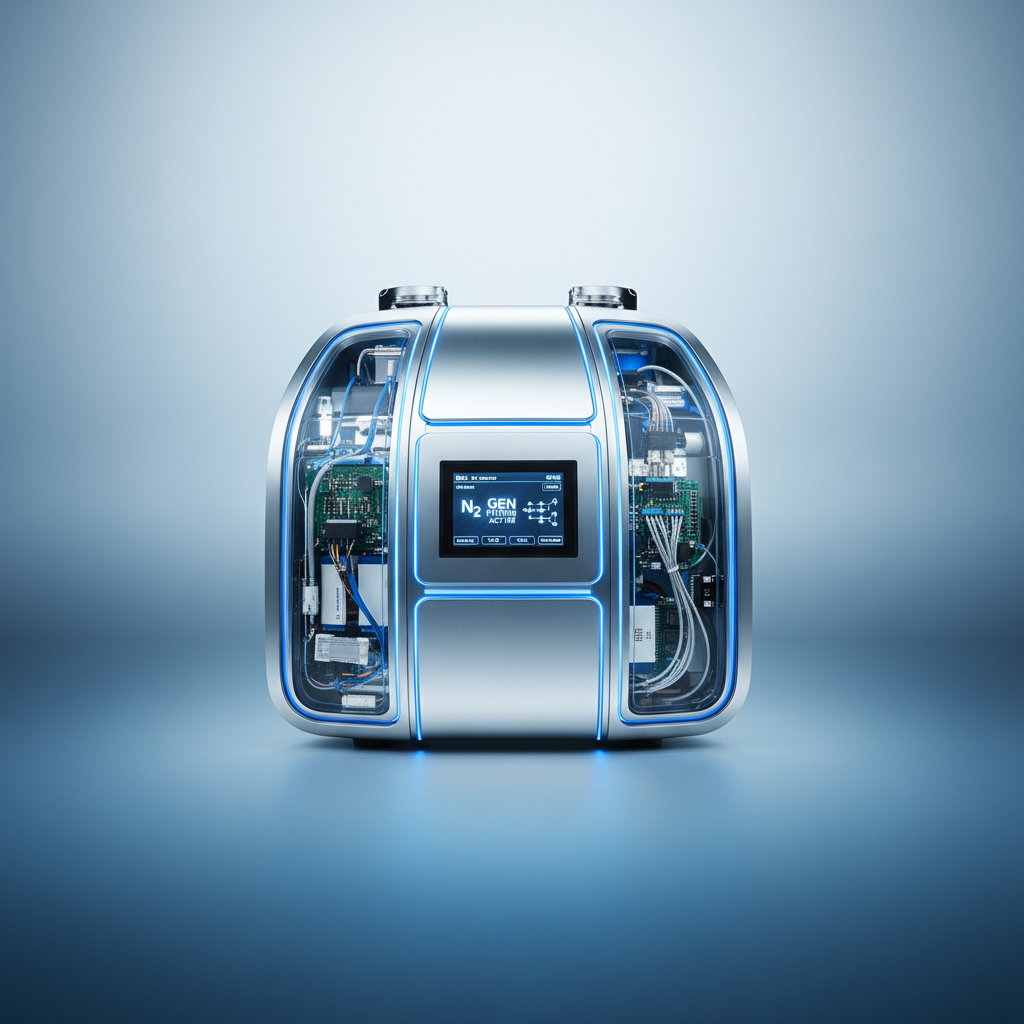
Traditional nitrogen supply methods, such as liquid nitrogen or compressed gas cylinders, come with significant drawbacks, including high costs, safety concerns related to handling and storage, and logistical complexities. An on-site nitrogen generation system eliminates these problems by producing nitrogen directly from compressed air. This results in lower operating costs, enhanced safety, and greater control over your nitrogen supply. Furthermore, it reduces your carbon footprint by minimizing transportation needs and promoting sustainable practices. The convenience and reliability of on-demand nitrogen are invaluable for maintaining efficient aircraft turnaround times.
Key Benefits: Reduced costs, improved safety, enhanced reliability, environmental sustainability, and greater control over your nitrogen supply.
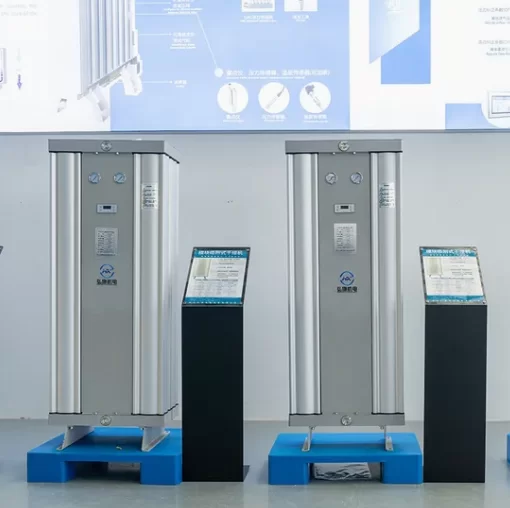
The most common technology used in aircraft nitrogen generation systems is Pressure Swing Adsorption (PSA). PSA systems utilize a specialized adsorbent material, typically carbon molecular sieves (CMS), to selectively separate nitrogen from compressed air. The process involves pressurizing air through a vessel containing the CMS, which traps oxygen molecules while allowing nitrogen to pass through. By alternating the pressure in multiple vessels, a continuous stream of high-purity nitrogen is produced. Other technologies exist, but PSA remains the most widely adopted due to its efficiency, reliability, and cost-effectiveness. Exploring the nuances of each technology ensures you choose the best fit for your operations.
PSA Technology Benefits:
• High nitrogen purity (up to 99.999%)
• Low operating costs
• Reliable and automated operation
• Minimal maintenance requirements
When selecting an aircraft nitrogen generation system, several key specifications must be considered. These include nitrogen flow rate (measured in cubic feet per minute or CFM), nitrogen purity (expressed as a percentage), inlet air pressure requirements, power consumption, and physical dimensions. It’s crucial to accurately assess your nitrogen demands to choose a system that meets your current and future needs. Also, consider the ambient temperature and humidity of your operating environment, as these factors can affect system performance. Proper sizing and environmental assessment are critical for optimal efficiency.
A direct comparison reveals the clear advantages of on-site nitrogen generation over traditional cylinder-based systems. Cylinders require regular refills, incur transportation costs, and pose safety risks due to high pressure. On-site generators offer a continuous, reliable supply of nitrogen with minimal ongoing expenses. While the initial investment for a generator is higher, the long-term cost savings and operational benefits quickly outweigh the upfront expenditure. Consider the total cost of ownership, including gas costs, delivery fees, and labor for cylinder handling, to make an informed decision.
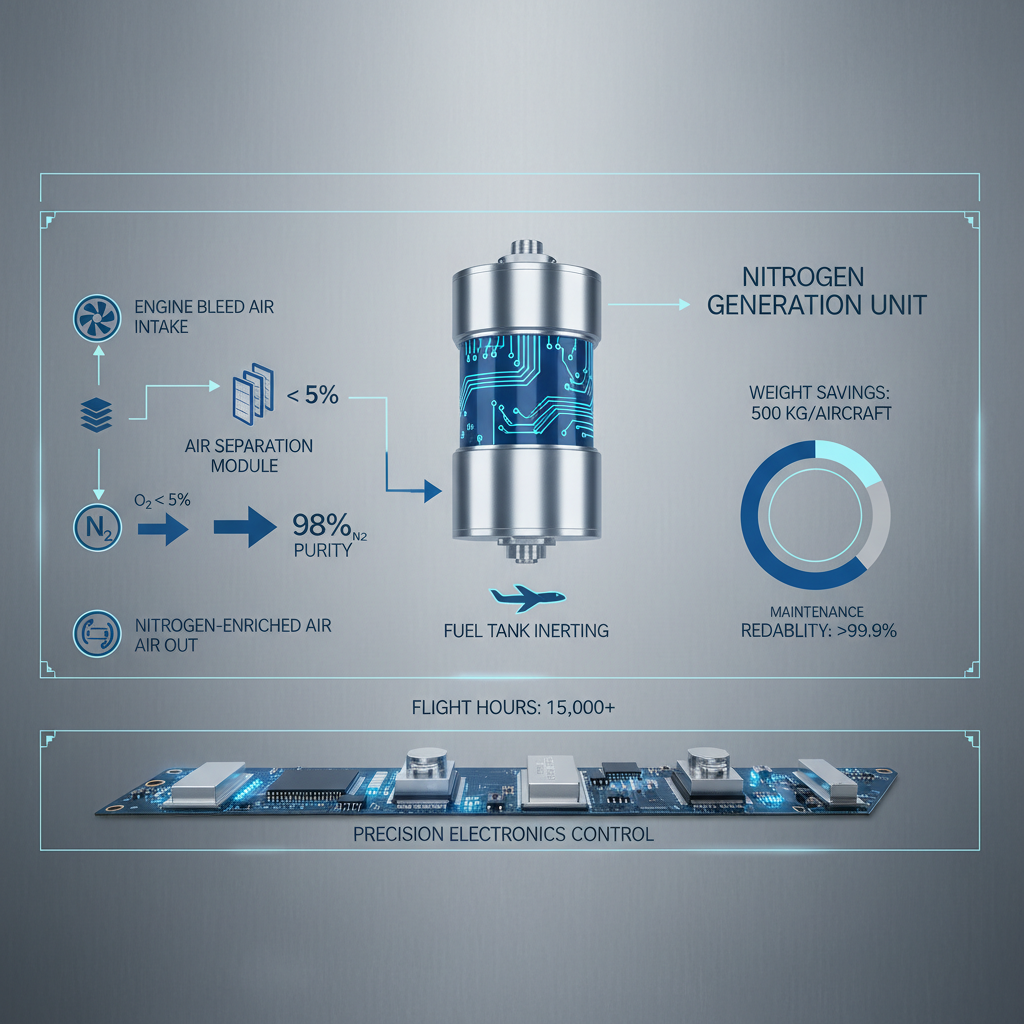
Selecting a reputable supplier is paramount when investing in an aircraft nitrogen generation system. Look for a company with a proven track record, experienced engineers, and comprehensive after-sales support. Ensure the supplier offers customized solutions to meet your specific requirements and provides thorough training for your maintenance personnel. Store Oxygen specializes in providing high-quality nitrogen generation systems for the aviation industry, offering expert guidance and reliable service.
Investing in an aircraft nitrogen generation system is a strategic decision that can significantly benefit your aviation operations. From reduced costs and enhanced safety to greater reliability and environmental sustainability, the advantages are compelling. Contact Store Oxygen today to discuss your nitrogen requirements and discover the optimal solution for your needs.
Aircraft nitrogen generation systems, particularly those employing PSA technology, require minimal maintenance. Routine tasks include periodic air filter replacement, condensate drain cleaning, and inspection of the adsorbent material. Most systems are equipped with automated self-diagnostic features to alert you to any potential issues. A preventative maintenance schedule, typically performed annually, ensures optimal performance and extends the lifespan of the system. Our service contracts offer comprehensive maintenance support, minimizing downtime and maximizing system reliability.
The payback period for a nitrogen generation system varies depending on your nitrogen consumption rate, cylinder gas costs, and labor expenses. However, most aviation facilities experience a payback period of 1 to 3 years. The significant reduction in gas costs, elimination of delivery fees, and decreased labor requirements contribute to rapid ROI. We offer a free cost analysis to help you determine the potential savings and payback period for your specific operation.
Yes, modern nitrogen generation systems are designed with a compact footprint to accommodate limited space. We offer a range of system sizes and configurations to suit your facility's layout. Our engineers can assess your space constraints and recommend the optimal system configuration for your needs. We also provide remote monitoring and control capabilities, minimizing the need for dedicated on-site personnel.
Nitrogen generation systems produce a moderate level of noise, comparable to a standard air compressor. However, our systems are equipped with noise reduction features, such as sound dampening enclosures, to minimize noise pollution. Noise levels typically range from 60-75 decibels. Proper installation and placement can further reduce noise levels in the surrounding area.