Hit enter to search or ESC to close
3 December 2025
Nitrogen might sound a little dull at first—just one of those inert gases filling the air—and yet it's quietly transforming industries across the globe. When we talk about a nitrogen generator industrial, we're really diving into a technology that shapes how factories operate, how food stays fresh, and even how emergency medical facilities supply breathable air. Understanding this fascinating realm isn’t only a niche fact for techies but a window into energy efficiency, sustainability, and industrial safety worldwide.
Globally, the demand for nitrogen is growing steadily. According to the International Energy Agency, nitrogen-generating equipment has seen a surge in adoption, especially in regions with rapidly expanding manufacturing sectors like Southeast Asia and Latin America. Why? Because nitrogen generators industrial setups replace the cumbersome logistics of bulk nitrogen gas delivery with an on-site, more sustainable, continuous supply. For industries ranging from electronics manufacturing to food packaging—and even explosive handling—this means cost savings, environmental benefits, and greater operational independence. But supply chains for nitrogen gas cylinders can be unreliable, particularly in remote areas, so this technology fills a critical gap.
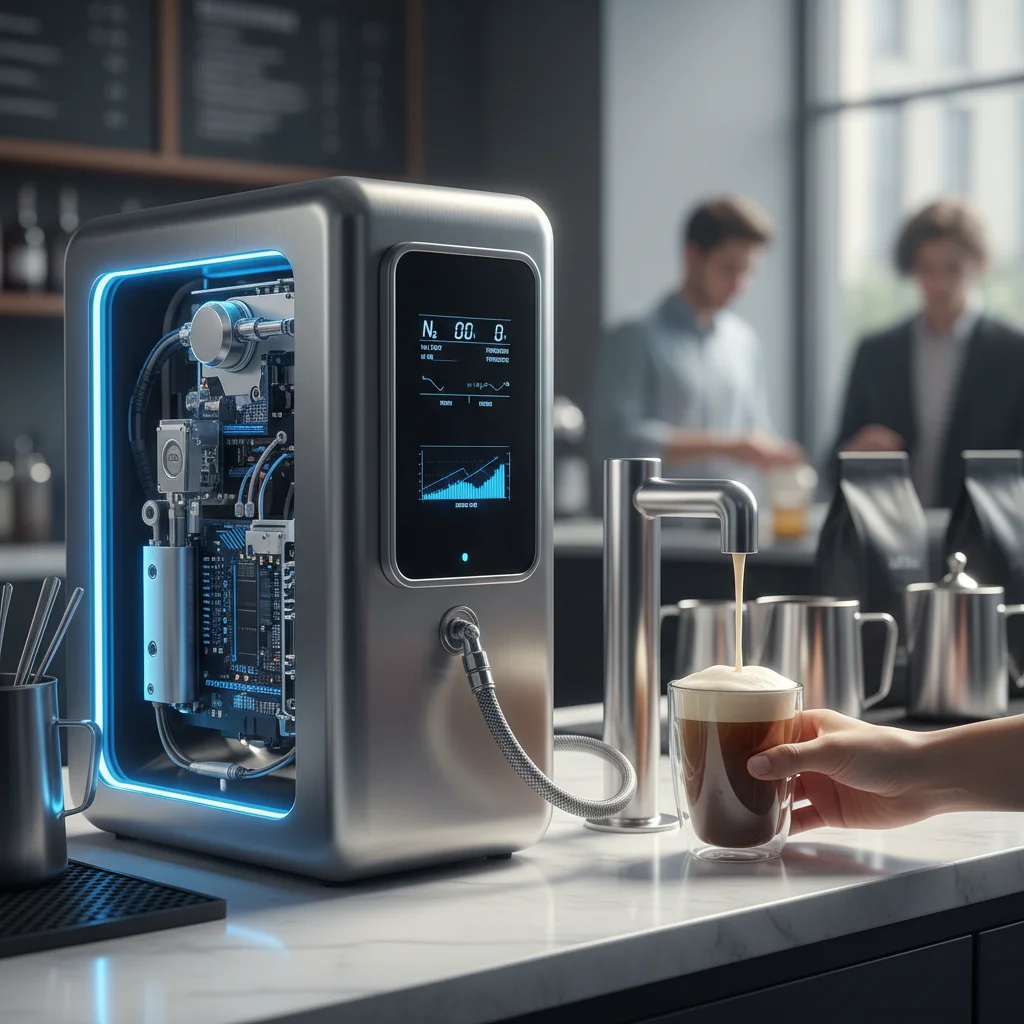
Simply put, a nitrogen generator industrial is a device or system designed to separate nitrogen gas from other components in the air, typically oxygen and argon, to provide a high-purity nitrogen stream right on-site. Unlike traditional methods that rely on liquid nitrogen or heavy gas cylinders, these generators often use pressure swing adsorption or membrane separation technology. This means no more waiting for deliveries or worrying about cylinder storage hazards. They’re essential in modern industry for maintaining controlled atmospheres, inerting fuel tanks, and even in electronics manufacturing, where clean, dry nitrogen protects delicate components.
Most nitrogen generators provide between 95% and 99.999% nitrogen purity, depending on industrial needs. Whether it’s food packaging requiring a protective atmosphere or chemical processes that need ultra-high purity, the generator’s ability to maintain stable purity is crucial.
Industrial environments can be harsh. These generators need sturdy designs that resist dust, vibration, and temperature swings. Maintenance intervals vary but most systems offer modular parts replacement to keep downtime minimal.
From small-scale laboratories to massive manufacturing plants, adaptability is key. Units range from portable, low-capacity machines to huge centralized systems that feed entire factories.
Because nitrogen generators run continuously, energy consumption is a primary cost driver. Advances in adsorbent materials and membrane tech keep operational costs down and sustainability figures up.
Modern nitrogen generators come with sophisticated controls, allowing remote monitoring, automated purity adjustment, and predictive maintenance notifications — a seller’s dream for operational peace of mind.
| Feature | Specification |
|---|---|
| Purity Range | 95% - 99.999% |
| Production Capacity | 10 Nm³/hr to 1000 Nm³/hr |
| Operating Pressure | 4–10 bar (60–150 psi) |
| Power Consumption | 0.15 - 0.3 kWh/Nm³ |
| Weight | 300 kg - 2000 kg |
Oddly enough, nitrogen generation tech is everywhere—from the giant industrial zones in China and India to new-age food processors in Europe and agro-industries in Africa. Take refrigerated warehouses in Canada: a nitrogen atmosphere prolongs fresh produce shelf life by reducing oxidation. Or consider offshore oil platforms, where on-site nitrogen generators minimize explosive risks.
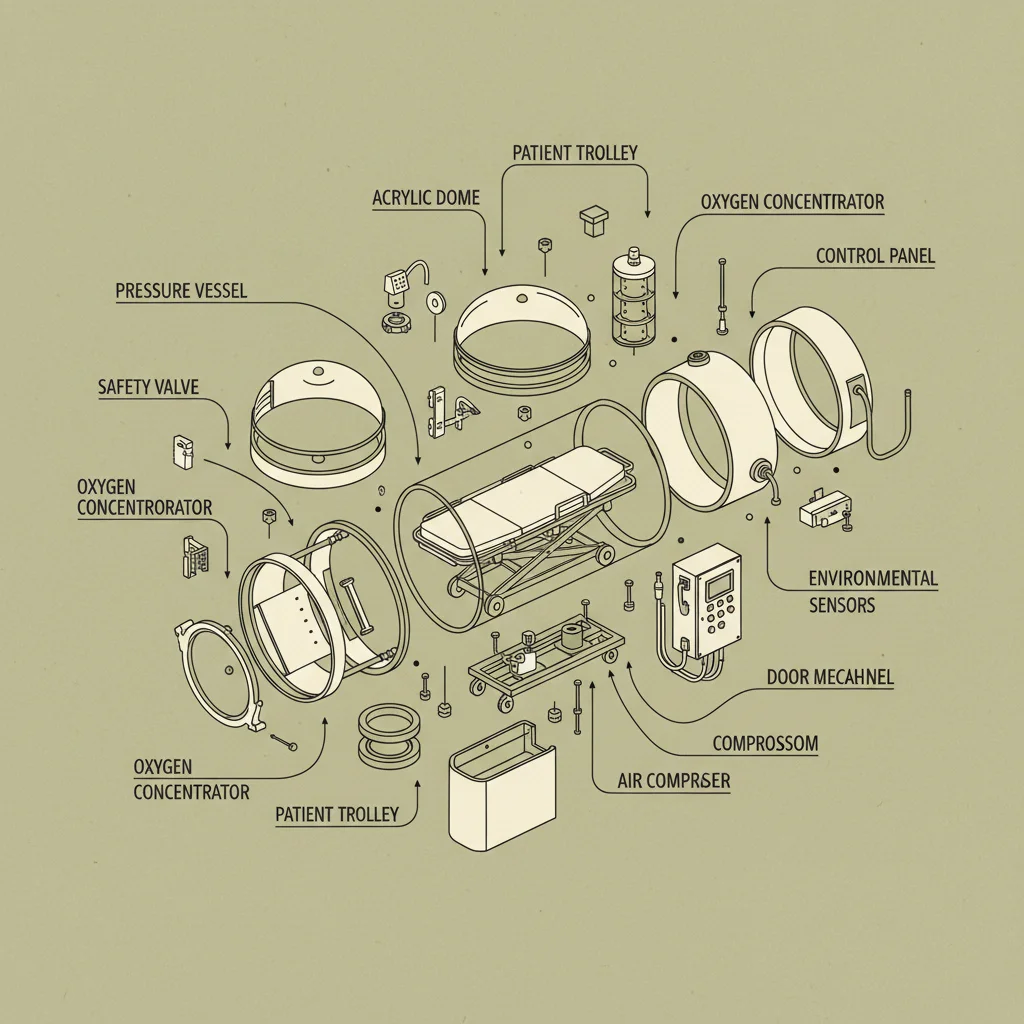
In humanitarian relief missions, such as post-natural disasters in South Asia, mobile nitrogen generators have enabled air ambulance services and portable hospitals to maintain oxygen-rich environments safely. The ability to produce nitrogen on-demand is a real game-changer, reducing reliance on fragile supply lines.
| Brand | Purity (%) | Capacity (Nm³/hr) | Energy Usage (kWh/Nm³) | Key Feature |
|---|---|---|---|---|
| AirSep | 99.99 | 50 - 500 | 0.20 | Advanced PSA tech |
| Parker Hannifin | 95 - 99.999 | 10 - 1000 | 0.18 | Customizable modular units |
| Generon | 99.5 | 20 - 600 | 0.25 | Compact footprint |
The most obvious benefit? Cost savings. On-site nitrogen production eliminates cylinder rentals and delivery logistics, cutting long-term operational expenses. What’s less obvious is the environmental impact: less trucking means fewer emissions, while energy-efficient generators reduce the carbon footprint compared to traditional nitrogen sourcing.
Socially, it instills safety and trust. Industries with flammable materials reduce the risk of catastrophic accidents by maintaining an inert atmosphere. Food producers deliver fresher goods, and hospitals ensure consistent gas supply to critical care equipment. Innovation here meets tangible human benefits.
Frankly, the push for greener manufacturing is accelerating nitrogen generator development. Hybrid systems combining membrane and PSA tech aim to optimize energy efficiency further. Plus, IoT-enabled analytics now allow predictive maintenance and remote management, reducing unscheduled downtimes.
Materials science also enters the scene: novel adsorbent materials with higher selectivity and durability are shaping the next-gen machines. Policies encouraging lower emissions worldwide (like ISO 14001) incentivize industries to retrofit nitrogen generation rather than rely on traditional gas supply chains.
Of course, no tech is perfect. Common challenges include upfront costs, especially for small enterprises, and the technical know-how needed for proper installation and maintenance. In some cases, inconsistent air quality or power supply can affect generator performance.
Many manufacturers now offer turnkey solutions and leasing options to mitigate initial expenses. Training programs and remote diagnostics help operators overcome technical barriers. Plus, pairing with renewable energy sources tackles the sustainability equation fully.
To sum it up, nitrogen generator industrial technology quietly underpins safer, more efficient, and more sustainable industrial and humanitarian operations worldwide. If your operation depends on nitrogen, either for safety or process integrity, understanding and investing in on-site generation could be a game changer.
Curious to explore options tailored to your needs? Visit our website: https://www.storeoxygen.com for detailed product info and expert guidance.
Takeaway: Nitrogen generators industrial are no longer a luxury—they're smart essential tools for today's global industries.