Hit enter to search or ESC to close
30 November 2025
When you think about the modern hospital room, the medical bed head unit is often overlooked — yet it’s absolutely central. This compact system neatly organizes all the necessary utilities — oxygen, vacuum, medical gases, electrical outlets, lighting, and sometimes communication ports — right where the patient rests. Globally, with healthcare infrastructure stretched thin and constant pressure to improve patient safety and efficiency, understanding how medical bed head units function and their benefits becomes crucial. They’re not just fixtures; they are lifelines, quite literally. Hospitals from Tokyo to Timbuktu depend on these units to coordinate vital care seamlessly.
Mini takeaway: The medical bed head unit is a cornerstone of effective patient care and hospital safety worldwide, making it an unsung hero of healthcare technology.
Healthcare systems are evolving rapidly worldwide. According to the World Health Organization, the global demand for acute care beds and critical equipment is rising faster than ever, fueled by aging populations and the surge in chronic illnesses. The WHO factsheet notes how medical infrastructure gaps in low-income regions are a persistent challenge. Problems like delayed access to essential gases or poorly managed electrical supply at the patient bedside have serious consequences. That’s where medical bed head units come in, offering centralized, safe, and reliable access to the tools clinicians need at a tap or switch.
Even in high-income nations, hospitals seek to upgrade their wards with modular, scalable models of these units to reduce downtime during renovations and improve workflow efficiency. Oddly enough, these compact wall units quietly solve a host of issues from preventing infections to cutting equipment clutter.
Mini takeaway: As global healthcare demands grow, medical bed head units are critical to bridging the gap between patient safety and efficient hospital services.
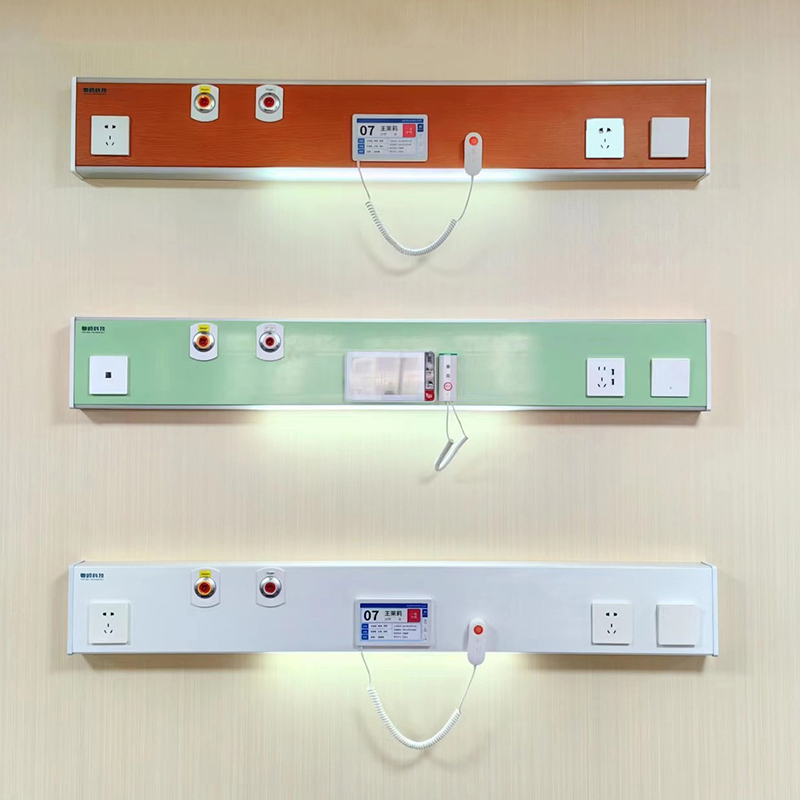
So, what exactly is a medical bed head unit? In simplest terms, it’s a specialized wall-mounted panel or rail system installed at the patient’s head area on the hospital bed. It centrally houses several essential services, including:
This all-in-one arrangement connects patients to the hospital’s infrastructure safely and ergonomically, freeing nurses from scrambling for wall outlets or hoses. Modern bed head units are increasingly designed to accommodate diverse patient needs, adapting to different wards — from intensive care to maternity — reflecting the evolving nature of healthcare delivery.
Check out this advanced medical bed head unit for a great example of modularity and ease of installation.
Mini takeaway: Essentially, a medical bed head unit is the hospital room’s nervous system hub, enabling quick, safe access to vital patient support functions.
Given the intense cleaning regimes and need to prevent infections, medical bed head units are made with antimicrobial materials — often stainless steel or specialized polymers — that resist corrosion and can endure harsh disinfectants. It pays to invest here, because durability keeps wards running smoothly for years.
Healthcare settings are far from static. As patient numbers fluctuate or care protocols evolve, the ability to add or modify outlets without rebuilding walls is invaluable. Many units use modular inserts and configurable rails so hospitals can adapt without major overhauls.
International standards (like ISO 7396-1 for medical gas pipeline systems) dictate safety measures — pressure regulation, color-coding, alarm systems — integrated right into the unit. This ensures user protection and prevents costly errors.
While upfront costs vary, the ROI often comes from lower maintenance, fewer equipment failures, and faster room turnovers. Beyond finances, the human cost avoidance when equipment is reliably available cannot be overstated.
Compatibility with hospital IT, nurse call systems, and energy management networks is becoming standard, raising the overall intelligence of modern hospitals and smoothing workflows.
Mini takeaway: In practice, strength, flexibility, and safety are the pillars of any good medical bed head unit design.
Medical bed head units are everywhere hospitals exist, but their design and deployment vary by region and clinic specialization:
For example, post-hurricane rescue efforts in the Caribbean frequently rely on modular setups for swift scalability — ensuring that critical oxygen and vacuum are always at hand. Meanwhile, European hospitals often lead innovations in integrating green energy into these units, reducing the carbon footprint of critical care environments.
Mini takeaway: No matter where or how they’re used, medical bed head units are crucial facilitators of timely, effective, and safe patient care worldwide.
Hospitals adopting modern, standardized bed head units often report improved patient outcomes directly linked to better infrastructure support. Here’s why:
Emotionally, anyone who’s witnessed a healthcare emergency knows that seconds saved connecting oxygen or suction can mean life or death. So these units feel less like furniture and more like trusted teammates.
| Feature | Specification | Notes |
|---|---|---|
| Length | 1.2 meters (typical) | Customizable per room layout |
| Material | Stainless steel and antimicrobial ABS plastic | Ensures hygiene and durability |
| Gas Outlets | O2, medical air, vacuum (3-6 ports) | Color-coded per ISO standards |
| Electrical Sockets | 4-8 medical-grade outlets (isolated & grounded) | Supports multiple devices |
| Lighting | Integrated LED task lighting with dimmer | Reduces eye strain, energy efficient |
| Communication | Data and nurse call ports | Optional but recommended |
| Vendor | Main Features | Price Range | Lead Time | Global Availability |
|---|---|---|---|---|
| OxyMed Systems | Modular, integrated electronics, green energy options | $$$ | 4-6 weeks | North America, Europe, Asia |
| MediHead Units Inc. | Cost-effective, simple design, easy installation | $-$$ | 2-3 weeks | Global, including Africa & Latin America |
| CareTech Solutions | High-end customization, full IoT integration | $$$$ | 6-8 weeks | Europe, North America, Middle East |
Healthcare tech accelerates daily, and bed head units are not staying behind. Emerging trends include:
These developments promise to make medical bed head units not only more efficient but also friendlier to planetary health — which is essential, frankly, given hospitals’ hefty carbon footprints.
Despite all benefits, there are obstacles:
Innovative vendors now offer modular retrofit kits and remote support for maintenance, which helps small or rural hospitals keep pace. Training programs using augmented reality (AR) are also emerging, easing user adoption.
A medical bed head unit centralizes and regulates critical utilities like oxygen and suction, reducing the risk of leaks or accidental disconnections. Built-in safety standards and alarms further mitigate hazards, ensuring the environment is secure for both patients and staff.
Absolutely. Most units are modular and come with configurable options for gas outlets, electrical sockets, and communication. ICU beds require more comprehensive setups compared to general wards. Vendors usually tailor solutions on request.
Installation depends on the building but many manufacturers now offer retrofit kits designed to fit with minimal construction. However, professional installation is always recommended to adhere to safety codes and maintain system integrity.
Regular inspections of gas outlets, vacuum systems, and electrical safety checks are mandatory. Cleaning with appropriate disinfectants is necessary to maintain hygiene. Many models include self-diagnostic features to alert maintenance teams proactively.
Yes! Some newer units use durable materials, energy-efficient lighting, and support green energy sources like solar. Leading manufacturers are focusing on reducing the environmental footprint of hospital infrastructure.
Medical bed head units might sound like a niche technical topic, but their impact ripples across the entire healthcare ecosystem. Robust design and thoughtful integration translate into safer, more efficient care and better patient experiences. Whether it’s a high-tech urban hospital or a makeshift emergency field center, a dependable medical bed head unit makes a shaky situation steadier.
If you’re involved in hospital planning or upgrades, this is not an area to shortcut. For the best in modular, durable, and medically compliant bed head units, visit our website and discover solutions tailored to your needs.
Thanks for sticking with me — it feels like one of those topics that’s deceptively simple but surprisingly complex once you get under the hood. Here’s to safer, smarter patient care everywhere.