Hit enter to search or ESC to close
29 November 2025
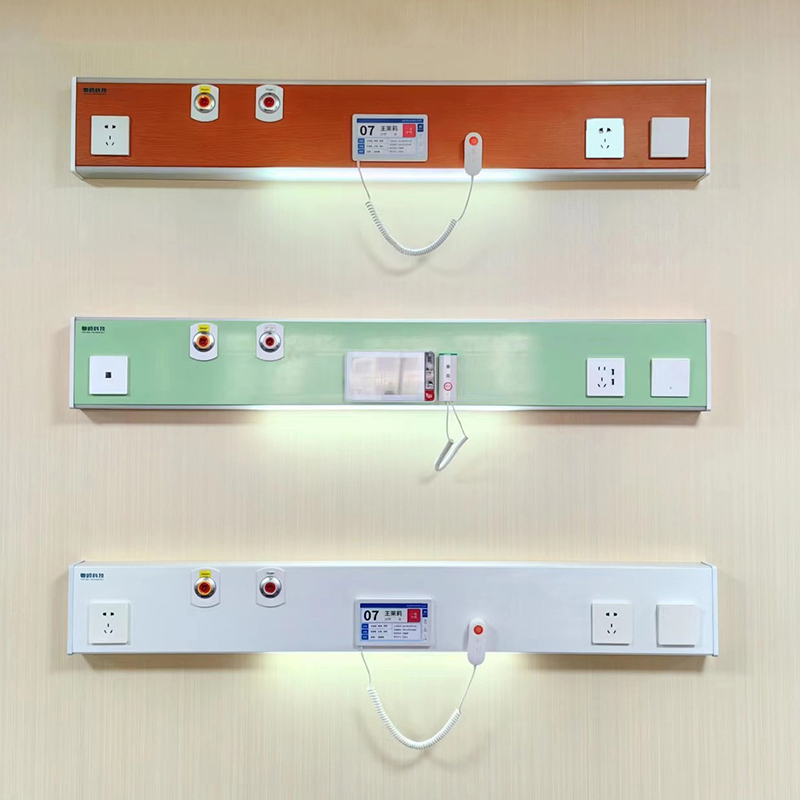
We've all seen those sleek panels behind hospital beds, but what’s their deal? Simply put, a bed head panel in hospital is a multifunctional fixture mounted above or behind the patient’s bed. It consolidates power outlets, gas ports, lighting, data connections, and often nurse call buttons – all within arm’s reach. This isn't just about convenience; it’s a safety and efficiency lifeline in settings where every second and every bit of equipment matters.
Globally, healthcare facilities face ongoing pressure to improve patient outcomes while managing costs and space constraints. The bed head panel subtly symbolizes this effort, combining functionality and safety in one neat package. Understanding its components and impact helps hospitals plan smarter, care better, and innovate faster — a win for patients and providers alike.
Hospital infrastructure is undergoing a quiet revolution. According to the World Health Organization, by 2050, global healthcare demand will nearly double with aging populations, urbanization, and frequent health emergencies. Meanwhile, standards like ISO 13485 emphasize strict medical device integration, and healthcare design must adhere to stringent safety and electrical codes.
Bed head panels answer a crucial challenge: how to deliver complex medical utilities safely and compactly, especially in crowded or emergency care settings. Talk about packing a punch — these panels help reduce wiring clutter, improve infection control risks, and enable faster bed turnover. As the UN highlights in its health systems report, managing hospital resources effectively is vital for equitable care worldwide.
So what exactly do we mean by a bed head panel in hospital? Think of it as an integrated unit installed at the patient’s bedside — providing all the essential medical gases (oxygen, vacuum, air), electrical outlets for equipment, lighting controls, and often network ports for data and alarms. This means a nurse can connect a ventilator, monitor, suction device, and call system right at the bedside without messy cables trailing across the floor.
In modern healthcare, efficiency and safety merge here. These panels reflect advances in modular design allowing rapid installation and easy maintenance — essential factors in constantly busy hospital wards. Oddly enough, such a simple piece can tell you a lot about how much a hospital values patient-centered design.
This is where oxygen, medical air, and vacuum ports come into play. Each gas has its own safety standard — color-coded and keyed to prevent errors. These outlets integrate directly into hospital pipeline systems, ensuring consistent pressure and quality.
Multiple duplex outlets support essential devices like monitors, pumps, and lighting. Many panels offer emergency power circuits — meaning critical devices stay on even during outages. Some advanced models include USB ports for mobile device charging.
Lighting near the bedside isn’t just about aesthetics; it supports clinical assessments and patient comfort. Panels often have integrated LED reading lights and night illumination, controllable independently.
Connectivity is rising in hospitals. Integration of network jacks and nurse call buttons enables swift communication. With digital transformation, these may include wireless or IoT modules.
Materials must withstand intensive cleaning with hospital-grade disinfectants. Stainless steel or antimicrobial coated surfaces dominate, contributing to infection control.
Each bed head panel element isn’t just an add-on — it’s a carefully engineered component designed to enhance safety, speed, and comfort in a demanding environment.
From New York City’s bustling hospital towers to remote clinics in sub-Saharan Africa, bed head panels have become a standard fixture. Bed head panels in hospital are especially crucial in:
For example, Médecins Sans Frontières’ field hospitals often employ modular panels that plug into rapidly assembled units, allowing critical care even when power grids are fragile.
The advantages go beyond tidy wiring:
Healthcare providers often remark on the reduced stress for their staff — having everything they need right at the bedside simplifies care delivery and fosters trust. For patients, there’s a clear sense of being in a purpose-built environment, not just a hospital ward.
| Feature | Specification | Benefit |
|---|---|---|
| Medical Gas Ports | Oxygen, Air, Vacuum (ISO color-coded) | Safe, error-proof connections |
| Electrical Outlets | 6–8 outlets including emergency power | Reliable power for critical devices |
| Lighting | Integrated LED reading and night light | Comfort and visibility |
| Data/Nurse Call | RJ45 ports & call buttons | Connectivity for communication |
| Material | Stainless steel / antimicrobial coatings | Durability & infection control |
| Vendor | Customization | Compliance | Lead Time | Price Range |
|---|---|---|---|---|
| MediWall Systems | High | ISO 13485, CE Marked | 4-6 weeks | $$$ |
| HealthTech Panels | Moderate | FDA, UL Certified | 3-5 weeks | $$ |
| GlobalCare Units | Low | CE Certified | 2-4 weeks | $ |
The future is, frankly, buzzing with potential. Smart bed head panels equipped with IoT sensors will monitor gas flow and electrical loads in real time. Some vendors are exploring antimicrobial nano-coatings that fight pathogens continually — not just after cleaning. Solar-powered emergency backup modules and touchless nurse call systems reflect the push towards sustainable and hygienic tech.
Digital integration means panels might soon sync directly to hospital asset management software, alerting staff before maintenance issues arise. The drive towards green energy will impact power design, encouraging low-energy LEDs and efficient electronics that reduce hospital carbon footprints.
Despite these gains, challenges remain:
Many experts recommend modular panels designed for easy upgrades and regional compliance. International collaboration on standards (like IEC and ISO) is also helping. Plus, some manufacturers offer financing or leasing that eases budget constraints.
A1: Extremely important! Hospitals require panels that can adapt to changing tech and room layouts. Flexible designs enable adding or upgrading gas outlets, power sockets, and digital interfaces without full replacements.
A2: Yes. ICUs typically need more complex configurations—additional outlets, backup power, and monitoring connections—while general wards may have simpler requirements. Customization ensures cost-effectiveness and patient safety.
A3: Stainless steel and aluminum with antimicrobial coatings stand out for resistance to harsh cleaning agents and reducing pathogen spread, making them ideal for medical environments.
A4: By consolidating medical gases, power, and communications in a fixed, orderly way, these panels reduce risks like accidental unplugging, equipment damage, and electrical hazards.
A5: Yes. Some panels incorporate energy-efficient lighting, recyclable materials, and smart tech to minimize energy use and waste, aligning with sustainability goals.
At first glance, bed head panels might seem like just another hospital furnishing. But dig a little deeper, and you see a linchpin of modern care—where technology, safety, and patient comfort intersect. Their role touches everything from workflow efficiency to life-saving measures.
Investing in quality bed head panels now means a hospital is prepared for the future: smarter, cleaner, more connected care. Think of it as foundational infrastructure — like a quiet hero ensuring everything else runs smoothly.
If you want to explore the latest bed head panel options tailored for your facility — drop by bed head panel in hospital for more details and expert consultations.